Jenny Kane: Coffee, cupcakes, chocolate and contemporary fiction / Jennifer Ash: Medieval crime with hints of Ellis Peters and Robin Hood

Tag: historical fiction Page 7 of 8

Guest Interview with Catherine Hokin: Blood and Roses

I’m delighted to welcome historical fiction author, Catherine Hokin, to my site today. Why not pop the kettle on, fetch a cuppa, – maybe a slice of cake- and sit down for five minutes to read about Catherine’s latest novel? I have to say, it sounds fantastic.

coffee and cake

What inspired you to write your book?

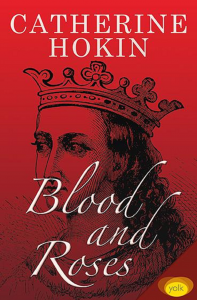
Blood and Roses tells the story of Margaret of Anjou (1430-1482), wife of King Henry VI, and her pivotal role in the Wars of the Roses. As a child, my father ran a war gaming society (in the days when this actually involved a sand table and little soldiers) and the members were obsessed with the Wars of the Roses and the people involved – to the point where I started to think some of the characters were actually still alive. Among all the people they argued about (and they argued a lot), it was Margaret of Anjou who captured my imagination because they loathed her! Then I met her in the Shakespeare version which depicts her almost as a devil – as a contrary teenager, anyone who could engender this much fury (especially among men) was definitely worth my attention. Then at university, as part of my History degree, I wrote a thesis on medieval politics, witchcraft and propaganda and there she was again. She’s an itch I’ve long wanted to scratch!

CHokin- Blood

Do you model any of your characters after people you know? If so, do these people see themselves in your characters?

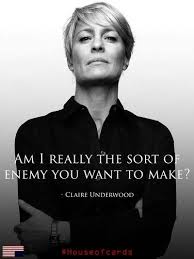
Not people I specifically know although I did draw on character traits from Claire Underwood in House of Cards and Alicia Florrick in The Good Wife who I would say are very modern Margarets. I don’t tend to use people in my life but I do draw on relationships. The dynamic between Margaret and her son Edward is key to the book – particularly from the viewpoint of how to raise a strong boy and then let him go, even if the path he chooses is dangerous. I have a son who was 18 when I was writing this and I really drew on our relationship. He thought that was great till he read the death scene…

claire

What type of research did you have to do for your book?

Detailed research is essential to give novels like this credibility – there are a lot of expert readers out there! So the research was extensive and took nearly 2 years – I read everything I could about the time period and the characters, including non-fiction books by other authors and contemporary chronicles written during/shortly after Margaret’s life. You have to read widely to get the different perspectives and find the gaps in the facts where the story starts to grow. I loved researching the really gory battles (the exploding teeth as a result of head injuries at Towton was fascinating) as much as the food and clothing! But you have to be careful not to overwhelm the reader – a lot of what I read came down to 2 or 3 words in the actual novel. And I can now pretty much calculate any distance in terms of how long it takes a horse to get there!


Henry VI - Part 3, Act 2

Henry VI – Part 3, Act 2

What excites you the most about your book?

Hopefully what has certainly gripped some of the reviewer’s imaginations! There has always been speculation about who was the father of Margaret’s son. Her husband Henry was essentially a monk and Prince Edward was born 8 years into the marriage. There have been candidates out forward but none of them are believable when you consider Margaret’s character – rather like Elizabeth I, I don’t believe she would have been foolish enough to have an affair that would have threatened her power. So, I looked for the gaps in the facts and found something: at a crucial point in the conflict, Margaret’s army was refused entry to London by her supposed friend, Jacquetta Woodville. The betrayal is stated everywhere but not explained – I had my story…

If you were stranded on a desert island with three other people, fictional or real, who would they be and why?

My first instinct was to say Richard Armitage, Tom Hiddleston and Bruce Springsteen but that’s not what I think you mean so…

I would have said Margaret so I could find out if my take on her life is as realistic as I wanted it to be but I think she would be terrifying so I’ll leave her behind. First of all, I need a good cook (I like to eat) so I’m going to choose the fabulous Julia Childs as long as she was played by Meryl Streep (I know that’s a 2 in 1 but it’s my fantasy). I imagine I might be there a long time so I need someone with a wealth of fascinating stories so I’m going to choose my favourite author, Gabriel Garcia Marquez – this hopefully means that I will also finally learn Spanish which I’ve been meaning to do for ages. And finally, I need someone who would add a bit of spice to the whole thing so I’m choosing Adam from my favourite film ‘Only Lovers Left Alive’. He’s a vampire which is a bit of an issue but maybe fish blood will be ok and at least he won’t eat the food stocks, he’s a great musician so there’s the entertainment sorted and he’s played by Tom Hiddleston…

Links:

https://www.catherinehokin.com/

http://catherinehokin.blogspot.co.uk/

https://www.facebook.com/cathokin/

Twitter @cathokin

CHokin

Bio:

Catherine is a Glasgow-based author whose debut novel, Blood and Roses was published in January 2016 by Yolk Publishing. The novel brings a feminist perspective to the story of Margaret of Anjou (1430-1482, wife of Henry VI) and her pivotal role in the Wars of the Roses, exploring the relationship between Margaret and her son and her part in shaping the course of the bloody political rivalry of the fifteenth century. Catherine also writes short stories – she was 3rd prize winner in the 2015 West Sussex Writers Short Story Competition and a finalist in the Scottish Arts Club 2015 Short Story Competition. She regularly blogs as Heroine Chic, casting a historical, and often hysterical, eye over women in history, popular culture and life in general. She is profiled in the March 2016 edition of Writing Magazine. For 2016 she has been awarded a place on the Scottish Book Trust Author Mentoring Programme to develop her second novel. In her spare time she listens to loud music, watches far too many movies and tries to remember to talk to her husband and children.

***

Thank you such a wonderful interview Catherine.

Happy reading everyone,

Jenny x


My First Time: Tom Williams

My new fortnightly blog series, talking about authors first publishing experiences, continues today with a geat interview from historical novelist, Tom Williams.

First Time

My First Time

I can’t remember the first story I ever wrote. For this blog we’re not supposed to include stories we were made to write at school, but I loved writing stories at school. I wrote stories, poems, essays … I wrote anything and everything. I’ve always enjoyed writing.

When I was a teenager I decided I’d like to write short stories for publication. I bought loads of women’s magazines and read them and then tried to write something that would fit their market, but I never cracked it. This was in the days before word processing so I got individually typewritten rejection letters. I remember they were often on very small sheets of paper. Presumably they sent so many of them out that using small sheets meant a real saving.

That was when I started my world-class collection of rejections. I’ve still got a lot of them, hidden in a box in the loft.

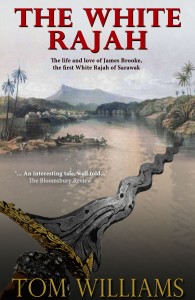
Eventually I grew up (more or less), got a job, got married, and got a life (not necessarily in that order). I’ve always been incredibly jealous of people who can organise their writing round work/marriage/hobbies. I’ve never been able to. I think it’s even harder when, like me, you do a lot of writing in the course of your work. I more or less gave up writing fiction for years but then decided that I would take time out and try and produce the novel I had always dreamt of. It took me almost a year and it attracted the interest of quite a well-known agent who sent me to an editor. I was still very young and had absolutely no idea of how lucky I was to get that far. Instead of persevering, I got increasingly frustrated until the editor suggested that I should rest the book, do something else, and come back to it. I rested it for over twenty years before I decided to have a crack at another novel. When I thought about what I wanted to do, I realised that I could take the story that I had tried to tell all those years ago and twist it round to tell it from another direction. This is the book that eventually became The White Rajah. Yet again, it did find an agent, but, though he sent it to several major publishers all of them politely declined it. It was, they said, a “difficult” first novel. Why not write something more commercial and then tried to sell The White Rajah once I was established?

The White Rajah2

I obediently went off to write something “more commercial” (it eventually became Burke in the Land of Silver) but I was beginning to think that I would be cold in my grave before The White Rajah ever saw publication. Then I saw that a tiny US indie publisher, who specialised in novels for the gay community, was looking for historical works. I had a suspicion that one of the things that made The White Rajah “difficult” was that it featured a love story but also a pronounced absence of any female characters. I decided that a niche indie publisher was probably the way to go so The White Rajah finally saw publication.

[Scrabbles desperately around and finds Jenny’s interview questions. Tries to pull himself back on track.]

What effect did that have on your life?

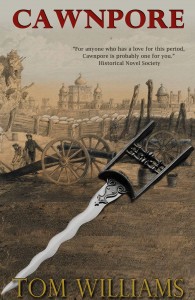
In practical terms, not a lot. I think everybody imagines that their first published book will change their lives, but it’s very rare that it does. It got some nice reviews and enough people bought it for JMS to ask me to produce a sequel so I did. That was Cawnpore. For what it’s worth, I think it’s the better book, but I’m happy to have written both of them.

Cawnpore_edited-1

Does your first published story reflect your current writing style?

Yes and no. I finally took the advice I had been offered years earlier and tried to write something more commercial. So I’ve written three books about a (very) heterosexual spy in the time of Napoleon and am working on a fourth. Apart from the fact that these are historical novels, they have practically nothing in common with the first two books. At the same time I produced another book in the original series, Back Home, which will be published by Accent in April. That’s totally in the style of the first two. It was never originally conceived as a trilogy, but it has worked out very naturally. The three books have different subjects but they are all seen through the eyes of John Williamson. We meet him first as a young man setting out from England for adventures in the Far East and then, in Cawnpore, as an established figure in British colonial administration who sees everything he has worked for being destroyed in the Indian Mutiny. The final book sees him back in England, closing the circle of his life. It’s fair to say that they’re not cheerful, but I honestly think they’re worth a read.

What are you working on at the moment?

Another book about my spy, James Burke. This time he will be fighting in the Peninsular War.

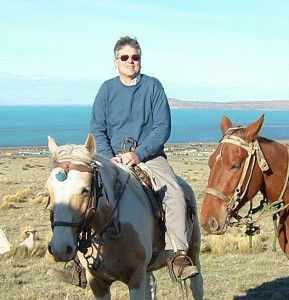
Tom Williams

Bio

Tom Williams used to write about boring things for money. If you wanted an analysis of complaints volumes in legal services or attitudes to diversity at the BBC, then he was your man. Now he writes much more interesting books about historical characters and earns in a year about what he could make in a day back then. (This, unfortunately, is absolutely true.) He also writes a blog (http://thewhiterajah.blogspot.co.uk/) which is widely read all over the world and generates no income at all. Besides making no money from writing, Tom makes no money out of occasionally teaching people to tango and then spends all the money he hasn’t made on going to dance in Argentina.

Please save Tom from himself and buy the bloody books.


Here are links to the published stories about John Williamson.

The White Rajah:  myBook.to/WhiteRajah

Cawnpore: myBook.to/Cawnpore

Back Home will be published in April.

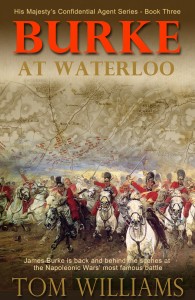
TW1Burke at Waterloo

And here are the stories about James Burke.

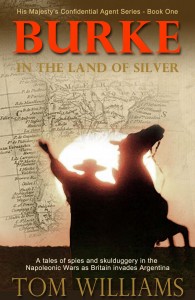
Burke in the Land of Silver: myBook.to/LandofSilver

Burke and the Bedouin: http://mybook.to/Bedouin

Burke at Waterloo: myBook.to/BurkeWaterloo

Burke in the land of silver

Many thanks Tom. Great interview!

Happy reading everyone,

Jenny xx


Interview with Nicola Cornick: House of Shadows

I’m delighted to welcome fellow writer and RNA member, Nicola Cornick, to my site today to answer a few questions about her latest historical romance. So why not take a break, grab a cuppa, and have a read.

coffee and cake

What inspired you to write your book?

The inspiration for House of Shadows came from my love of history and the work I do for the National Trust at Ashdown House, a 17th century hunting lodge with an amazing history. Over the years I have researched so many fascinating aspects of the house and the family who owned it that I knew I had to write a book about it. However the inspiration also came from my own love of reading books with an element of the supernatural in them. I’m intrigued by ghost stories, reincarnation, time slip, magic… I wanted to explore those ideas in a book and House of Shadows was the result!

Do you model any of your characters after people you know? If so, do these people see themselves in your characters?

I think that like a lot of authors I take aspects of the characters of people I know and use them in my writing but I also change a lot of things about the character as well so they are a work of imagination. In House of Shadows there is a character that is based on a very dear friend of mine but only “half” of her. Fran, in the story, is expressive, extrovert and endearingly tactless whereas the friend I modelled her on is very expressive but also discreet and thoughtful.

Whilst researching House of Shadows I was intrigued to discover that no lesser author than Jane Austen had apparently used one of the historical figures I was drawing on as the inspiration for a character in Sense and Sensibility. I think authors are like magpies in that respect. We pick up bits and pieces of inspiration all over the place!

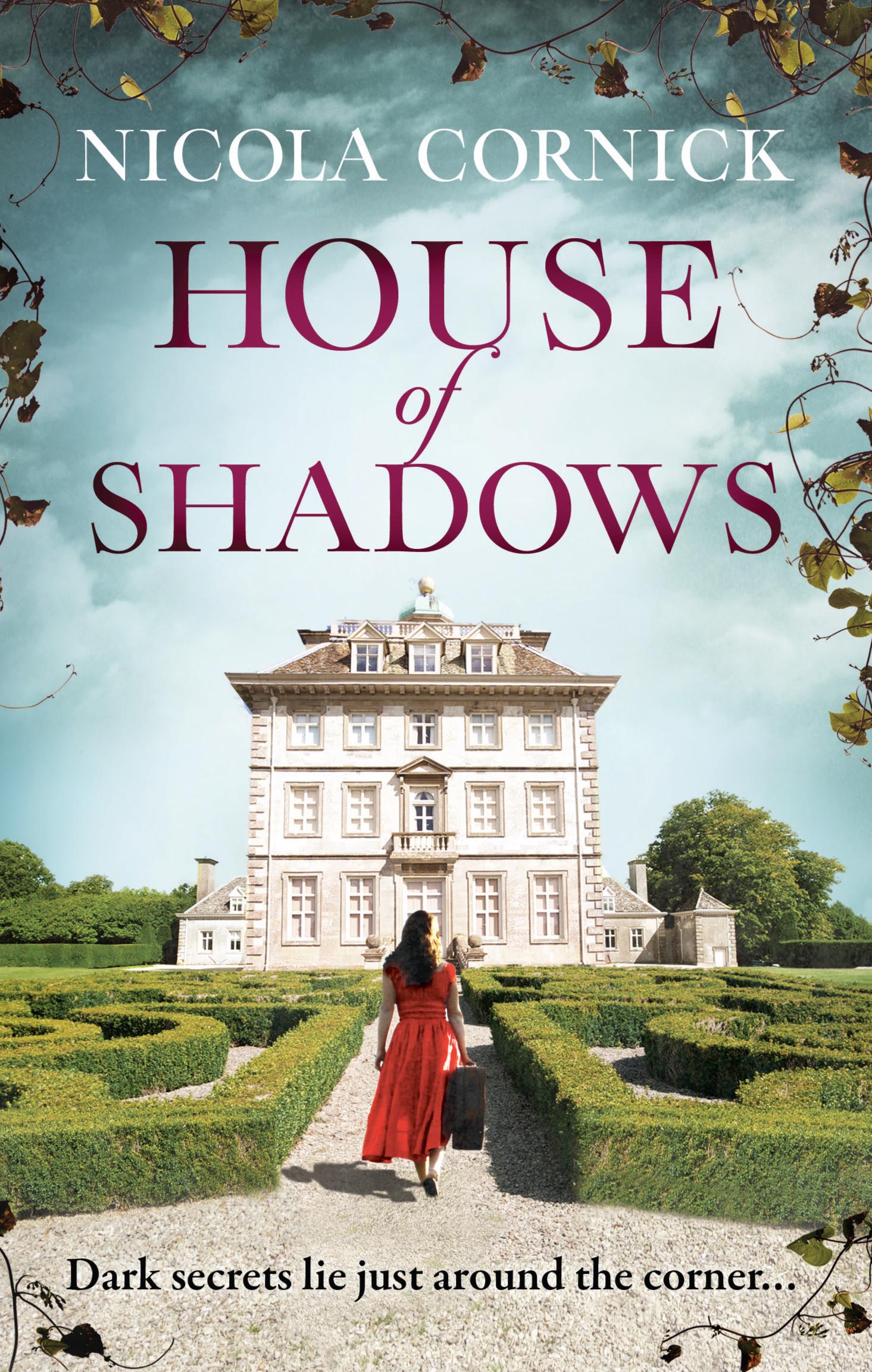
HOUSE OF SHADOWS web

What type of research did you have to do for your book?

I did a lot of research and loved every minute of it! I read a lot of contemporary writing from the 17th century, including Elizabeth of Bohemia’s correspondence and various sets of memoirs that referred to her. I love reading letters because it does give you an insight into the minds of the people who wrote them and feels very personal. I also used a lot of material objects to research the book, especially portraits for the details of things like clothes and jewellery. For the 19th century thread of the story I read about all sorts of things from the lives of courtesans to the work of the Ordnance Survey in mapping England during the Napoleonic Wars!

Which Point of View do you prefer to write in and why?

I’m most accustomed to writing in the third person but for one of the strands in House of Shadows I wrote in the first person and enjoyed it very much. I felt as though I got deeper under the skin of the character – or more closely into their mind. My current manuscript has a dual timeframe and one of those is also in the first person. I’m definitely getting a taste for it! It feels very immediate and real to me.

If you were stranded on a desert island with three other people, fictional or real, who would they be and why?

Ha! Great question! Being stranded on a desert island is a bit different from choosing dinner party guests – I think I’d need people who were resourceful as well as interesting since I’m not very practical myself. I’d go for Florence Nightingale, Prince Rupert of the Rhine and The Frenchman from Daphne Du Maurier’s Frenchman’s Creek!

***

Links

www.nicolacornick.co.uk

https://twitter.com/NicolaCornick

https://www.facebook.com/nicola.cornick/

Nicola Cornic 1

Bio

Nicola Cornick is an international bestselling author of historical romance and historical fiction. She has lived in Oxfordshire for 20 years and draws her inspiration from the myths and history of the local landscape.

Nicola became fascinated with history when she was a child, and spent hours poring over historical novels and watching costume drama. She studied history at university and wrote her master’s thesis on heroes and hero myths. In her spare time she works as a guide in the 17th century hunting lodge, Ashdown House. She also acts as a historical advisor for television and radio.

***

Many thanks for a great interview Nicola,

Happy reading everyone,

Jenny xx


Medieval Crime within a Contemporary Romance: Romancing Robin Hood

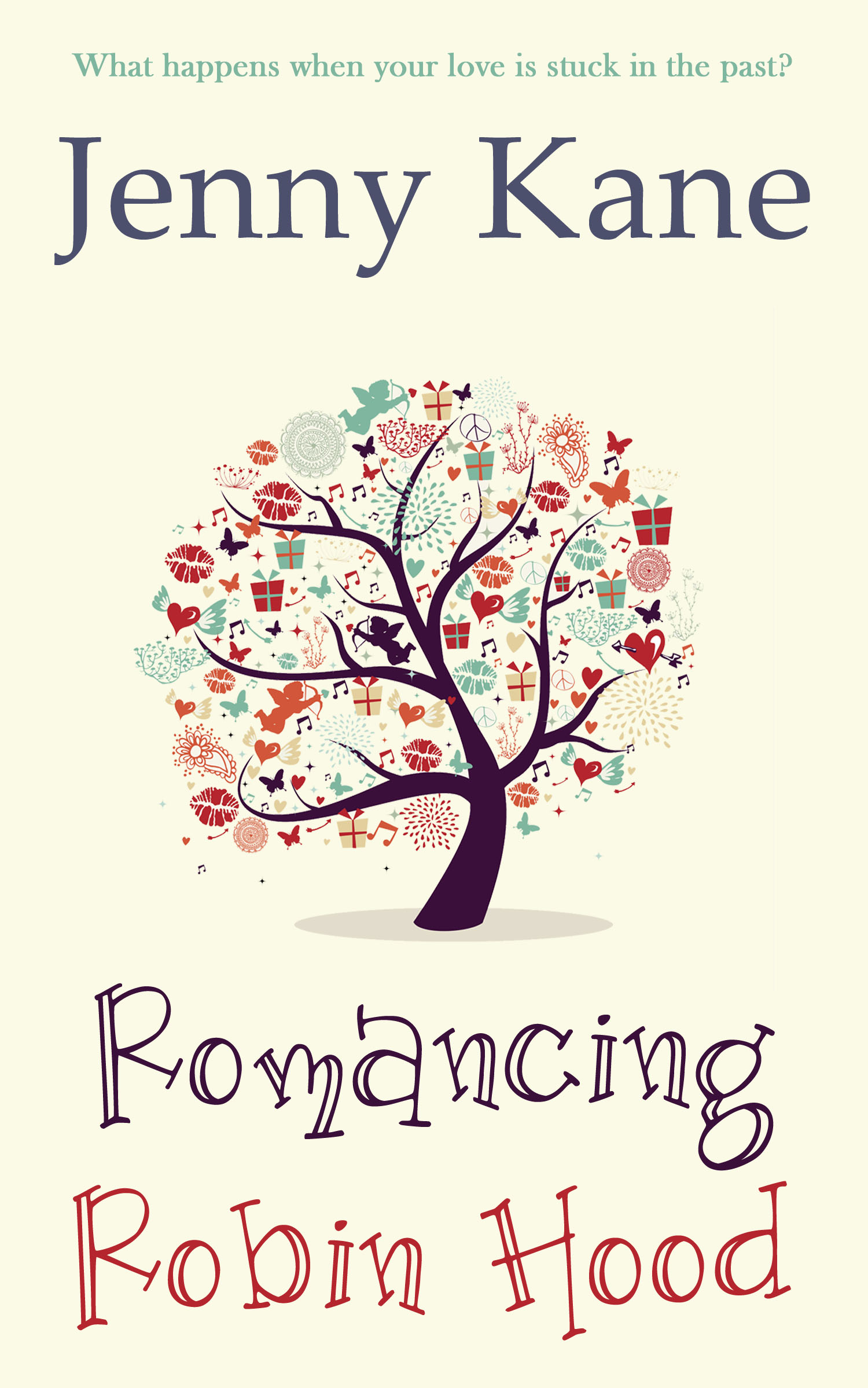
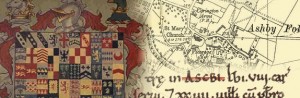
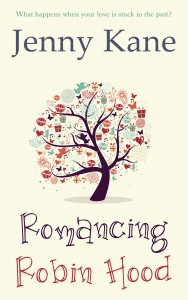
Romancing Robin Hood is a contemporary romance all about history lecturer Dr Grace Harper, who is nuts about Robin Hood and the historical outlaws that may have inspired him. So not only does Romancing Robin Hood tell the story of Grace’s fight to find time for romance in her busy work filled life, it also contains a secondary story about the fourteenth century criminal gang Grace is researching- the Folvilles. This family, based in Ashby-Folville in Leicestershire, were a group I researched in-depth as a student many moons ago.
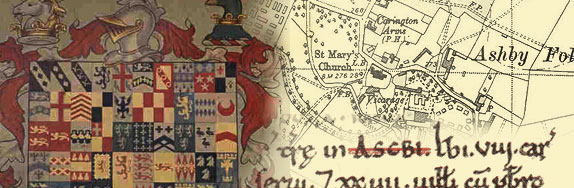
history-of-ashby-folville

In the novella she is writing, Grace’s fourteenth century protagonist Mathilda is getting to know the Folville family rather better than she would have liked. As well as living with them, she suddenly finds herself under a very frightening type of suspicion.

I must confess I’m rather enjoyed weaving this sub plot around the main romance of the modern part of Romancing Robin Hood.

In my last blog I shared a little of the modern side of my time slip novel, Romancing Robin Hood. Today I thought I’d share a little of the medieval side of the tale.
RRH- new 2015

***

Mathilda thought she was used to darkness, but the dim candlelight of the comfortable small room she shared at home with her brothers was nothing like this. The sheer density of this darkness seemed to envelop her, physically gliding over Mathilda’s clammy goose-pimpled skin. This was an extreme blackness that coated her, making her breathless, as if it was stealthfully compressing her lungs and squeezing the life from her.

Unable to see the floor, Mathilda presumed, as she pressed her naked foot against it and damp oozed between her toes, that the suspiciously soft surface she was sat on was moss, which in a room neglected for years had been allowed it to form a cushion on the stone floor. It was a theory backed up by the smell of mould and general filthiness which hung in the air.

Trying not to think about how long she was going to be left in this windowless cell, Mathilda stretched out her arms and bravely felt for the extent of the walls, hoping she wasn’t about to touch something other than cold stone. The child’s voice that lingered at the back of her mind, even though she was a woman of nineteen, was telling her – screaming at her – that there might be bodies in here, still clapped in irons, abandoned and rotting. Mathilda battled the voice down; knowing it that would do her no good at all. Her father had always congratulated Mathilda on her level headedness, and now it was being put to the test. She was determined not to let him down now.

Placing the very tips of her fingers against the wall behind her, she felt her way around. It was wet. Trickles of water had found a way in from somewhere, giving the walls the same slimy covering as the floor. Mathilda traced the outline of the rough stone wall, keeping her feet exactly where they were. In seconds her fingers came to a corner, and twisting at the waist, she managed to plot her prison from one side of the heavy wooden door to the other, without doing more than extending the span of her arms.

Mathilda decided the room could be no more than five feet square, although it must be about six foot tall. Her own five-foot frame had stumbled down a step when she’d been pushed into the cell, and her head was at least a foot clear of the ceiling. The bleak eerie silence was eating away at her determination to be brave, and the cold brought her suppressed fear to the fore. Suddenly the shivering Mathilda had stoically ignored overtook her, and there was nothing she could do but let it invade her small slim body.

Wrapping her thin arms around her chest, she pulled up her hood, hugged her grey woollen surcoat tighter about her shoulders, and sent an unspoken prayer of thanks up to Our Lady for the fact that her legs were covered.

She’d been helping her two brothers, Matthew and Oswin, to catch fish in the deeper water beyond the second of Twyford’s fords when the men had come. Mathilda had been wearing an old pair of Matthew’s hose, although no stockings or shoes. She thought of her warm footwear, discarded earlier with such merry abandon. A forgotten, neglected pile on the river bank; thrown haphazardly beneath a tree in her eagerness to get them off and join the boys in their work. It was one of the only tasks their father gave them that could have been considered fun.

Mathilda closed her eyes, angry as the tears she’d forbidden herself to shed defied her stubborn will and came anyway. With them came weariness. It consumed her, forcing her to sink onto the rotten floor. Water dripped into her long, lank red hair. The tussle of capture had loosened its neatly woven plait, and now it hung awkwardly, half in and half out of its bindings, like a badly strapped sheaf of strawberry corn.

She tried not to start blaming her father, but it was difficult not to. Why hadn’t he told her he’d borrowed money from the Folvilles? It was an insane thing to do. Only the most desperate … Mathilda stopped her thoughts in their tracks. They were disloyal and pointless…

…Does Mathilda seem miserable and scared enough? Grace wasn’t sure she’d laid the horror of the situation on thick enough. On the other hand, she didn’t want to drown her potential readers in suffering-related adjectives.

No, on reflection it was fine; certainly good enough to leave and come back to on the next read through. She glanced at the clock at the corner of the computer screen. How the hell had it got to eight thirty already? Grace’s stomach rumbled, making her think of poor Mathilda in her solitary prison.

Switching off her computer, Grace crammed all her notes into her bag so she could read over them at home, and headed out of her office. Walking down the Queen’s Road, which led from the university to her small home in Leicester’s Clarendon Park region, Grace decided it was way too hot, even at this time of the evening, to stand in the kitchen and attempt, and probably fail, to cook something edible, so she’d grab a takeaway.

Grateful it wasn’t term time, so she didn’t have to endure the banter of the students who were also waiting for associated plastic boxes of Chinese food, Grace speedily walked home, and without bothering to transfer her chicken chow mein to another dish, grabbed a fork, kicked off her shoes, and settled herself down with her manuscript…

***

Romancing Robin Hood – Blurb.

Dr Grace Harper has loved the stories of Robin Hood ever since she first saw them on TV as a girl. Now, with her fortieth birthday just around the corner, she’s a successful academic in Medieval History, with a tenured position at a top university.

But Grace is in a bit of a rut. She’s supposed to be writing a textbook on a real-life medieval gang of high-class criminals – the Folvilles – but she keeps being drawn into the world of the novel she’s secretly writing – a novel which entwines the Folvilles with her long-time love of Robin Hood – and a feisty young girl named Mathilda, who is the key to a medieval mystery…

Meanwhile, Grace’s best friend Daisy – who’s as keen on animals as Grace is on the Merry Men – is unexpectedly getting married, and a reluctant Grace is press-ganged into being her bridesmaid. As Grace sees Daisy’s new-found happiness, she starts to re-evaluate her own life. Is her devotion to a man who may or may not have lived hundreds of years ago really a substitute for a real-life hero of her own? It doesn’t get any easier when she meets Dr Robert Franks – a rival academic who Grace is determined to dislike but finds herself being increasingly drawn to…

***

Buy Links

Available in e-format and paperback.

Amazon UK- http://www.amazon.co.uk/Romancing-Robin-Hood-Jenny-Kane-ebook/dp/B00M4838S2/ref=sr_1_1?ie=UTF8&qid=1407428558&sr=8-1&keywords=romancing+robin+hood

Amazon.com- http://www.amazon.co.uk/Romancing-Robin-Hood-Jenny-Kane-ebook/dp/B00M4838S2/ref=sr_1_1?ie=UTF8&qid=1407428558&sr=8-1&keywords=romancing+robin+hood

Kobo link – http://store.kobobooks.com/en-US/ebook/romancing-robin-hood

Nook link- http://www.barnesandnoble.com/w/romancing-robin-hood-jenny-kane/1121088562?ean=9781783754267

***

Happy reading everyone!

Jenny Kane xx
Robin of Sherwood Dreaming: Romancing Robin Hood

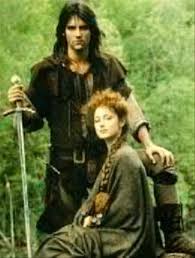
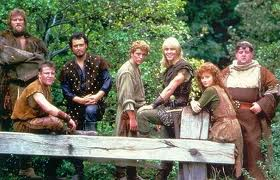
Last night I enjoyed a rare moment of pure television indulgence- I watched the first two episodes of  wonderful 1980’s television series, Robin of Sherwood with my teenage daughters. They bore up remarkably well with me pretty much quoting every line spoken before it came out the actor’s mouths!

RH- Michael and Judi

Ever since I was a teenager I’ve had a serious outlaw obsession- all thanks to Robin of Sherwood. The moment I saw the first episode I was hooked- not just on the show, but on anything and everything to do with the legend. I watched every film and read every book on the subject of Robin Hood I could find. This interest lasted through my GCSE years, took me through an A’ level history project, a degree, and a PhD in Medieval ballad literature and crime!

For the past twenty years I’ve been looking for an excuse to go back through my old books- and with the writing of my latest novel, I found it. Although Romancing Robin Hood is 60% modern contemporary romance, the remaining 40% is a fourteenth century adventure. It was a real joy to read through all my old Robin Hood notes and relive the obsessions of my formative years.

Romancing Robin Hood – Blurb

Dr Grace Harper has loved the stories of Robin Hood ever since she first saw them on TV as a girl. Now, with her fortieth birthday just around the corner, she’s a successful academic in Medieval History, with a tenured position at a top university.

But Grace is in a bit of a rut. She’s supposed to be writing a textbook on a real-life medieval gang of high-class criminals – the Folvilles – but she keeps being drawn into the world of the novel she’s secretly writing – a novel which entwines the Folvilles with her long-time love of Robin Hood – and a feisty young girl named Mathilda, who is the key to a medieval mystery…

Meanwhile, Grace’s best friend Daisy – who’s as keen on animals as Grace is on the Merry Men – is unexpectedly getting married, and a reluctant Grace is press-ganged into being her bridesmaid. As Grace sees Daisy’s new-found happiness, she starts to re-evaluate her own life. Is her devotion to a man who may or may not have lived hundreds of years ago really a substitute for a real-life hero of her own? It doesn’t get any easier when she meets Dr Robert Franks – a rival academic who Grace is determined to dislike but finds herself being increasingly drawn to…

RRH- new 2015


Here’s an extract from the modern part of the story to whet the appetite…

It was all Jason Connery’s fault, or maybe it was Michael Praed’s? As she crashed onto her worn leather desk chair Grace, after two decades of indecision, still couldn’t decide which of the two actors she preferred in the title role of Robin of Sherwood.

That was how it had all started, ‘The Robin Hood Thing’ as Daisy referred to it, with an instant and unremitting love for a television show. Yet, for Grace, it hadn’t been a crush in the usual way. She had only watched one episode of the hit eighties series and, with the haunting theme tune from Clannad echoing in her ears, had run upstairs to her piggy bank to see how much money she’d saved, and how much more cash she’d need, before she could spend all her pocket money on the complete video collection. After that, the young Grace had done every odd job her parents would pay her for so she could purchase a myriad of Connery and Praed posters with which to bedeck her room. But that was just the beginning. Within weeks Grace had become pathologically and forensically interested in anything and everything to do with the outlaw legend as a whole.

She’d watched all the Robin Hood films, vintage scenes of Douglas Fairbanks Jr and Errol Flynn, Richard Greene, Sean Connery, and Barry Ingram. As time passed, she winced and cringed her way through Kevin Costner’s comical but endearing attempt, and privately applauded Patrick Bergin’s darker and infinitely more realistic approach to the tale. Daisy had quickly learnt to never ever mention Russell Crowe’s adaption of the story – it was the only time she’d ever heard Grace swear using words that could have been as labelled as Technicolor as the movie had been.

RH- RoS 2

The teenage Grace had read every story, every ballad, and every academic book, paper, and report on the subject. She’d hoarded pictures, paintings, badges, and stickers, along with anything and everything else she could find connected with Robin Hood, his band of outlaws, his enemies, Nottingham, Sherwood, Barnsdale, Yorkshire – and so it went on and on. The collection, now over twenty years in the making, had reached ridiculous proportions and had long since overflowed from her small terraced home to her university office, where posters lined the walls, and books about the legend, both serious and comical, crammed the overstuffed shelves.

Her undergraduates who’d chosen to study medieval economy and crime as a history degree option, and her postgraduates whose interest in the intricate weavings of English medieval society was almost as insane as her own, often commented on how much they liked Dr Harper’s office. Apparently it was akin to sitting in a mad museum of medievalism. Sometimes Grace was pleased with this reaction. Other times it filled her with depression, for that office, its contents, and the daily, non-stop flow of work was her life – her whole life – and sometimes she felt that it was sucking her dry. Leaving literally no time for anything else – nor anyone else. Boyfriends had come and gone, but few had any hope of matching up to the figure she’d fallen in love with as a teenager. A man who is quite literally a legend is a hard act to follow…

***

Buy links (Available in all e-formats and paperback)

Amazon UK- http://www.amazon.co.uk/Romancing-Robin-Hood-Jenny-Kane-ebook/dp/B00M4838S2/ref=sr_1_1?ie=UTF8&qid=1407428558&sr=8-1&keywords=romancing+robin+hood

Amazon.com- http://www.amazon.co.uk/Romancing-Robin-Hood-Jenny-Kane-ebook/dp/B00M4838S2/ref=sr_1_1?ie=UTF8&qid=1407428558&sr=8-1&keywords=romancing+robin+hood

Nook- http://www.barnesandnoble.com/w/romancing-robin-hood-jenny-kane/1121088562?ean=9781783754267

Kobo- http://store.kobobooks.com/en-US/ebook/romancing-robin-hood

***

I hope you enjoyed that little extract from my time slip novel.

Happy reading

Jenny

xxx


Guest Post by Tom Williams: “Oh I Never Read Historical Novels…”

I have an excellent blog for you today from my fellow Accent author, Tom Williams.

Over to you Tom…

I write historical novels. So, I hate it when people say “Oh, I never read Historical Novels.” Why not? “Because they are all too romantic.” But I don’t write Historical Romance. No matter: the conversation has moved on.

Or perhaps they don’t read Historical Novels because they’re not interested in the Tudors, or knights in armour? But my stories are set in the 19th century. It makes no difference: they don’t read Historical Novels and that’s that.

TW1

It’s annoying, but don’t we all have these gaps in our reading experience? For me, it’s Historical Romance. I can’t face it. I’ve tried – I’ve really tried, but I just can’t make it through to the end. She notices his well-turned calf, the sweat glistens on the muscles of his arm or her heart beats at the thought of his tender yet manly kiss and I give in and read no further. And the awful thing is that the author may not even have used any of these clichés, but there’s something about this particular genre that has me imagining them whether or not they are there on page. I admitted this in public and was taken to task by a Historical Romance writer who pointed out that her stories are well researched, nicely written and featured often quite complex characters in interesting social situations. She was right and I’m wrong. I am going to give her books another go, but I suspect that, once again, I will give up.

Why do we all have genres that we just don’t read? The obvious suggestion is that it has something to do with “books for men” and “books for women”. In my case, though, this is far from being the case – I love contemporary Chick Lit. I’ve even been known to tackle a book by that Jenny Kane. Perhaps it’s the background to the stories? But I write historical novels myself and I read other people’s historical novels set in all sorts of periods. So why this mental block with Historical Romance?

The problem does seem to be with the genre and not the book. This is particularly clear with people who sniffily announce that they would never read, for example, Harry Potter because “I don’t read books for children.” Publishers responded by putting an “adult” cover on the Harry Potter series and, lo and behold! adults were suddenly happy to read them. The same result can be achieved more subtly: my wife, for example, doesn’t read Science Fiction, unless “it’s someone like Ursula Le Guin, who’s writing really good books – not really just Science Fiction.” Well, yes, Lord Copper – up to a point. What, I think, the most honest of us will eventually decide is that if the book is a “good” book but placed in a genre that we don’t read, will simply reclassify it. So Bridget Jones is not Chick Lit, it’s Social Comedy; John Grisham doesn’t write rubbishy Crime Stories, he writes the altogether superior Legal Thrillers.

Part of the reason that we are so strict about what genres we will and won’t allow ourselves to enjoy is, I think, that the books that we will admit to reading – proudly displayed on our bookshelves, unlike that rubbishy thing consigned to the bedside table – say something about us. In a world where mass entertainment is, arguably, increasingly democratised, books are still one of the great class markers. I have a friend who runs an online group where people can discuss their reading matter. Apparently all these people read massively more James Joyce, Chekhov,  Peter Ackroyd, HE Bates, Guy De Maupassant, and Albert Camus than they do Agatha Christie or Dan Brown. (I swear I’m not making this up and nor are members of the group all graduates from an English Department.) Admitting to liking a particular genre makes you a member of a particular club. The genre is far more important than the book. We see the same applied to individual writers. “Oh Dickens is such a wonderful author.” Well, many of his books certainly are fine examples of English literature. It doesn’t take a particularly critical reader, though, to see that some of them are definitely better than others. But to explain that you consider this or that book to be deserving of critical approval and another one to show signs of having been written to a deadline on a bad day, calls for more discussion and analysis than we can tolerate when deciding whether people do or don’t fit into our social group. What we want in social markers is a straightforward way of deciding whether we are in or out of the Magic Circle of social acceptability.

As an author, Jenny provides an interesting (and surprisingly common) example of the importance of keeping our genres separate. Jenny Kane writes Contemporary Romance – Chick Lit if you will – where we follow a young woman through the unfolding of her relationship until we reach, hopefully, a happy conclusion. But Jenny has a dark side. She also writes about young women whose romantic journey is accompanied by whips and chains and practices that we do not discuss in polite society. So important is it to keep these two genres completely separate that she produces the more lively novels under a different name. Mills and Boon, faced with the same problem, put their – actually rather well-written – erotica under a completely different imprint. After all, when my maiden aunt tells me that she really enjoys Mills and Boon, it’s important that I know exactly what sort of Mills and Boon she is into.

I suspect, then, that this is at least part of the answer of why we will respond warmly to some genres and reject others out of hand. Like so many things in England, it’s a matter of class. And now I am aware of that, I hope that I will try to restrain my prejudices. If I’m faced with a Historical Romance in which credible characters form realistic relationships against an authentic historical background, I will persevere. I might even come to love it. Perhaps we should all try to read things outside the genres that we are comfortable to say that we like. Reading, after all, should be about broadening the mind. So let’s try to broaden our own minds.

Perhaps I should try something by that Kay Jaybee

***

Tom Williams

Bio:

Have you ever noticed how many authors are described as ‘reclusive’? I have a lot of sympathy for them. My feeling is that authors generally like to hide at home with their laptops or their quill pens and write stuff. If they enjoyed being in the public eye, they’d be stand-up comics or pop stars. Nowadays, though, writers are told that their audiences want to be able to relate to them as people. I’m not entirely sure about that. If you knew me, you might not want to relate to me at all. But here in hyperspace I apparently have to tell you that I’m young and good looking and live somewhere exciting with a beautiful partner, a son who is a brain surgeon and a daughter who is a swimwear model. Then you’ll buy my book.

Unfortunately, that’s not quite true. I’m older than you can possibly imagine. (Certainly older than I ever imagined until I suddenly woke up and realised that age had snuck up on me.) I live in Richmond, which is nice and on the outskirts of London which is a truly amazing city to live in. My wife is beautiful but, more importantly, she’s a lawyer, which is handy because a household with a writer in it always needs someone who can earn decent money. My son has left home and we never got round to the daughter.

I street skate and ski and can dance a mean Argentine tango. I’ve spent a lot of my life writing about very dull things for money (unless you’re in Customer Care, in which case ‘Dealing With Customer Complaints’ is really, really interesting). Now I’m writing for fun. If you all buy my books, I’ll be able to finish the next ones and I’ll never have to work for the insurance industry again and that will be a good thing, yes? So you’ll not only get to read a brilliant novel but your karmic balance will move rapidly into credit.

Can I go back to being reclusive now?

***

Many thanks Tom- what a fantastic blog! If you do try some of that Jaybees work, make sure you have a cool drink to hand…

You can find Tom’s latest novel, here-

http://www.amazon.co.uk/Burke-Bedouin-Majestys-Confidential-Agent-ebook/dp/B00OIYY8U2  http://www.amazon.com/Burke-Bedouin-Majestys-Confidential-Agent-ebook/dp/B00OIYY8U2.

Happy reading,

Jenny xx

Release Blitz: Tempting Will McGlashen by Liz Everly

Tempting Will McGlashen by Liz Everly (@Lizeverly1)

Tempting Will McGlashen by Liz Everly

Blurb:

Mathilde Miller wanted to be a good daughter and marry the son of a long-time family friend, Joshua Bowman. But she didn’t want to be the wife of a Pennsylvania farmer. She loved her life, cooking on the Virginia frontier at her family’s ordinary. The minute blacksmith Will McGlashen walks into her kitchen, her restlessness focused on him. Fresh from Scotland, with a voice “like a song” and thick coppery hair, her heart belonged to him. Was it possible for the daughter of a Pennsylvania German to marry a hired man from Scotland? What did she really know about Will McGlashen and his secret past?

Will McGlashen needed to keep his own counsel. A man with a past full of violence and loss in Scotland, he was grateful for this chance to rebuild his life as a blacksmith in Virginia. He’d have to ignore the undeniable pull he felt toward his boss’s eldest daughter. When Joshua Bowman showed up and claimed her, instead of providing resolution for will, it burns like the fire he wields in his blacksmith shop. As events unfold, Will wonders if the signs she’s sending him are all in his head and prays that he has the strength not to find out.

The story is set in the Virginia frontier in 1765, a time when Native Americans still lurked in the hills, bandits and robbers were handed swift justice, and enterprising men and their families attempted to live in and tame the wild western edge of the new colonies. An ordinary offering good food, a bed, and company for travellers along the way was a much welcomed respite. Mathilde and Will’s story is woven into the history, adventure, and danger of the time period.


Get your copy here:

http://www.amazon.com/gp/product/B00OBT8WBA/ref=as_li_tl?ie=UTF8&camp=1789&creative=390957&creativeASIN=B00OBT8WBA&linkCode=as2&tag=lucyfelt-20&linkId=WS3YFHCPFAFGT7JN

http://www.amazon.co.uk/gp/product/B00OBT8WBA/ref=as_li_tl?ie=UTF8&camp=1634&creative=19450&creativeASIN=B00OBT8WBA&linkCode=as2&tag=lucyfelthouse-21&linkId=BPSBGEWMXLCVKBRR

https://www.smashwords.com/books/view/483617?ref=cw1985

https://itunes.apple.com/us/book/tempting-will-mcglashen/id928305202

http://store.kobobooks.com/en-US/ebook/tempting-will-mcglashen

http://www.barnesandnoble.com/w/tempting-will-mcglashen-liz-everly/1120527011

Author Bio:

Liz Everly writes, plays, and cooks in a tiny house with a big garden. She writes under a pen name to escape expectations and to embrace all possibilities. She’s the author of the SAFFRON NIGHTS SERIES (e-Kensington), the EIGHT LAYS AROUND THE WORLD serial, and a contributor in THE LADY SMUT BOOK OF DARK DESIRES. She also writes regional bestselling cookbooks and Agatha-award nominated traditional mysteries under her own name. On any given day, you may find her researching murder, sex, or cooking techniques. She’d not have it any other way.

http://www.lizeverly.com

http://www.ladysmut.com

http://www.twitter.com/Lizeverly1

***

Happy reading,

Jenny xx


Guest Post with Tom Williams: Spying James Burke

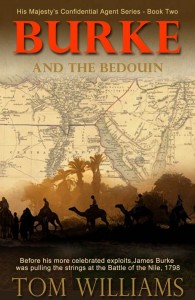
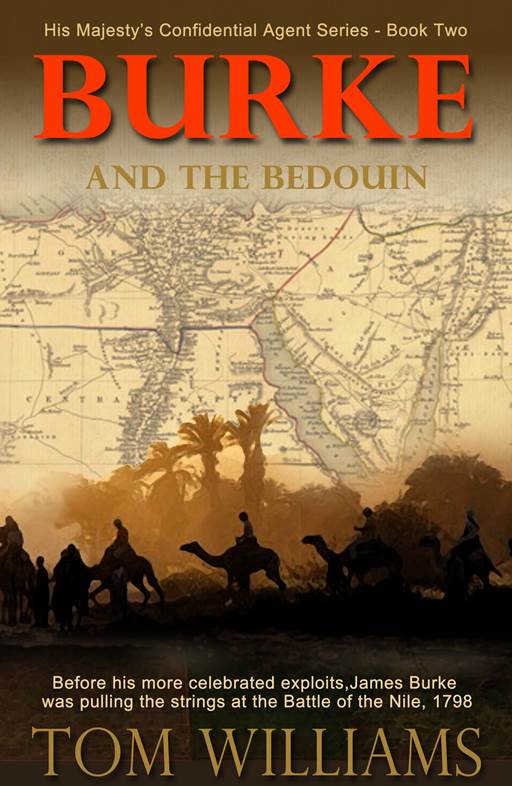
I’m pleased to welcome Tom Williams back to my site today to talk about his brand new novel. This is the second historical adventure novel to feature the Eighteenth Century British spy, James Burke- Burke and the Bedouin.

Over to you Tom…

Over a century and a half before there was James Bond, there was James Burke. The British Secret Service has been around for a long time. Many people date the start of an organised intelligence service to the reign of the first Elizabeth, though spies and spying will have been around much longer than that. By the time of the Napoleonic Wars, Britain took spying very seriously. James Burke was a real person. He was an army officer, who had started his military career fighting for the French, which was perfectly acceptable before Britain and France were at war. Moving to the British Army in 1793, he spent most of his career from then on engaged in espionage. We know that he spied in Argentina, and his activities there are the basis of my first Burke book, Burke in the Land of Silver. The events there (where he seduces a princess, a queen, and the mistress of a Viceroy) are, amazingly enough, closely based on fact. For his second outing, though, I’ve allowed my imagination free range. In 1798, Napoleon invaded Egypt. The French love to write about their wartime exploits, so we have a lot of detail of the invasion by people who were there. This provides the factual background to a wholly invented tale with an evil villain, a damsel in distress, moonlight rides across the desert, and ambushes and dirty deeds. It’s a lot of fun and you will learn something about history as well – including the Battle of the Nile, one of the greatest British naval victories. It’s up there with Trafalgar really, though not a lot of people seem to know about it these days.

Blurb

1798. James Burke, British spy, is in Egypt. His task: to investigate the rumour that Napoleon is planning an invasion.  It turns out that the French are coming and Burke is too late to stop them. Undeterred, he works with the Bedouin to delay Napoleon’s soldiers while trying to get word to the British Navy so that they can destroy the French fleet. He’s got enough on his plate without protecting Bernadita, the Spanish slave he rescues from her cruel master – but Burke can’t leave a damsel in distress, even with hired killers on his trail …  Set against a meticulously researched background of the Napoleonic Wars, Burke’s adventures reach a dramatic climax at one of Britain’s greatest naval victories, the Battle of the Nile.

TW1

Currently available in Kindle at http://www.amazon.co.uk/Burke-Bedouin-Majestys-Confidential-Agent-ebook/dp/B00OIYY8U2 or (if you’re an American) http://www.amazon.com/Burke-Bedouin-Majestys-Confidential-Agent-ebook/dp/B00OIYY8U2. The paperback will be along soon.

Bio:

 Have you ever noticed how many authors are described as ‘reclusive’? I have a lot of sympathy for them. My feeling is that authors generally like to hide at home with their laptops or their quill pens and write stuff. If they enjoyed being in the public eye, they’d be stand-up comics or pop stars. Nowadays, though, writers are told that their audiences want to be able to relate to them as people. I’m not entirely sure about that. If you knew me, you might not want to relate to me at all. But here in hyperspace I apparently have to tell you that I’m young and good looking and live somewhere exciting with a beautiful partner, a son who is a brain surgeon and a daughter who is a swimwear model. Then you’ll buy my book.

Unfortunately, that’s not quite true. I’m older than you can possibly imagine. (Certainly older than I ever imagined until I suddenly woke up and realised that age had snuck up on me.) I live in Richmond, which is nice and on the outskirts of London which is a truly amazing city to live in. My wife is beautiful but, more importantly, she’s a lawyer, which is handy because a household with a writer in it always needs someone who can earn decent money. My son has left home and we never got round to the daughter.

I street skate and ski and can dance a mean Argentine tango. I’ve spent a lot of my life writing about very dull things for money (unless you’re in Customer Care, in which case ‘Dealing With Customer Complaints’ is really, really interesting). Now I’m writing for fun. If you all buy my books, I’ll be able to finish the next ones and I’ll never have to work for the insurance industry again and that will be a good thing, yes? So you’ll not only get to read a brilliant novel but your karmic balance will move rapidly into credit.

Can I go back to being reclusive now?

TW2

****

Thanks Tom! You can go and hide again now!!

Happy reading,

Jenny x

Romancing Robin Hood- OUT NOW in Paperback!

Following hot on the heels of its eBook release, I’m proud to be able to announce that my new novel, Romancing Robin Hood is now available in paperback on Amazon, and all good online paperback retailer!!

RRH paperback

Romancing Robin Hood – Blurb

Dr Grace Harper has loved the stories of Robin Hood ever since she first saw them on TV as a girl. Now, with her fortieth birthday just around the corner, she’s a successful academic in Medieval History, with a tenured position at a top university.

But Grace is in a bit of a rut. She’s supposed to be writing a textbook on a real-life medieval gang of high-class criminals – the Folvilles – but she keeps being drawn into the world of the novel she’s secretly writing – a novel which entwines the Folvilles with her long-time love of Robin Hood – and a feisty young girl named Mathilda, who is the key to a medieval mystery…

Meanwhile, Grace’s best friend Daisy – who’s as keen on animals as Grace is on the Merry Men – is unexpectedly getting married, and a reluctant Grace is press-ganged into being her bridesmaid. As Grace sees Daisy’s new-found happiness, she starts to re-evaluate her own life. Is her devotion to a man who may or may not have lived hundreds of years ago really a substitute for a real-life hero of her own? It doesn’t get any easier when she meets Dr Robert Franks – a rival academic who Grace is determined to dislike but finds herself being increasingly drawn to…

Buy Links

Amazon UK  Paperback

Amazon UK Ebook

Amazon.com Paperback

Amazon.com Ebook


Happy reading,

Jenny xxx


Meet My Main Character: Guest Blog from Tom Williams

I’m delighted to welcome Tom Williams back to my site.

Today, Tom is sharing his contribution to the continuing series called, “Meet My Main Character,” the brain child of Debra Brown (http://englishepochs.blogspot.com/2014/04/meet-my-main-character-by-debra-brown.html) who is the Administrator of English Historical Fiction Authors, a really worthwhile website for anyone interested in obscure bits of British history.

 HMCA- Tom Williams

1) What is the name of your character? Is he fictional or a historic person? James Burke was a spy for the British during the Napoleonic Wars. He was a real person and the story is based around real events in his life. That said, he was a very good spy, so there’s a lot we don’t know about him. This means that I get the chance to tell a good story without too much fear of being told I’m definitely wrong.

2) When and where is the story set? It starts in Saint-Domingue (now Haiti) in 1792, but the story pivots on the British invasion of Buenos Aires in 1806. It takes in Spain and Brazil as well, though. People in those days travelled around much more than most of us realise.

3) What should we know about him? James’ father is an impoverished gentleman in Ireland, living off the rents of tenant farmers. Although this gives him the status of ‘gentleman’, there is no money to enable him to live the lifestyle that James wants. James is desperate to get away from Ireland and make a success of himself in Society. He decides his best bet is to join the army but, to his horror, he finds himself caught in intelligence work. He’s a snob and a social climber and hates being a spy, but he’s good at the work. He’s also never slow to take advantage of any opportunities to make money or influential friends that may come his way in his adventures.

4) What is the main conflict? What messes up his life? He realises that there are more important things than personal advancement and he risks a lot for a cause he has come to believe in. More immediately, people keep threatening to kill him.

5) What is the personal goal of the character?

He starts out by wanting to make a lot of money and move in the highest levels of Society. On a day-to-day level, he cares about completing his mission for Britain and surviving in the conflicts between England, Spain, France, and South American rebels. Later, he gets caught up in the politics of South American independence and realises that there is more to life than his personal advancement. Unsurprisingly, there’s a girl involved.

6) Is there a title for this novel, and can we read more about it? It’s called His Majesty’s Confidential Agent. There’s more about it HERE [http://www.amazon.com/Majestys-Confidential-Agent-James-Burke-ebook/dp/B00JZZS5JY]. There’s a sequel on the way, provisionally called Burke in Egypt. Yes, he gets around!

7) When can we expect the book to be published?

It was published by Accent Press at the beginning of May. Burke in Egypt should be published later this year.

****

Many thanks Tom If you enjoyed that, then the next ‘Meet My Main Character’ post will be by Jane Pollard [LINK: http://www.janejackson.net/] in two days’ time (on Wednesday).

****

More information can be found about Tom and his work at his blog site- http://thewhiterajah.blogspot.co.uk/

Here’s a sneaky peek of Tom’s next novel cover- out on 10th July!!

The White Rajah2

Buy links –

His Majesty’s Confidential Agent
UK paperback: http://www.amazon.co.uk/Majestys-Confidential-Agent-James-Burke/dp/1783754214
UK Kindle: http://www.amazon.co.uk/Majestys-Confidential-Agent-James-Burke-ebook/dp/B00JZZS5JY
US paperback: http://www.amazon.com/Majestys-Confidential-Agent-James-Burke/dp/1783754214
US Kindle: http://www.amazon.com/Majestys-Confidential-Agent-James-Burke-ebook/dp/B00JZZS5JY

The White Rajah
This isn’t officially published until 10 July, so there are no paperback copies available as yet. Kindle links are:
UK Kindle: http://www.amazon.co.uk/White-Rajah-Williamson-Papers-ebook/dp/B00KX9N2AS
US Kindle: http://www.amazon.com/White-Rajah-Williamson-Papers-ebook/dp/B00KX9N2AS

****

Happy reading,

Jenny xx

Page 7 of 8

Powered by WordPress & Theme by Anders Norén