Jenny Kane: Coffee, cupcakes, chocolate and contemporary fiction / Jennifer Ash: Medieval crime with hints of Ellis Peters and Robin Hood

Tag: writing Page 18 of 27

COMING SOON! Christmas at the Castle

In only 7 days, on the 14th November, the latest in my Another Cup of Coffee series will be available as a Kindle download!

Christmas at the Castle

Christmas at the Castle is a seasonal treat from Jenny Kane, featuring much-loved characters from her bestselling novel Another Cup of Coffee.

When hotshot businesswoman Alice Warren is asked to organise a literary festival at beautiful Crathes Castle in Scotland, her ‘work mode’ persona means she can’t say no – even though the person asking is her ex, Cameron Hunter.

Alice broke Cameron’s heart and feels she owes him one – but her best friend Charlie isn’t going to like it. Charlie – aka famous author Erin Spence – is happy to help Alice with the festival…until she finds out that Cameron’s involved! Charlie suffered a bad case of unrequited love for Cameron, and she can’t bear the thought of seeing him again.

Caught between her own insecurities and loyalty to her friend, Charlie gets fellow author Kit Lambert to take her place. Agreeing to leave her London comfort zone – and her favourite corner in Pickwicks Café – Kit steps in. She quickly finds herself not just helping out, but hosting a major literary event, while also trying to play fairy godmother – a task which quickly gets very complicated indeed…

***

Christmas at the Castle is already available for pre-order

Pre-order for Amazon UK

http://www.amazon.co.uk/Christmas-at-Castle-Jenny-Kane-ebook/dp/B015J87DTI/ref=sr_1_2?s=digital-text&ie=UTF8&qid=1442588560&sr=1-2&keywords=christmas+at+the+castle

Pre-order for Amazon US

http://www.amazon.com/Christmas-at-Castle-Jenny-Kane-ebook/dp/B015J87DTI/ref=sr_1_1?s=digital-text&ie=UTF8&qid=1442603723&sr=1-1&keywords=christmas+at+the+castle

***

Happy festive reading everyone!

Jenny x

Guest Post from Marsali Taylor: Sailing Through

I’m delighted to welcome fellow Accent Press author, Marsali Taylor, to my blog today. This is a truly excellent blog, so put those feet up and enjoy!

Over to you Marsali…

I was going to write a nice authorly blog taking you through my writer’s day. At my desk first thing, checking e-mails. Breakfast, sorting out our two fat Shetland ponies, Milla and Fergus, then back to my desk with my very spoiled tortoiseshell cat purring in the crook of my elbow (try typing like that!) …. Then my sailing mate Joe from Brae phoned. ‘The forecast’s good, so we’ll try for Tuesday for taking masts down.’
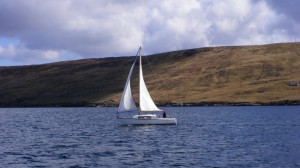
1 having fun

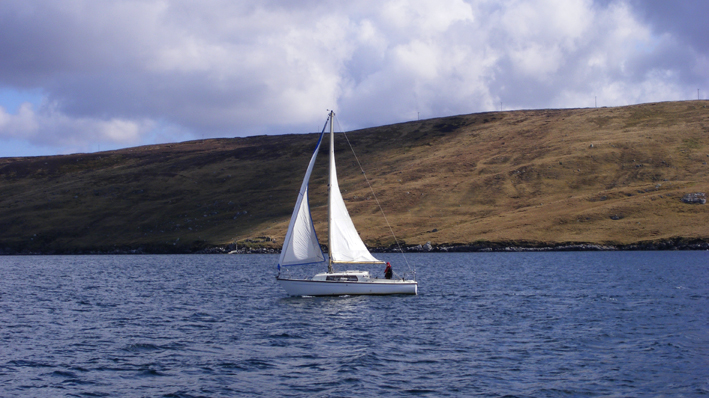
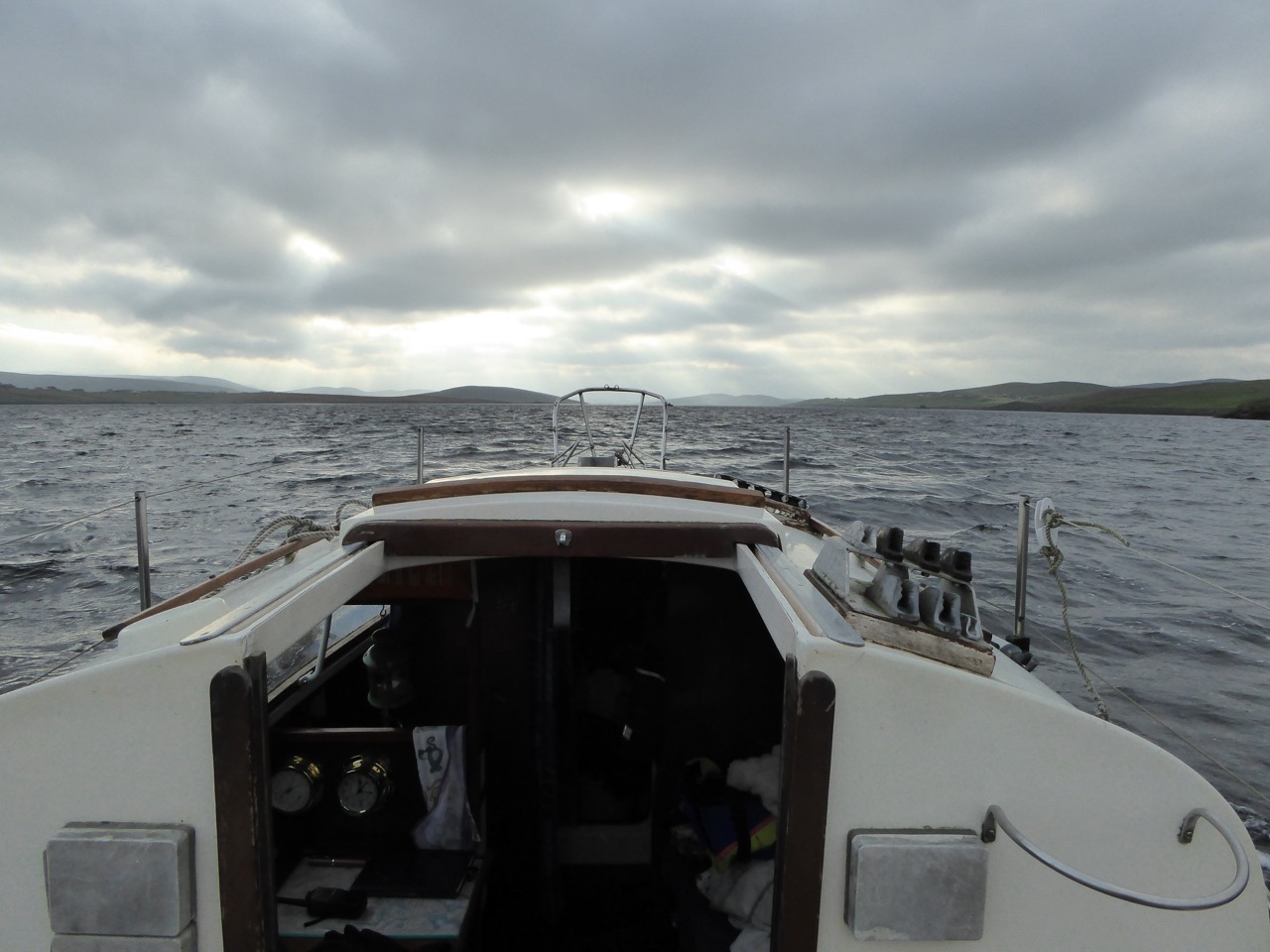
The Brae boats have always had masts down before November, for insurance reasons, but it’s only now our own marina at Aith has enforced the rule. I’m the only yacht here, so it seemed easier to sail up to Brae, take my mast down along with all the others to help, and motor home. And so today saw me heading down for the marina where my beloved Karima S is kept. For boating people, she’s a Van de Stadt Offshore 8m; for non-boaters, imagine a small camper van with a lot more wood inside, a pointy end and a mast. We have a lot of fun, Karima and I: every bonny summer day, we’re out on the water, enjoying the bird life, sailing out to poke our noses into the wild Atlantic, heaving to for a cup of tea or mooring up in an inlet for lunch, with the seals popping their snouts up around us, and the terns diving like white swallows.
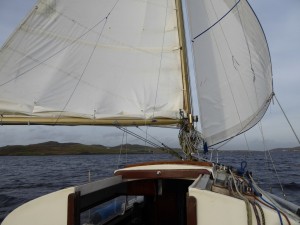
2 rolling gently along

I got on my full sailing gear: wool gansey, teddy-bear suit, extra socks, boots, two jackets, and headed for the marina. Today was not a bonny summer day; it was late October, grey, with a suspicion of drizzle, and a good breeze that had had me worrying half the night about how many reefs I should put in. A reef folds away the bottom of the mainsail, and the general rule is that you do it before your over-canvassed boat gets unmanageable. The wind would be behind me, but even so I decided to go for two reefs, halving the sail area. If that meant we dawdled the seven miles to Brae, so be it. Still, I consoled myself, with two reefs I could unroll the jib, the front sail, which would make her better balanced.
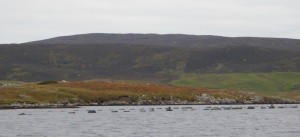
3 autumn hills

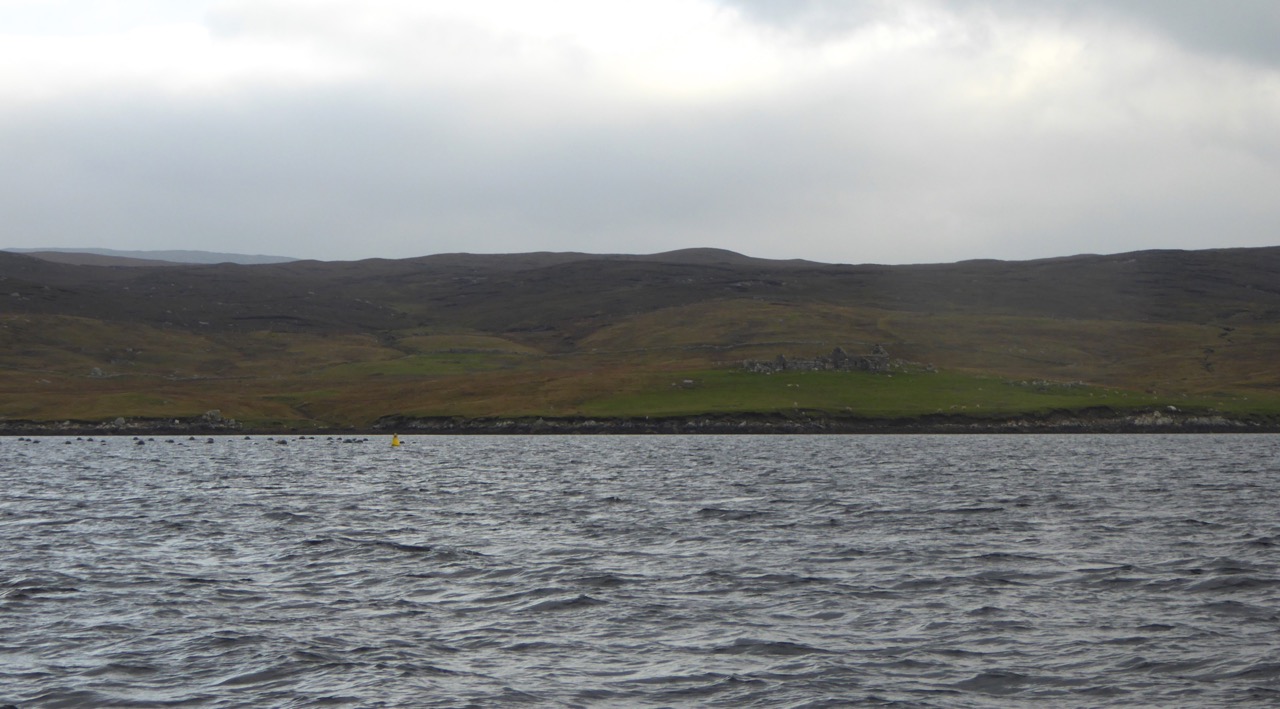
We headed out into the voe (the Shetland word for a sea inlet), switched the engine off, and set our noses northwards. Two reefs had been just right, I congratulated myself; my little boat was rolling gently along, with the waves whispering along her sides and breaking in a lace of foam at her prow. I unrolled the jib and began to enjoy myself. It was slightly scary fun; the wind was stronger than I’d usually go out in, creating long streaks of white along the backs of the moderate waves, and with the wind dead behind I couldn’t let the helm go for long. With two sails, though, she was surging forwards; this could be a record-breaking passage. The sun came out, lighting the auburn heather on the hills, and a kittiwake flew over me, looking down its nose at this unseasonal yacht.

Then there was a rap and a flap from the bow, and when I looked forward, the shackle that held the foot of the jib to its furler had come unscrewed. The last two feet of the jib were pulling away from its metal track. Now I was in trouble. If I kept sailing like that, in this wind, I’d damage either the jib or the track. I couldn’t furl it away from the safety of the cockpit; I’d have to go forward to tie it down, and to do that I’d have to leave the helm, so I’d have to get the wind on her nose.

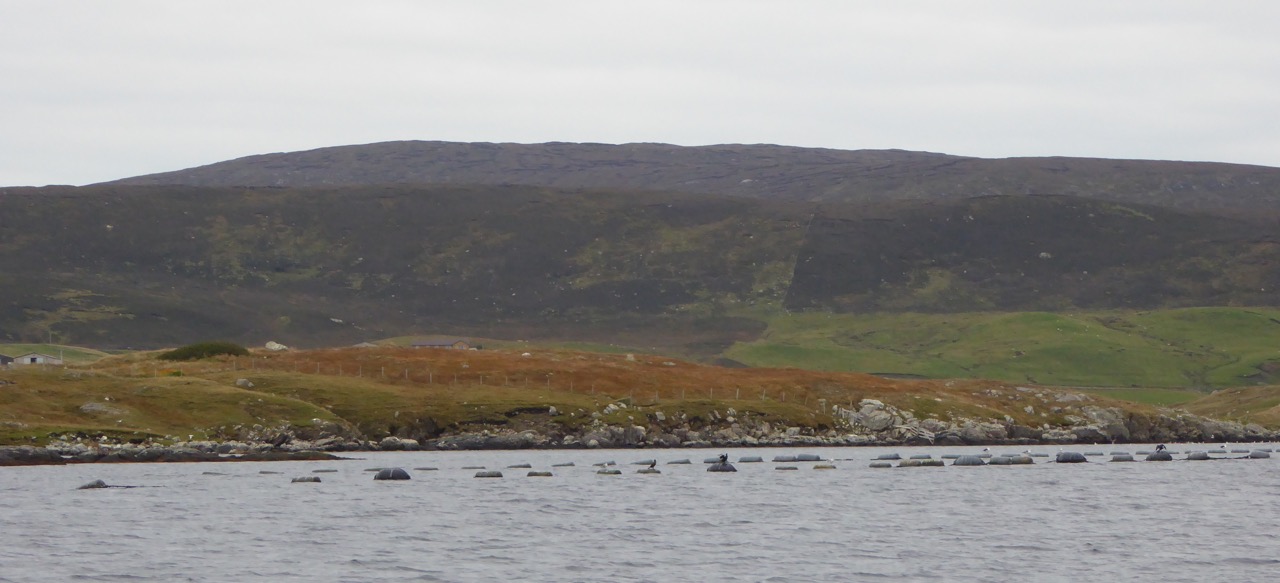
I turned the boat head to wind. Instantly, there was a chaos of flapping sails, and the jib wound itself once around the track, the wrong way. Karima lurched, the waves threw her about, and we started drifting sideways towards the shore. I tugged at her helm, but the wind had us in its teeth now, and she couldn’t respond. I fired up the engine and rammed the throttle forwards. Juddering, she obeyed, turned, and we went back on track with the wind behind us once more. I contemplated the jib and decided on a plan B: to come around this headland and heave-to in the bay of Houbansetter.
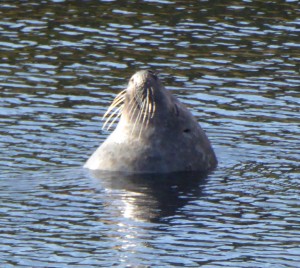
6 the marina seal

Heaving-to is a way of ‘parking’ a sailing boat by making the two sails work against each other. You don’t stay still on the water, but it gives you breathing space to fix whatever’s gone wrong. Modern boats don’t like it, but my Karima was built when boats were expected to do everything by sail, and she’ll sit happily with her sails crossed. I tightened everything in, tacked her and waited. She juddered over, tilted until her lower side was almost touching the water and waited there. Step 2. I took a piece of narrow rope and shoved it in my pocket. Heart in my mouth, I all-foured it along the up side to the prow, hands clutching each hold. It wasn’t a good day to go swimming. I braced my legs against the guard wires as I threaded the rope through the bottom of the jib and secured it around the bottom of the track. That should hold! My hands were shaking as I regained the safety of the cockpit.

Now I could roll the jib up again. I hauled away on the furling line, steering with my legs and controlling the sail with both hands. Job done. We rolled gently onwards once more. Behind us, the sun was burnished with grey mist, and the sea was polished silver. I put the engine off and started to enjoy myself again, though the pace was now a bit sedate. I unrolled all but the last couple of turns of jib – that was better. We sailed happily past the opening to the wild wide Atlantic, and past the crow-stepped elegance of Busta House, Shetland’s oldest inhabited house, with a romantic story of a Cinderella who brought the house to ruin to go with it.
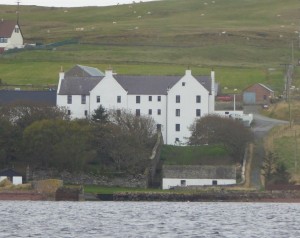
5 busta house

Busta’s my signal to get mooring ropes ready and drop the mainsail. The second I turned Karima sideways I felt the force of the wind again. The mainsail flapped wildly as I dropped it, yanking the boom under my arms as I stood on the cabin side, trying to gather it in. I hauled its elastics around it, and got back to safety. The waves were as high as the cockpit now, having gathered along the long fetch of Brae voe. Still, nearly there. I throttled back as we came into the sheltering arms of the marina, and got my mooring ropes ready. She was still too skittish for me to go forward and attach a rope to the prow, so I fastened one to the stern, and got the coil ready for me to pick up as I stepped ashore.

I’m still not sure what went wrong. She berthed slightly squint, but near enough for me to step onto the pontoon; and then my boot heel caught in the rope, I think, and tugged it out of my hand, and the next I knew she was drifting away from me, heading for the boating club slip. If I was lucky, she’d end up alonside the projecting jetty. I began to run desperately up this jetty and round the rock arm, while my boat pirouetted in the circular space, with the entrance back out to sea scarily open. By now, Joe, at his own boat, had spotted her loose and was coming running, along with another boat owner. ‘Have you got an oar, to fend her off?’ he called. ‘It goes straight down!’ Joe reassured us. We all three scrambled down the rocky slope as Karmia drifted gently towards us. A huge rush of relief washed through me as I grabbed her guard rail and hauled myself aboard. Joe came up over the stern, and we backed away from the shore, turned round and headed back to the berth.

Once she was safely tied in, I heated up a pan of soup, and treated myself to an Options white drinking chocolate. I felt I’d earned it!

I spent the next hour undoing ropes. I’d forgotten how many bits of string have to be removed before the mast’s free to come down: the reefing ties, three halyards, the topping lift, all the gear for the spinnaker pole, the lazy jacks … I’d had enough wrestling with sails for one day, so I just bungeed the mainsail to its boom. The jib had to come down, but it slid down easily, with not too much flapping, and I managed to roll it up. All the ropes went in a rubbish bag to take home for washing. By the time my husband, Philip, came to collect me, I was nearly ready. He gave me a hand with getting the boom into the cabin – it’s metal, nine foot long, and weighs a ton – and then we headed home. Driving distance, fifteen miles, and time, half an hour.
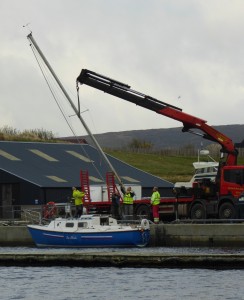
7 mast removal

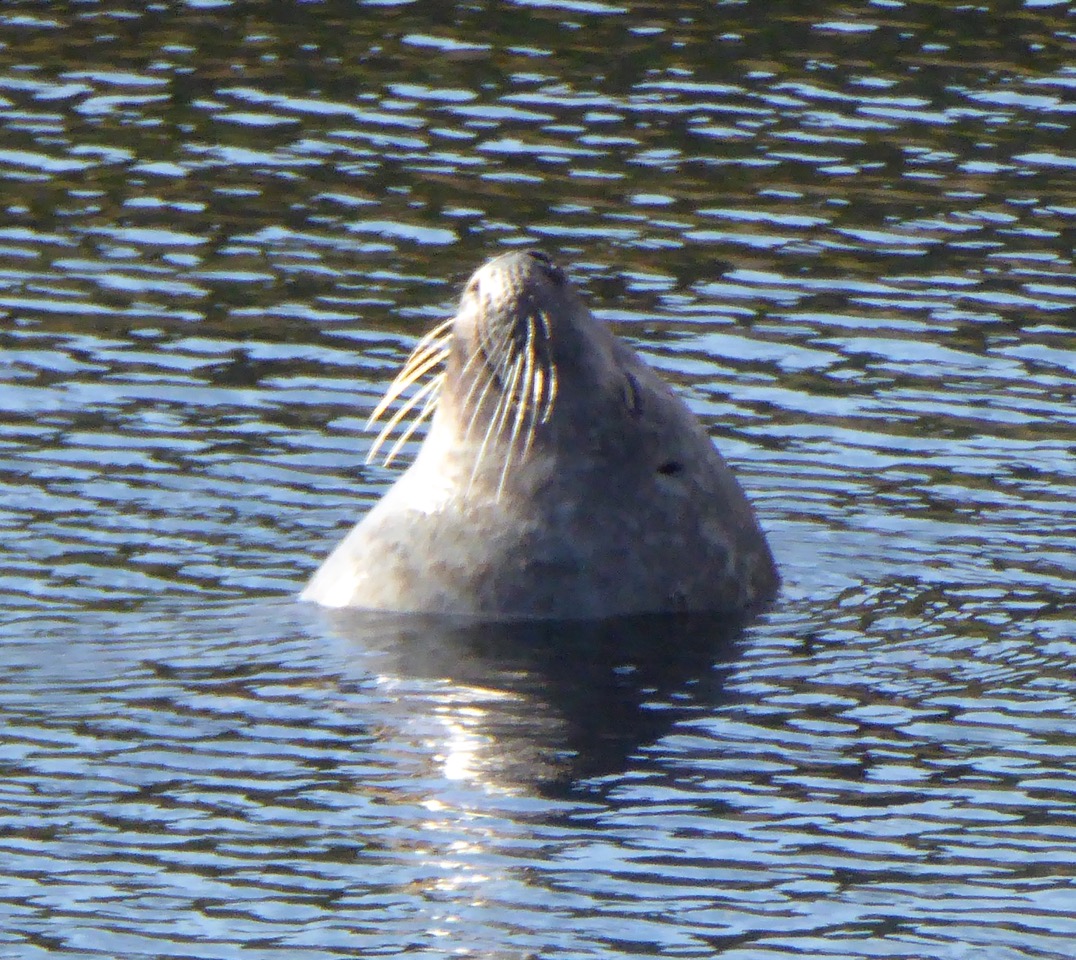
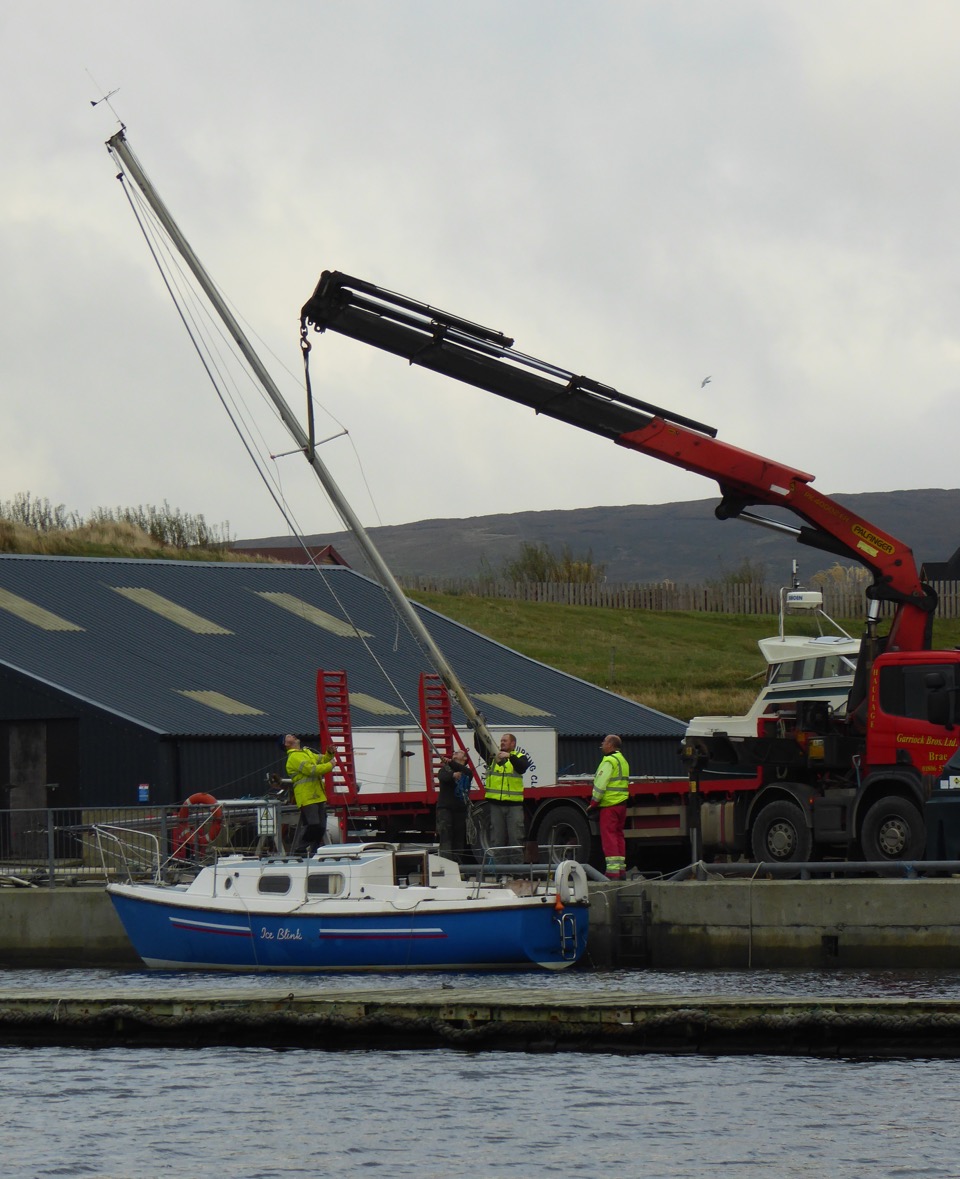
The next morning was the Day of Doom. I was up at seven, dressed in my sailing gear again, and ate breakfast as Philip drove me over. The crane was due to arrive at eight, and sure enough, it clanked down the hill at five to, parked beside the pier and spread its legs like a determined spider. The marina seal sculled in, and poked his snout out to watch what was going on.

The next three hours were busy: motoring each of the eight boats to the pier, and tying up. The crane driver operated his derrick from a control box at his waist: up in the air, swinging round to bring the canvas loop to the mast, where we unhooked it, put it round the mast, and stood back, watching it slide upwards without – we hoped – damaging any lights or pulleys on the way. Once the crane was supporting the mast, it was all hands on deck to undo the wires holding the mast up (eight of them, attached by long bottle-screws, plus a thick bolt at the foot). Then the mast went up into the air, with three of us holding it to guide it down safely. That boat backed away. Next. I must have clambered between boat and pier a dozen times, at least. After all the masts were off, the crane lifted each one again and swung it round to the cradle where they’ll spend the winter: more steadying of masts which, on the ground, suddenly became telegraph pole sized. At last, we had a neat pyramid of masts beside the club. The crane retracted its legs and headed off.
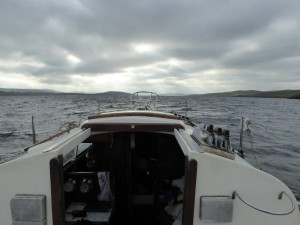
8 my poor boat

I got back aboard my poor boat. She looked diminished, mutilated, without her mast rising proudly up to the sky. I hadn’t seen her like that for ten years, and I hadn’t realised what a shock it would be. Still, I promised her, if it came a lovely winter day, when we’d normally be sailing, I’d come down and sand off the bits of varnishing I hadn’t done over the summer. I’d get all her ropes properly washed, in the machine. And think, I added, how much safer she’d be through the winter gales, without her halyards rattling, and her boom cover flapping and needing re-tied. I could feel a miserable silence answering me. I didn’t feel very cheerful myself. Even in the winter, it was a rare month when we hadn’t gone out at all, and we always had our traditional Christmas Eve hour on the voe – for some reason, Christmas Eve here is almost always still and sunny. Now we’d both be marooned ashore till April.
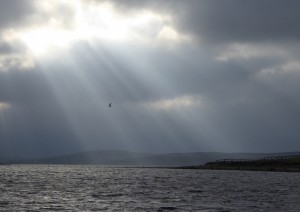
9 shafts of light

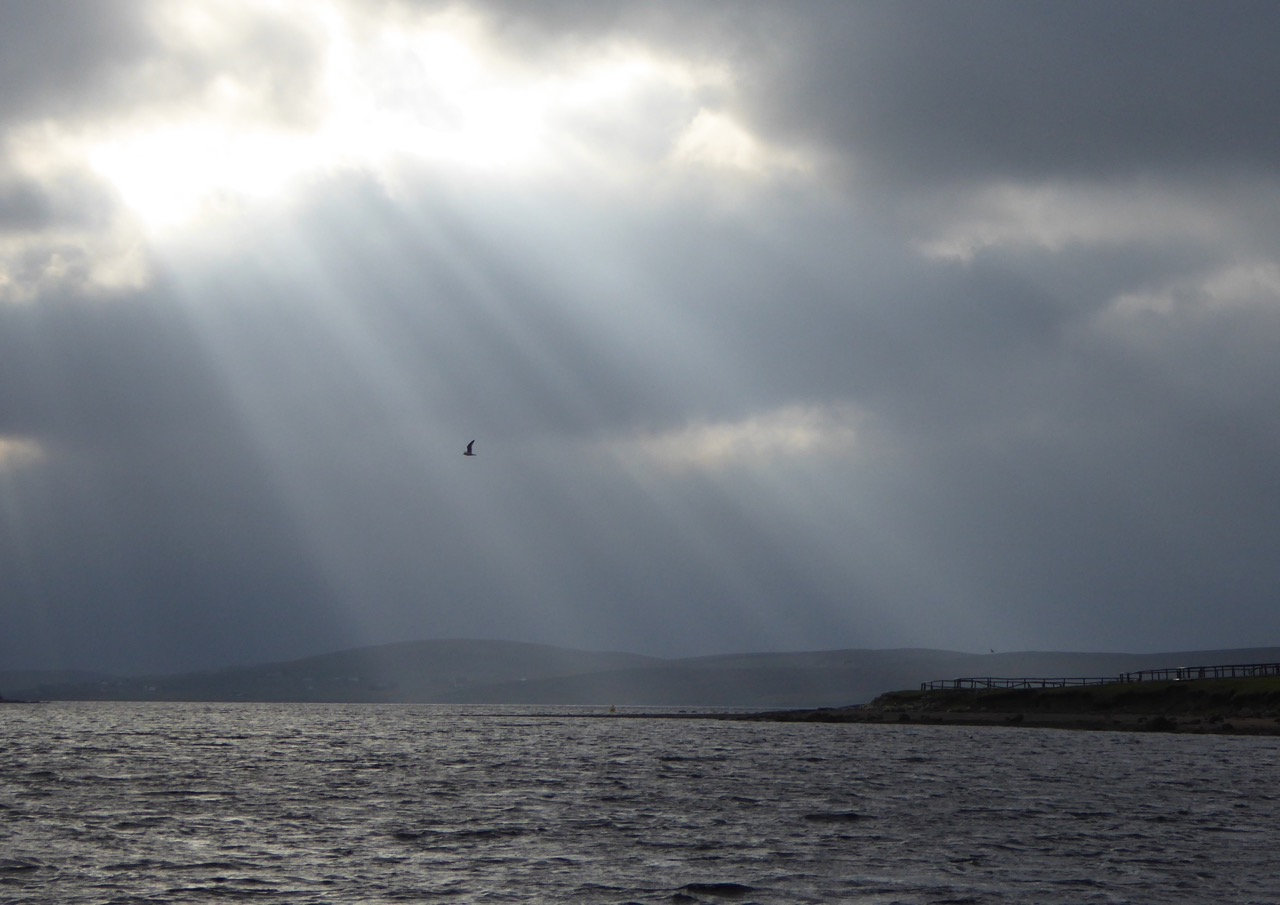
If we’d had sails, it would have been a good journey home: a brisk breeze that would have zoomed us there in no time. As it was, under motor, into the waves instead of over them, the wind was bitter in my face, and I wasn’t sure whether it was raining, or just salt spray from the waves. The light was bonny, though, shafts of sun slanting down against the clouds, and turning the grey waves to shifting silver. A heron flapped over us as we came through Houbansetter. Ahead, the white houses of Aith gleamed.
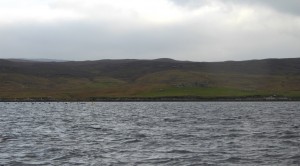
4 houbansetter

Philip came down to meet me at the marina, took one look at my disconsolate face, and gave me a comforting hug. ‘You’ll get her back in April. How about I do you a special curry for tea? And are you remembering that that vet’s coming to file Fergus’s teeth at 4.30…?’

***

Please look at Marsali’s website, www.marsalitaylor.co.uk, or follow her on Facebook: https://www.facebook.com/Marsali-Taylor-264232770329242/?ref=hl
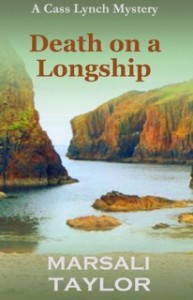
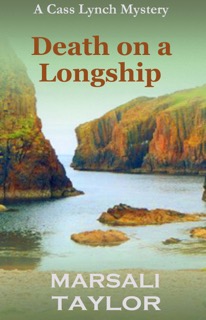
Death on a Longhip

Here’s the opening of Marsali’s first Cass novel, Death on a Longship:

The blurb: Liveaboard yachtswoman Cass Lynch has landed her dream job: skippering a Viking longship for a high-profile film starring the world-famous Favelle. However it means confronting her past: the parents she ran away from fourteen years ago, and the world of her dead lover, Alain. She and her Norwegian friend Anders sail to Shetland, where the film is to be shot. However Cass’s home-coming isn’t what she expected. Her father is in the throes of a new relationship, and filming is soon disrupted by sabotage attempts. When she finds a woman’s body on the longship’s deck, Cass is fighting for her freedom against the suspicions of DI Macrae, and, as the violence moves closer, for her life …

She was my longship. She floated beside the boating club pontoon like a ghost from Shetland’s past, her red and ochre striped sail furled on her heavy yard half-way up the wooden mast, her painted shields mirrored on the early-morning calm water.

Okay, she belonged to Berg Productions Ltd, but I was her skipper. Stormfugl, Stormbird. She was seventy-five feet long, with a carved head snarling in a circle of teeth, a writhed tail, and a triangular log cabin on a half-deck in the stern. Gulls were wheeling around her, bickering among themselves, as if one of them had dropped a fish.

I started Khalida’s engine and put-putted across the bay torwards the marina. I wasn’t keen on gulls dismembering fish all over my clean decks. I’d hosed them yesterday, after filming. The cameramen, lighting operators, make-up, costume, best boys, grips and all the hundred people that seemed to be needed for even a simple shot had squelched the path from road to shore into dusty gravel, which had clung to the sheepskin boots of my Viking oarsmen. The shore had added a generous helping of sand-laden algae. I didn’t intend to start the day re-scrubbing them. I’d fire the gulls’ fish overboard, and let them squabble about it on the water.

It was amazing, too, that Anders hadn’t heard them. Even someone who slept like the dead, as he did, must surely be woken by them perching on the cabin ridgepole to stretch their necks at each other. I’d have thought he’d have been out to clear them by now.

As we entered the marina I realised that there was a white bundle lying on Stormfugl’s deck under the circle of snatching gulls. I turned Khalida in a sharp curve and brought her up on the other side of the pontoon. Damn the way Norwegians went for cheap British drink. He’d obviously gone out and got blootered, staggered home and fallen, injured himself –

It wasn’t Anders.

I looked at the body lying on the half-deck, one hand stretched towards the prow and felt my newly-won promotion to skipper slipping away. It was Maree Baker, one of the film lot, the stand-in for the star.

I was ashamed of myself for thinking first of me, but I couldn’t help Maree now. She lay sprawled on the larch planks like a marionette washed up by the tide, the manicured nails still gleaming like shells in the bloody mess the gulls had made of the exposed hands. There was mottled dirt on her cream silk trouser suit. The red-gold hair falling across her face was stirring just a little in the breeze, as if at any moment she’d shake it out of her eyes and leap up. I looked again at the back of her head, tilted up towards me, and saw the pool of blood spreading out from below her stand-in wig. The gulls had left footprints in it, and across the deck. I’m not squeamish about blood, but I felt sick then. I yelled at the three that had only gone as far as the pier, orange eyes watching me, then looked back at Maree. I didn’t want to touch her, but I had to. I was the ship’s Master under God; captain, minister, doctor. I curved my hand around the chilling neck and laid two fingers over the vein. There was no flutter of pulse.

I withdrew my hand and reached into my back pocket for my mobile. 999. No, here in Shetland, 999 would probably get me some Inverness call centre three hundred miles away, where I’d have to spell out every name twice. I wanted Lerwick. I dived into the boating club for a phone book, and found the number. There were two rings, then a voice.

‘Northern Constabulary, Sergeant Peterson here, can I help you?’

I took a deep breath and wished I was at sea, where the procedure was laid down. Mayday three times, this is yacht name three times. ‘I’d like to report what looks like a fatal accident,’ I said. ‘On board the longship Stormfugl, moored at Delting Boating Club.’

‘The film boat,’ she replied, briskly confident even at this hour of the morning. ‘Your name, madam?’

‘I’m Cass Lynch, the skipper of the boat.’

‘Remain with the body, please, Ms Lynch. We’ll get a doctor to you as soon as possible. Have you any idea of the casualty’s identity?’

ID was Ted’s problem. ‘She’s lying face down. I didn’t want to turn her over.’

‘We’ll be with you in about half an hour. Until then, please ensure that nobody goes near the body. And don’t call anyone. We’ll do that.’

‘I’ll stay with the body,’ I said, but made no other promises.

I picked up a stone, and scattered the gulls with one vicious throw.

***

You can find buy links to Marsali’s books at – http://www.amazon.co.uk/Marsali-Taylor/e/B0034PACI8/ref=sr_tc_2_0?qid=1446062972&sr=8-2-ent
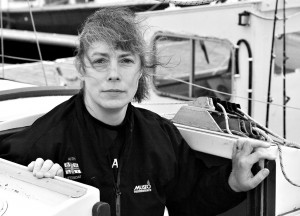
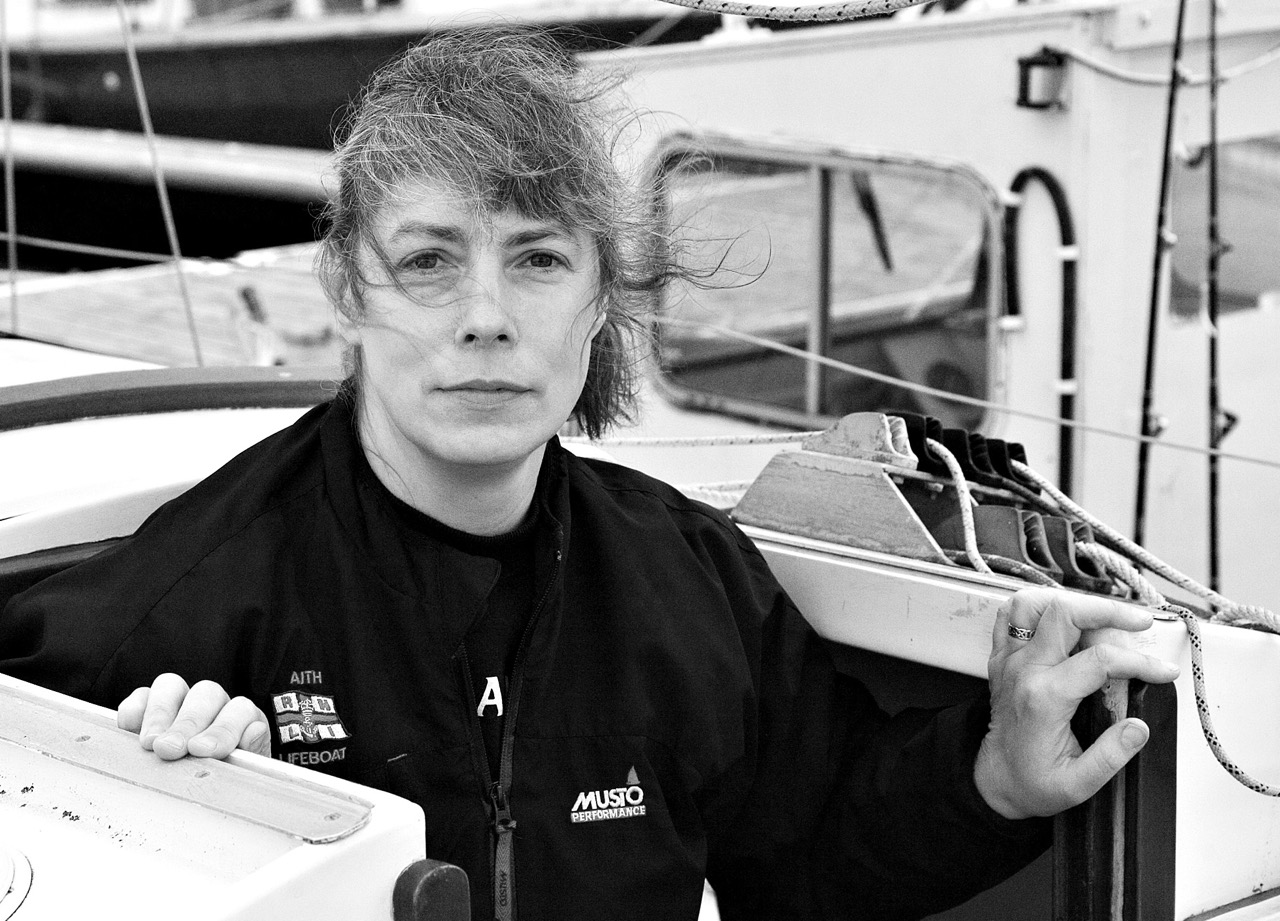
M Taylor

Bio

Marsali Taylor is the author of four Shetland-set crime novels starring her sailing heroine Cass Lynch. She came to Shetland’s scenic west side as a very new, very green trainee teacher, and remained in the same classroom for her teaching career. She’s also a tourist guide with a particular interest in women’s history. She lives with her husband, Philip, a tribe of unruly cats and two Shetland ponies.

***

Many thanks Marsali- fantastic blog!

Happy reading,

Jenny x


Why Did I Write Romancing Robin Hood?

It is said that everyone has one book in them. This isn’t the case with me- so far I’ve taken part in the creation of over 100 books. Having said that however, one book always needed to be released from my imagination – and that book was Romancing Robin Hood.

This novel sat in my mind for decades, just waiting for the moment to be right.

RRH- new 2015

Many many many years ago, when I was a teenager, I was a bit- shall we say unusual? I suspect the words ‘odd’ and ‘eccentric’ would be more accurate, but I’ll let you make your own mind up on that!!!

I never did the pop or film star crush thing. Never had pictures of Duran Duran or Wham on my wall. Adam Ant didn’t look up at me from my pencil case, and I did not wake up to see a life sized poster of Morrissey’s backside complete with gladioli (or whatever flower it was) sticking out of his backside!!

Nor was I into the Pac Man craze (I am so giving my age away here!), and the background to Manic Minor drove me nuts! I didn’t buy Jackie, or indulge in spending my money on Cosmopolitan.

It wasn’t that I didn’t like music or playing the odd game of tennis on the Atari- but I had a different sort of fascination.

RH- RoS 2

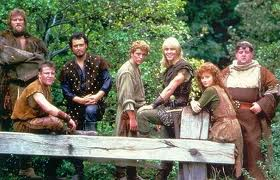
Cast of Robin of Sherwood

Robin Hood!!

I know what you’re thinking- you’re thinking that I had a crush on Jason Connery or Michael Praed- but nope. Sorry- neither of those lovely boys are my type at all.

It all started because I was ill for ages and ages when I was 14. I missed a lot of school. But as always in life, timing is everything- and I was saved by an instant and unshakeable love for the series of Robin of Sherwood that was being aired on ITV at the time. It was the third series- I hadn’t seen either of the first two. (I have now- lots!) As I was at home so much, my parents rented one of those new fangled video recorders from Radio Rentals so I could record stuff and watch it when I liked. (Thanks Mum and Dad- still grateful for that!!)

The VCR arrived the same day as the episode of Robin of Sherwood called Adam Bell was aired- I recorded it and watched it 8 times the next day- and then again, and again and again. Now- over 20 years later- I can still quote the script!! (Okay- that’s nothing to be proud of- see- I’m a bit odd!!)

It wasn’t the tight tights that had captured my heart though- it was the story. The whole story. All of it. I wanted to know everything- EVERYTHING- that could possibly be known about Robin Hood. No film, book (nonfiction or fiction), was safe from me.

RH- E Flynn

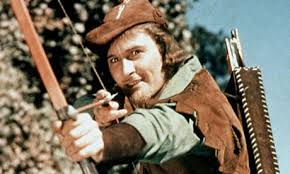
Errol Flynn- The Adventures of Robin Hood


My walls disappeared under posters of RH- any posters- from Errol Flynn, to Richard Greene, to the statue up in Nottingham, to the gorgeous Ray Winstone who played Will Scarlet (Okay- you have me there- I had – still do- have a ‘thing’ for Ray Winstone- there is such a twinkle in those eyes!!!)

The interest became an obsession (In RH not Ray Winstone). When I was better my parents took me to Sherwood- I learnt archery, I read medieval political poems and ballads- I wanted to know the truth- did he exist or didn’t he?

I did a project on RH for my A’ level History. Then I went to university and did a specialist course in Medieval Castle and Ecclesiastical Architecture…I was a medieval junky!! It seemed only natural to do a PhD on the subject- and that is exactly what I did!

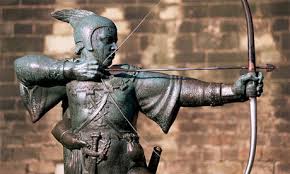
Robin Hood Statue- Nottingham

Robin Hood Statue- Nottingham

By this time of course, I was pretty certain how and why the RH legend had begun- but I wanted to know who had influenced it into the form we know today, and how the real recorded crimes and daily life of the thirteenth and fourteenth century had affected those stories… (forget thinking RH was around with Richard I or King John- it ain’ happening!!)

It was my PhD that taught me to write- (a tome of epic proportions that is still knocking around my old Uni library gathering dust, while e-versions of it are scattered around many American Universitys). Rather than finish off my love of RH- my PhD polished it to perfection!! (Although nothing could make me like the latest BBC series or the Russell Crowe film- both just made me want to scream they were so bad.)

Ray Winstone

Ray Winstone

I guess it was only a matter of time before I decided to write a novel about a Robin Hood obsessed historian.

Blurb-

Dr Grace Harper has loved the stories of Robin Hood ever since she first saw them on TV as a girl. Now, with her fortieth birthday just around the corner, she’s a successful academic in Medieval History, with a tenured position at a top university.

But Grace is in a bit of a rut. She’s supposed to be writing a textbook on a real-life medieval gang of high-class criminals – the Folvilles – but she keeps being drawn into the world of the novel she’s secretly writing – a novel which entwines the Folvilles with her long-time love of Robin Hood – and a feisty young girl named Mathilda, who is the key to a medieval mystery…

Meanwhile, Grace’s best friend Daisy – who’s as keen on animals as Grace is on the Merry Men – is unexpectedly getting married, and a reluctant Grace is press-ganged into being her bridesmaid. As Grace sees Daisy’s new-found happiness, she starts to re-evaluate her own life. Is her devotion to a man who may or may not have lived hundreds of years ago really a substitute for a real-life hero of her own? It doesn’t get any easier when she meets Dr Robert Franks – a rival academic who Grace is determined to dislike but finds herself being increasingly drawn to…

You can buy this crime/romance/modern/medieval novel from all good retailers, including-

http://www.amazon.co.uk/Romancing-Robin-Hood-Jenny-Kane-ebook/dp/B00M4838S2/ref=sr_1_1?ie=UTF8&qid=1407428558&sr=8-1&keywords=romancing+robin+hood

http://www.amazon.com/Romancing-Robin-Hood-love-story-ebook/dp/B00M4838S2/ref=sr_1_1?ie=UTF8&qid=1409936409&sr=8-1&keywords=romancing+robin+hood

Jenny

xxx


A Potted History of Halloween and Trick-or-Treat

I’m popping my historian hat on today- here is a whirlwind mini guide to the history of Halloween and Trick or Treat…

Halloween

Every 31st October we celebrate the night of Halloween. Pumpkins are carved into jack-o-lanterns, white sheets are ripped in half and turned into ghost costumes, and children go trick-or-treating. These activities are a very modern, rather commercialised, take on a festival steeped in history.

Halloween has its earliest originals in Celtic times, beginning life as a ceremony known as Samhain (pronounced sah-win). A pagan festival that was both a celebration and a thank you to the spirit world that marked the end of the harvest.

Traditionally in Gaelic culture, Samhain was a time when records were made of the harvest stocks, and the local population prepared their land and homes for the trials of the winter to come.

SamhainThe pagan Gaels believed that during Samhain, on 31st October, the boundaries between our world and the world of the dead thinned and then overlapped. They thought that the dead would return, bringing sickness to infect the living, and disease to damage the crops.

In order to keep these evils at bay, the Gaels dressed up in costumes with masks, mimicking the evil spirits. It was this tradition that is reflected in the dressing up outfits worn during Halloween in the modern century.

bonfire

Whilst wearing their evil spirits outfits, the pagans would light bonfires to keep the bad forces at bay. It has also been speculated that the fires attracted insects, and therefore bats, who would come to feast upon them- giving us another symbol of Halloween today. Historians believe that the pagans prayed into the bonfires for the souls of the dead stuck for eternity in purgatory, in the hope that they’d attain release.

Another name for Halloween is All Hallows Eve. This dates from 835AD, when the Roman Catholic Church made 1st November All Souls Day; a happy celebration to honour all of their saints. The word for saint in old English is ‘hallow’, and so, the night before All Souls Day, became All Hallows Eve- and then, in time, Halloween.

trick or treat

Although the celebration of Halloween can be traced back to the time of the pagan Gaels Samhain festival, the tradition of trick or treating has its origins much later.

In the medieval period it became popular to dress up and go from door to door on All Hallows Eve (or Hallowmas as it was beginning to be known). The poor would knock on doors and receive gifts of food in return for prayers to the souls of the dead to be made on All Souls Day.

In modern times, it is the USA that is most associated with the celebration of Halloween, where trick or treating has become a multi-million dollar industry. However, it wasn’t until the 1900’s that there is any recorded evidence of this annual practise. It was in Britain, Ireland, and across parts of Europe where reports of alms being given in return for prayers for the peace of the souls of the dead were first recorded. Even Shakespeare mentions the custom in his Italian based tale, The Two Gentleman of Verona (written in 1593) – “puling [whimpering, whining], like a beggar at Hallowmas.”

Although Halloween is known to have been celebrated in America from c.1910, and many thousands of Halloween postcards were produced from around the 1920’s showing children celebrating, none of them show the act of trick-or-treating.

The term “trick or treat” doesn’t appear in America until 1934, and it wasn’t until after the end of post-war sugar rationing, that trick-or-treating began to become popular.

By 1952, however, the tradition was firmly established, and in that year Walt Disney even included it in one of his cartoons, the appropriately entitled “Trick or Treat.”

So there you are guys- a very simple guide to Halloween.

Happy pumpkin carving folks!!

Jenny xx

Guest Post from Gilli Allan: Drawing a Naked Male Model can be Challenging

It’s my great pleasure to welcome Gilli Allan back to my blog today. As well as being an engaging, entertaining, astute and erudite writer, Gilli is an excellent artist, and (as I had the good fortune to discover at a recent conference), one of nicest people you could ever wish to meet.

Over to you Gilli,

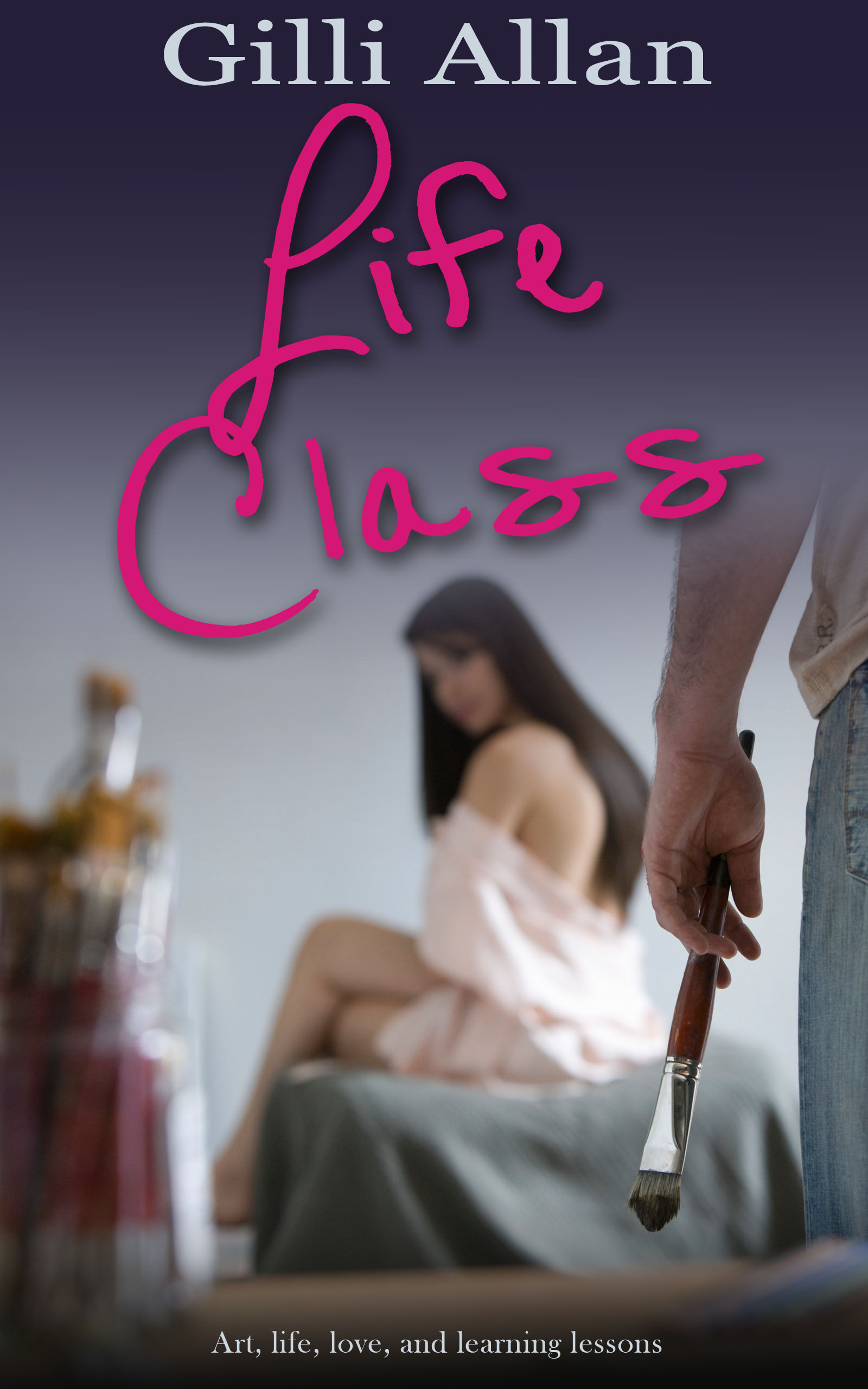
All my books have grown out of the “What if…?” question. LIFE CLASS is no exception. Initially I had the title but no story, so I began to reflect on the accumulated experience of attending life drawing lessons over many years, and there was one incident that cried out to be revisited.

Before I arrived at art school, aged sixteen, I knew no boys, apart from my cousins. For me – a shy, gauche and inexperienced kid – becoming an art student was a very big deal. I’m sure it was a big deal for all of us in First Year Foundation. Within days, however, we’d relaxed with one another enough to become noisy and brash, and to show off. Then we had our first life class.

GA Life Class - new

We all knew this weekly lesson was a part of the curriculum, so at least we weren’t taken by surprise. But knowing that something is going to happen does not necessarily make it easier to deal with. Imagine us, not yet entirely comfortable with one another, suddenly confronted by a very ample naked woman who we were expected to draw. The lesson passed in a stunned silence from the mixed class of very young students. The teacher made up for our unusual hush by raising his voice, as if suspecting we’d all turned deaf as well as mute.

“Observe the landmarks of her body and how they relate to one another,” he boomed. “Her crotch … her belly … her navel … her nipples!”

In retrospect, it was funny. At the time it was more agonising than amusing. I found it a challenge to even look at her without blushing, let alone to closely study those parts of her body I was too bashful to say out loud!

Despite the initial embarrassment I swiftly became used to studying a naked stranger. In fact, the life class rapidly became my favourite part of the week. I was captivated by the challenge of trying to interpret the human body in a drawing. When I left college I was unable to find a job in the art world, and for the next few years I was a depressed sales assistant in various London department stores. The aspect of art I missed the most was the life drawing, and I signed up for an evening class at the London School of Printing. I continued with this for a year, but slogging over to the Elephant and Castle on public transport after a day’s work, became a bind and I gave it up.

Although, at the time it felt like my life was trickling away, it wasn’t so long before I managed to secure my dream job as an illustrator in an advertising design studio. For a while I was very happy earning my living doing what I’d always wanted to do, but, as I became more accomplished, the work became more demanding and stressful. The workload was always erratic, and when a new commission did come in, it was typically wanted first thing the next morning. So when I had my son, I was content to take a break from commercial art. Now at home full-time, I revisited my teenage hobby of writing, and I also signed up for another life drawing class. Baby-sitting responsibility was my husband’s for one night a week, enabling me to do something just for me.

On that first evening I set out, feeling excited and tense. I had the directions and, as I drove over to the school in Wandsworth, I rehearsed in my mind what faced me. I knew that my life drawing skills would be rusty, I’d not employed them for years, but there was something else on my mind.   ‘Life’ models are predominantly female. The male model is a far rarer species, although not unknown. At college, over a decade earlier, we’d occasionally had a male model but, maybe to spare the blushes of the very young class, they’d always worn boxers or posing pouches. (One old fellow always wore his black beret, as well!) Surely these days, in an adult class, a male model would be stark naked, I reasoned. My tension about the evening ahead ratcheted up a few more notches when I couldn’t find the school. I must have been ten or fifteen minutes late when I eventually burst into the studio.

Everyone turned to look at me. The teacher was male. All the students were male. And – lying stretched out sideways on a mattress, his head on his hand – the entirely naked model was male. Wanting to disrupt proceedings as little as possible, I grabbed the first empty spot I saw. I didn’t think about the position I’d chosen until I’d sat down on the donkey (a wooden bench with an adjustable front flap), unwrapped my drawing pad, and raised my head. Everyone else had arranged themselves in a semi-circle behind or to the sides of the model. I was the only one with a totally full-frontal view. I looked at him, and he looked at me……….

You will find a fairly accurate account of what happened next at the start of Chapter Three of LIFE CLASS. I have given the experience to my heroine, Dory, who is a novice artist attending her first life drawing class. She is no shrinking violet but she finds it an unsettling experience. It unsettled me at the time, but I didn’t allow the incident to put me off.

I attended this particular class for a couple of years and we never had the same model again. Then I changed to another, a daytime class with a crèche. And throughout the years since, I’ve continued to attend life classes wherever I’ve lived. I don’t do life drawing because it’s easy. Sometimes it is, but often it’s hard. It can feel almost impossible – particularly if there’s a weirdo model! But, thankfully, they’re the exception not the rule. Despite the failures and the frustrations of the discipline, I am drawn back , again and again, trying to capture the mass, the angles, the points of balance, the fall of light and shade on that most intriguing of all subjects – the human body.

Here’s the blurb to Life Class-

Four people hide secrets from the world and from themselves. Dory is disillusioned by men and relationships, having seen the damage sex can do. Her sister, Fran, deals with her mid-life crisis by pursuing an on-line flirtation which turns threatening. Dominic is a lost boy, trapped in a life heading for self-destruction. Stefan feels a failure. He searches for validation through his art alone.

They meet regularly at a life-drawing class, led by sculptor Stefan. All want a life that is different from the one they have, but all have made mistakes they know they cannot escape. They must uncover the past – and the truths that come with it – before they can make sense of the present and navigate a new path into the future.

***

LINKS

LIFE CLASS

http://myBook.to/LifeClass

https://www.accentpress.co.uk/Book/13659/Life-Class

Connect to Gilli

http://twitter.com/gilliallan (@gilliallan)

https://www.facebook.com/GilliAllan.AUTHOR

http://gilliallan.blogspot.co.uk/

http://www.goodreads.com/author/show/1027644.Gilli_Allan

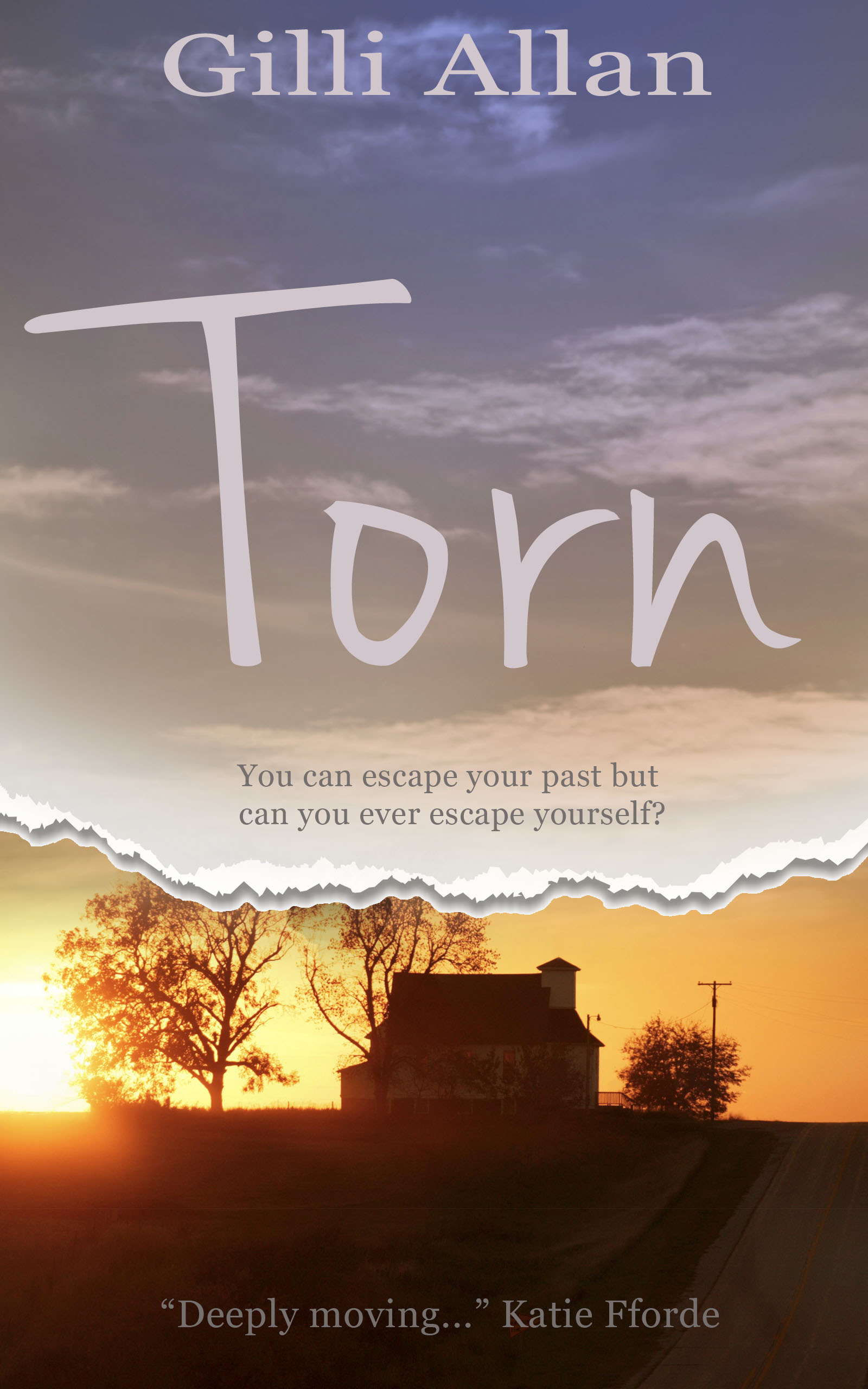
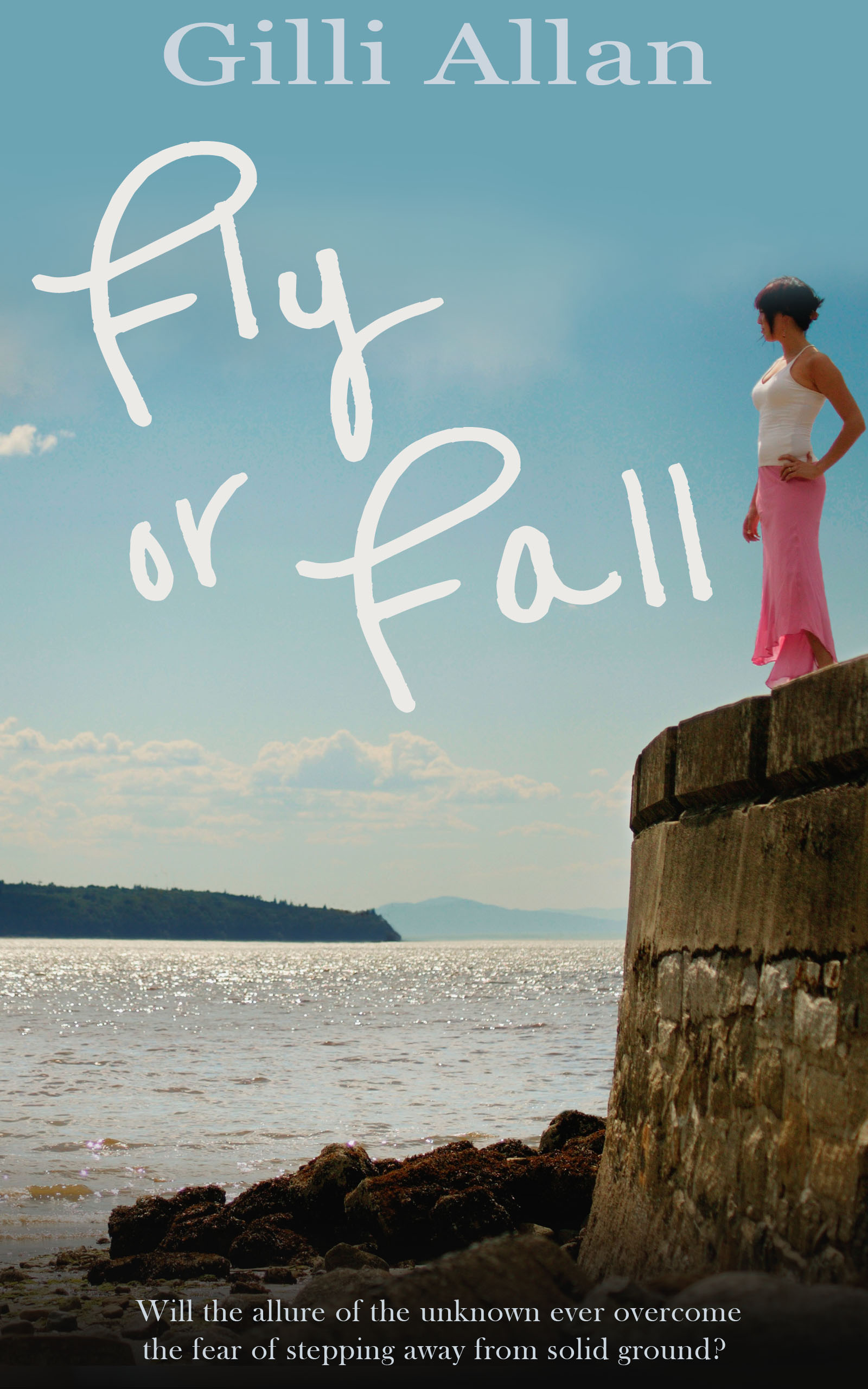
G Allen TornCover FOF

(If you want them, I’m including the links to TORN & FLY OR FALL)

TORN: http://mybook.togilliallansTORN

FLY OR FALL: http://mybook.to/GilliAllan


***


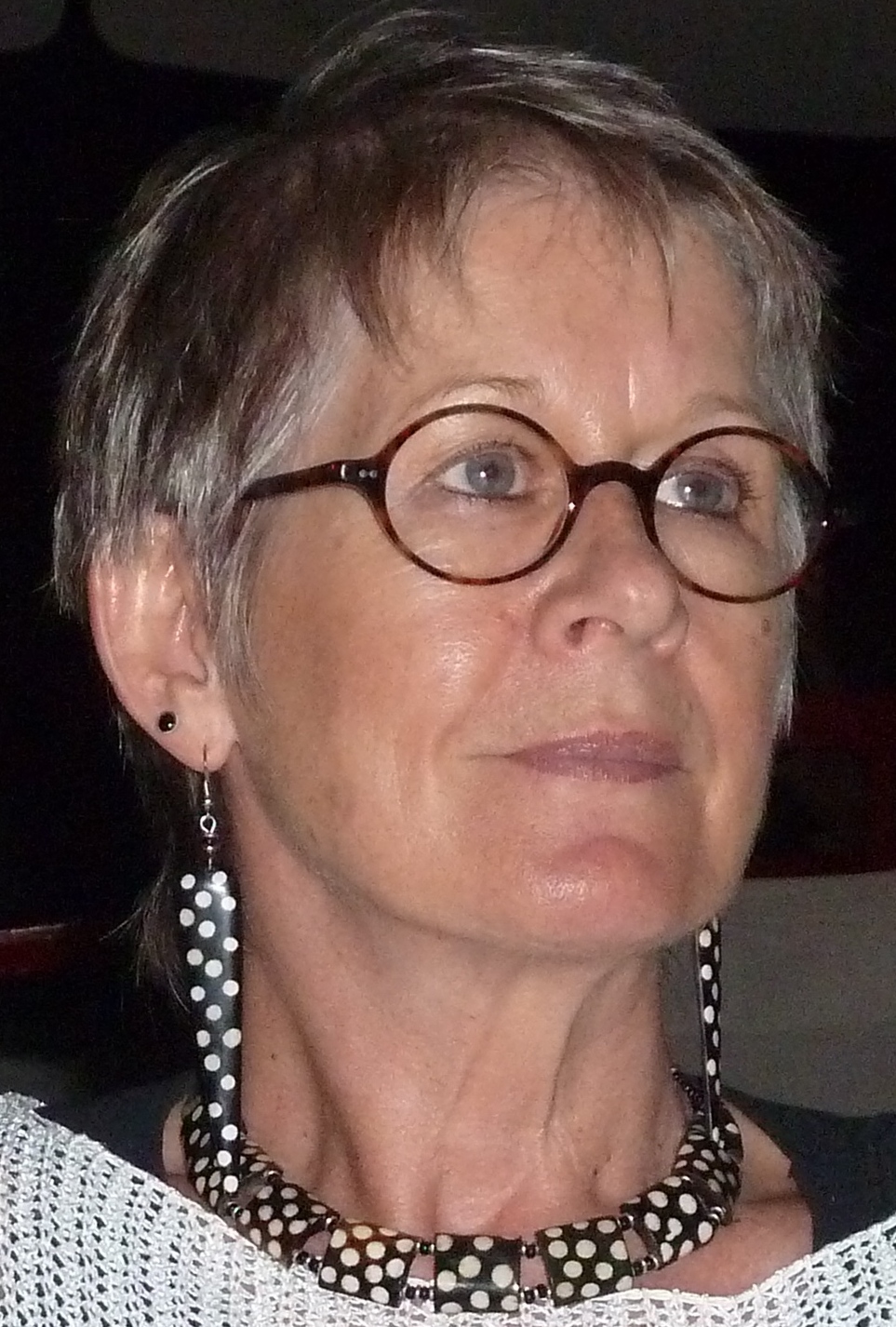
GA P1010802 - Copy (2) - Copy

Biography

Gilli Allan started to write in childhood, a hobby only abandoned when real life supplanted the fiction. Gilli didn’t go to Oxford or Cambridge but, after just enough exam passes to squeak in, she attended Croydon Art College.

She didn’t work on any of the broadsheets, in publishing or television. Instead she was a shop assistant, a beauty consultant and a barmaid before landing her dream job as an illustrator in advertising. It was only when she was at home with her young son that Gilli began writing seriously. Her first two novels were quickly published, but when her publisher ceased to trade, Gilli went independent.

Over the years, Gilli has been a school governor, a contributor to local newspapers, and a driving force behind the community shop in her Gloucestershire village. Still a keen artist, she designs Christmas cards and has begun book illustration. Gilli is particularly delighted to have recently gained a new mainstream publisher – Accent Press. LIFE CLASS is the third book to be published in the three book deal.

***

Many thanks Gilli- another brilliant blog!

Happy reading everyone,

Jenny xx 


Taunton Literary Festival: Romancing the Panel

On the 14th November I will be sitting on the Romantic Fiction Panel as part of the 2015 Taunton Literary Festival!

Taunton Lit Logo-02

With fellow contemporary fiction and romance writers, Veronica Henry and Kate Lord Brown, I will be chatting about my work, writing, the bizarreness of life, and our never ending sources of inspiration. How can I be so confident that this is what we’ll be talking about? Well- I am not only a panellist, but will be juggling the role as host as well.

Let me introduce you to my fellow panellists-

Kate Lord Brown is an internationally successful author. She was a finalist in ITV’s The People’s Author contest, and her novel ‘The Perfume Garden’ was shortlisted for the Romantic Novel of the Year 2014. She was regional winner of the BBC International Radio Playwriting competition, and she holds an MA in Creative Writing.

Kate Lord Brown

Veronica Henry began her career as a secretary on ‘The Archers’ before turning her hand to scriptwriting. She has written for some of our best loved television dramas, including Heartbeat and Holby City. She writes escapist fiction with an edge – her most recent book is The Beach Hut Next Door – a sequel to The Beach Hut. A Night on the Orient Express won Romantic Novel of the Year in 2014. She had also written a Quick Read, called A Sea Change. Her thirteenth High Tide is available from September 2015.

Veronica Henry 1

If you’d like to come along to the beautiful Castle Hotel in Taunton at 2pm on 14th November, we’d love to see you.

Castle Hotel taunton

You can get your tickets online here https://www.ticketsource.co.uk/brendonbooks or by telephone-

The Castle Hotel, Somerset on Saturday 14 November 2015
Doors Open at 1:30PM
Starts at 2:00PM
Ticket Price: £10.00*
*booking fee applies
Box Office: 01823 337742

Organised by Brendon Books, the Taunton Literary Festival runs from 7th-28th November, and features an incredible line up of guests, including Martin Bell, Gervase Phinn, Michel Jecks, Douglas Hurd, Karen Maitland.

For the full line up, check out the web site- http://www.tauntonliteraryfestival.net/about.html

Hope to see you there!

Jenny x


Guest Post from Jane Jackson: Being Mysterious as Rachel Ennis

Today I am welcoming the lovely Jane Jackson back to my site. On this visit Jane is chatting about her latest book, The Loner, which was written by the ‘other her’- Rachel Ennis!

Over to you Jane (or should that be Rachel?)…

For the past fifteen years I have been writing historical romantic fiction. I’m fascinated by life in the past, especially my chosen period of 1795 – 1905. Momentous changes were taking place in every aspect of life: the Napoleonic wars with France, railways that spread like tentacles across the length and breadth of the country, physician Edward Jenner’s development of a smallpox vaccine saving thousands of lives, the Falmouth-based packet service transporting mail all over the world, dispatches to theatres of war, and bringing back gold bullion from the sugar plantations of Jamaica.

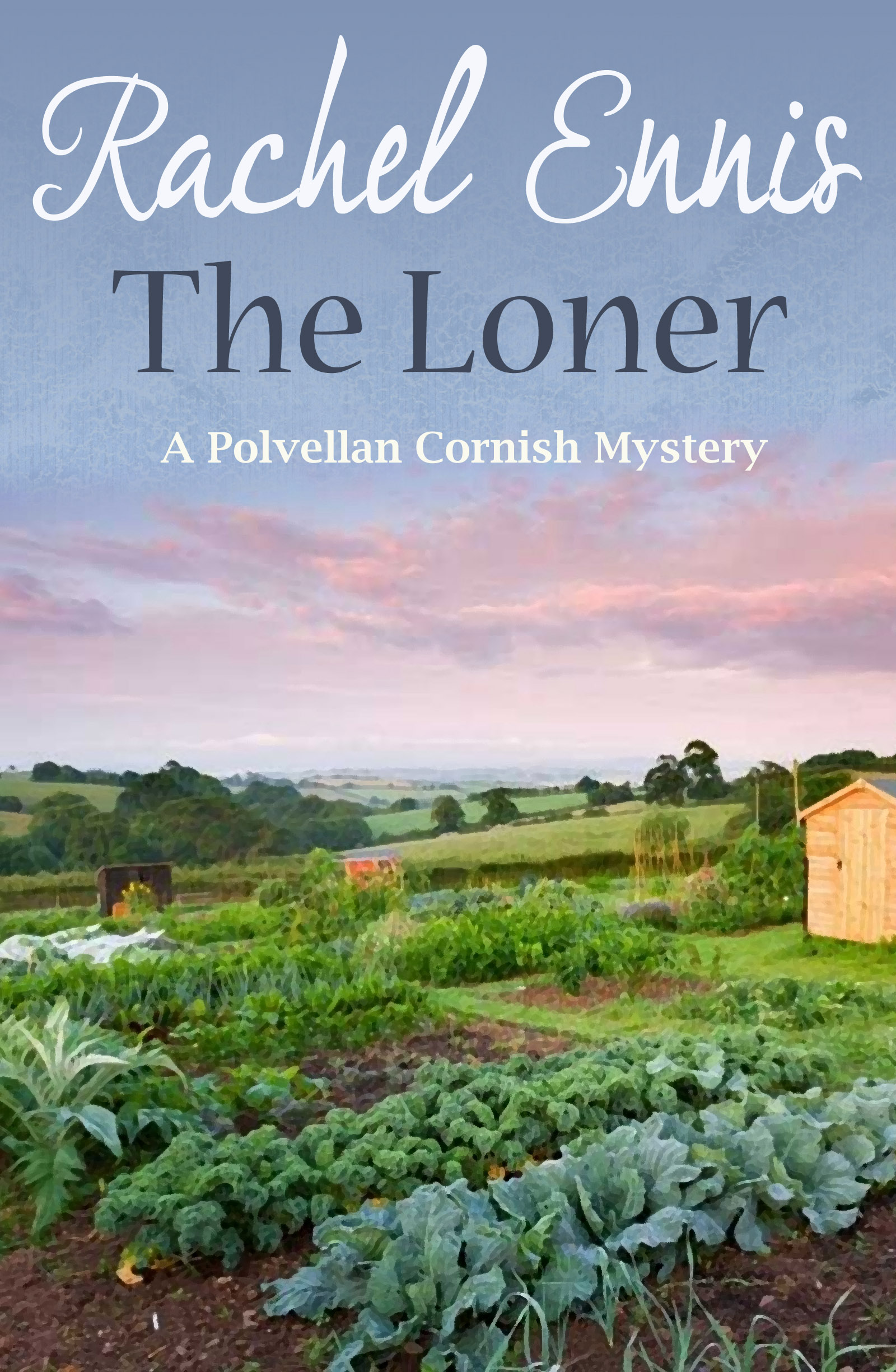
The Loner

Society was changing too. The industrial revolution brought a massive exodus from countryside to cities and jobs in the new factories whose prosperous owners were the basis of a new middle class.

The fun and frivolity of the Regency was crushed beneath the repression and hypocrisy of Victoria’s reign. I’d need another lifetime to write all the books I have ideas for.

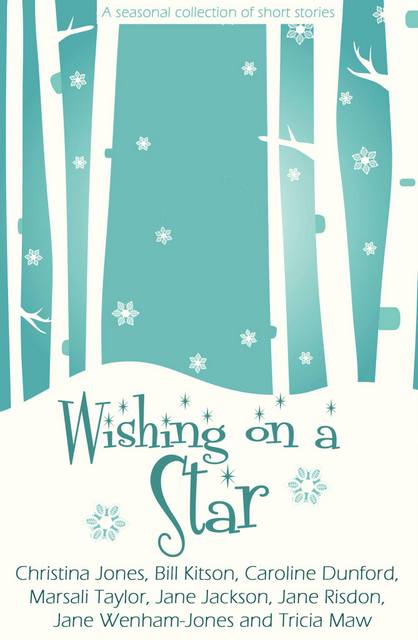
Then in November 2014 I was offered the chance to contribute to an anthology of Christmas stories published by Accent Press entitled ‘Wishing on a Star.’

Wishing on a Star

This was a great opportunity to write a contemporary story. But as I was stepping outside my comfort zone I decided to set it in a location familiar to me – a Cornish coastal village. I named it Polvellan (translation from Cornish is top – or head – of the mill, because there is an old mill at the back of the quay) and the story featured the birth of a baby during a carol concert, but with a very contemporary twist.

I loved writing it. My editor enjoyed it and suggested a series. That was how ‘Polvellan Cornish Mysteries’ and my new name of Rachel Ennis came into being.

Several authors published, like me, by Accent Press write murder mysteries and they are excellent. But this wasn’t a direction I wanted to take. Then I had my lightbulb moment. I would make Jess Trevanion – my main character – an amateur genealogist. Asked to find people’s ancestors she makes unexpected, shocking, remarkable, and occasionally tragic discoveries. And I get to explore more recent history!

Born and brought up in Polvellan, Jess returned to live there after her husband’s unexpected death left her in desperate financial straits. Because she is known and trusted, people confide in her.

Each of Jess’s friends: Annie, Gill, Morwenna and Viv, has their own story gradually revealed throughout the series, as are Jess’s past and current problems. She and childhood sweetheart, Tom Peters, are rebuilding their romance but both carry baggage from the past.

I never take people from real life as characters. Yet the villagers in Polvellan are as real to me as my family. In some ways I know them better, because in each story they reveal more about their secrets, fears and hopes.

As Jess’s reputation spreads she is asked to undertake more investigations. But some people aren’t happy, afraid of what might come out.

‘The Loner’ is the third in the series. Calling at the cottage of recluse John Preece to give him some tomato plants, Jess finds him dead on the floor.

Police and Coroner deem it an accident: he tripped on the rug and hit his head on the granite hearth.

When talk turns to the funeral arrangements Jess’s sadness becomes resolve when she realises that, like herself, very few people knew the real John Preece. Though he lived in the village for many years, his background is a mystery. Using her investigative skills to research John’s family, she is surprised and horrified by what she finds out.

Meanwhile, she is also investigating the history of Marigold’s, a famous local venue recently inherited by the new heir to the Chenhall estate. Who was Marigold and what was her claim to fame?

***

You can buy ‘The Loner’ 3rd of the Polvellan Cornish Mysteries as an Ebook Pub. for 99p from- http://www.amazon.co.uk/Loner-Polvellan-Book-3-ebook/dp/B01613GQNO/ and all good eBook retailers.

***

Jane Jackson TTH pic

You can find more about the work of Jane Jackson (aka Rachel Ennis) at-

Facebook: www.facebook.com/PolvellanCornishMysteries

Blog: http://writethepast.co.uk

Website: www.janejackson.net

***

Many thanks for a great blog Jane.

Happy reading everyone,

Jenny x 

Did you know that books are invisible?

“Did you know that books were invisible?”

That was the opening line I gave a slightly bemused group of friends when they kindly offered to let me give a ‘pretend’ talk about what to do after you’ve written a book.

invisible

OK- I’d better back track a little bit.

For a little while now I’ve been considering holding a few writing classes, and possibly taking on mentoring. There is one issue however-there are hundreds and hundreds of creative writing classes out there. I want to provide something a little bit different.

After chatting to fellow authors at the Tiverton Literary Festival in June, it transpired that what wasn’t so available was advice on what to do after you’d created your story. I have spent some time thinking about this.

There are so many authors in the world putting their life’s blood into their words. They pour themselves into their work, then perhaps they are lucky enough to find a publisher, or they decide to self publish their book, and then…nothing.

Big Fat Zero 2

This brings me to my original point. Unless you are with one of the top six publishers who have contracts to get books into the mainstream bookshops and supermarkets, books are invisible. They only exist if people know about them- and when I say people, I don’t mean your family, friends, work colleagues, and the people they happen to know.

Marketing- that’s what writers have to do. Writing is fairly important as well of course- but if you write something in the hope of earning an income, and then don’t market it, then what’s the point?

I can’t say I enjoy the marketing side of my job- and I’m lucky enough to have a publisher that does some marketing for me- but if you don’t have a Facebook page for your books, and a Twitter account from which to shout about your literary wares, then there is a real danger of disappearing into the ether of the eBook world. You need a blog, you need constant presence, and you need to – every now and then- share just a little of the real you to engage your audience.

Sadly, there is no magic wand when it comes to selling books. People won’t know you’ve written a book unless you make them sit up and take notice of the fact.

OK- lecture over!

I’ll pop off now, because I need to think up exactly what my ‘after-writing’ course will contain…any ideas (polite ones only!) will be very welcome!

Thank you!!

Happy reading, writing and marketing,

Jenny x

Twitter- https://twitter.com/JennyKaneAuthor 


Recharging with Champagne

Every now and then I have a moment when I sit down in front of my computer, black coffee to hand, and I wonder what the hell I’m doing. Why do I sit in my café corner everyday and write books when I could be out doing a proper job? I could be earning a reliable wage, and saving my body from the hazards of a caffeine overdose.

coffee drink

These moments don’t happen that often, and are usually the direct result of a large unexpected bill coming through the post. These temporary issues are often solved with a brisk walk or a chat with other – equally mad- writers. Lately however, I will confess to having felt a little bit flat. I bit aimless if you like. My body and brain have been screaming at me to take a break, to put the pen down and leave it all for a while so my  brain could unfog.

I tried to do that- I really did. I lasted three days before I drove myself bonkers and had to pick up a pen again. But then came a new problem, what on earth should I write next? At least four novels are knocking at the inside of my brain- but which to do first?

I needed advice, and so I emailed my lovely editor, Greg, and arranged to have a face to face chat about my writing direction.

I had no idea of course that, in between making the appointment and actually heading into Wales to visit my publishing house,  my latest novel, Abi’s House, was going to do the unimaginable, and hit the top of the Amazon UK Romance chart. It got as high as no. 6 in the overall fiction chart on Monday! (If you were one of those lovely folk who purchased Abi’s House over the weekend, then THANK YOU!)

Hazel Cushion, myself, and Greg Rees at Accent

Hazel Cushion, myself, and Greg Rees at Accent


As a result, when I got to Accent, I was greeted with the pop of a champagne cork!

Hazel, and the Accent team, treated to me to a lovely buffet lunch with champers in the beautifully bookish board room. We raised our glasses to Abi’s House.

I was already feeling reenergised by the time the coffee had been poured. Once I’d chatted business plans with Hazel, had the thumbs up for my marketing from Bethan, and talked writing plans with Greg, I was ready to start drafting the next novel on the train back to Devon…which I did… (News of that soon!)

Dinner in Cardiff with my dear writing friend, Lily Harlem, put the final flourish to my recharging day in Wales.

Now- only twelve hours since I got home- I’m back! The buzz is re-buzzing (and I’ve only had one coffee so far today!!)

So, if you’ll excuse me, I have a novel proposal to write….

Happy reading,

Jenny x


Abi’s House is a UK Kindle Daily Deal Today!

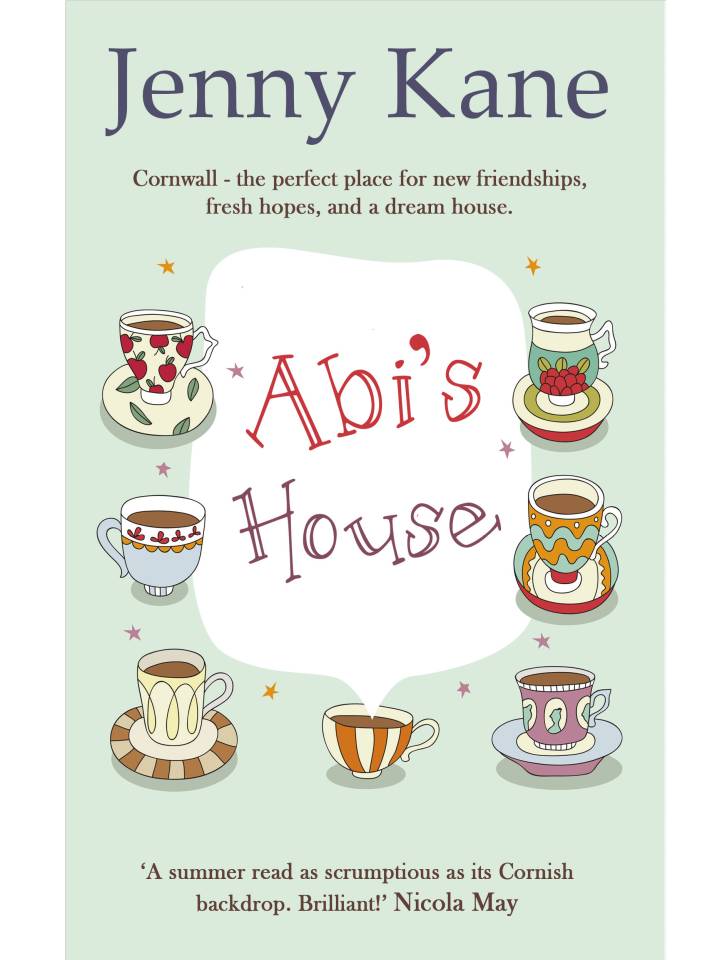
I’m chuffed to bits to have my bestselling novel, Abi’s House, up as an

Amazon UK Kindle Day Deal TODAY.

You can grab your bargain here –

http://www.amazon.co.uk/Abis-House-Jenny-Kane-ebook/dp/B00UVPPWO8/ref=sr_1_1?s=digital-text&ie=UTF8&qid=1426711175&sr=1-1&keywords=Abi%27s+House+Jenny+Kane


Abi's House new cover

Here’s a reminder of the blurb!!

Newly widowed at barely thirty, Abi Carter is desperate to escape the Stepford Wives-style life that Luke, her late husband, had been so keen for her to live.

Abi decides to fulfil a lifelong dream. As a child on holiday in a Cornwall as a child she fell in love with a cottage – the prophetically named Abbey’s House. Now she is going to see if she can find the place again, relive the happy memories … maybe even buy a place of her own nearby?

On impulse Abi sets off to Cornwall, where a chance meeting in a village pub brings new friends Beth and Max into her life. Beth, like Abi, has a life-changing decision to make. Max, Beth’s best mate, is new to the village. He soon helps Abi track down the house of her dreams … but things aren’t quite that simple. There’s the complicated life Abi left behind, including her late husband’s brother, Simon – a man with more than friendship on his mind … Will Abi’s house remain a dream, or will the bricks and mortar become a reality?
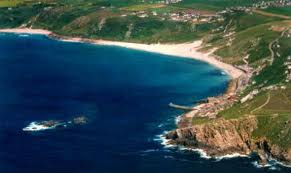
Sennen
 Inspired by my childhood family holidays in the region, Abi’s House is based around Sennen Cove in Cornwall. What better place to base a story about love, friendship, and self discovery, than by the beautiful Cornish coast?


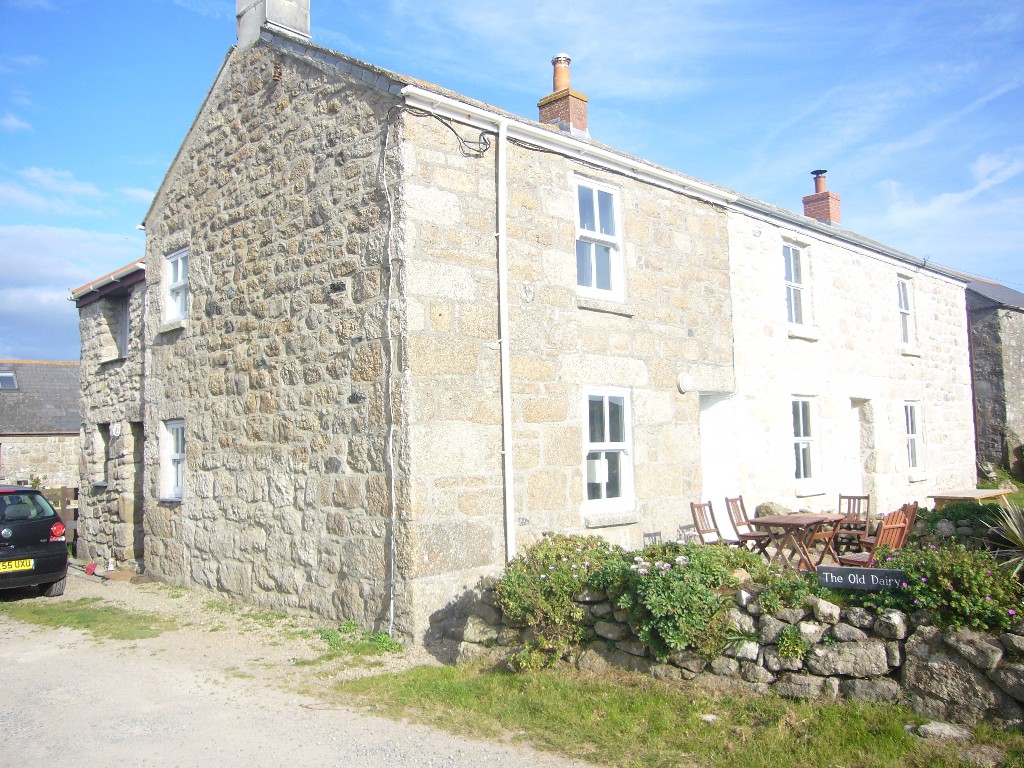
When I began to write Abi Carter’s story, this is how I imagined her dream house to look.

House for Abi- Sennen


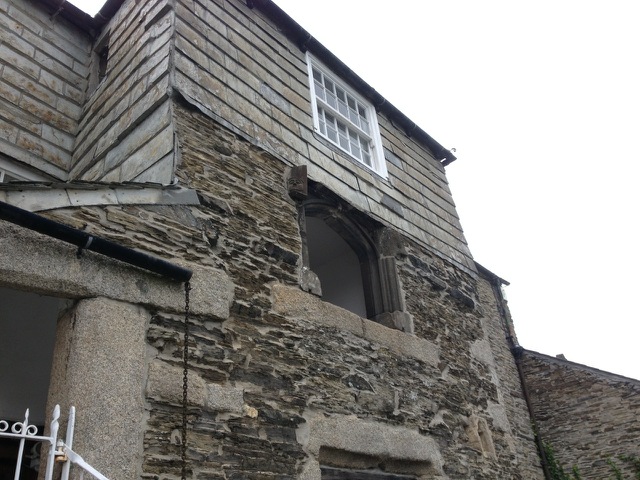
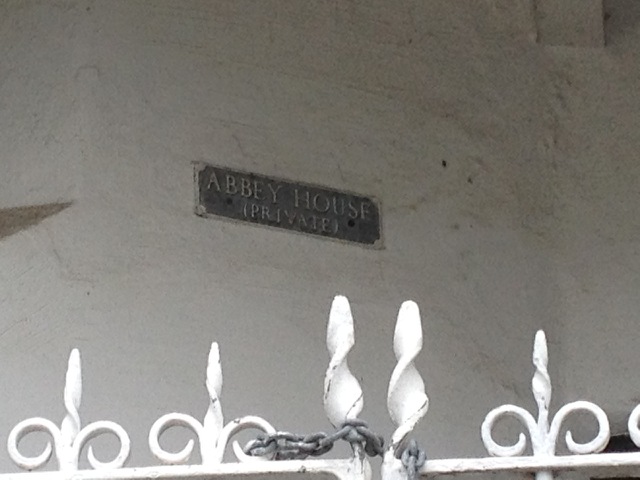
But maybe it should have be like this house in Padstow, Cornwall – a real life Abbey’s House!!

Abbey's House, Padstow 2Abbey's House, Padstow


Just check out this trailer for Abi’s House– I love it!!  – YouTube link https://youtu.be/VAumWAqsp58

I hope you enjoy your Kindle Daily Deal today!!!!

Happy reading,

Jenny xx

PS- Abi’s House is available in the US and as a paperback as well-

US Kindle link-

http://www.amazon.com/Abis-House-Jenny-Kane-ebook/dp/B00UVPPWO8/ref=sr_1_2?s=books&ie=UTF8&qid=1426711253&sr=1-2&keywords=Abi%27s+House+Jenny+Kane

Paperback-

http://www.amazon.com/Abis-House-Jenny-Kane/dp/1783753285/ref=sr_1_1?s=books&ie=UTF8&qid=1426711253&sr=1-1&keywords=Abi%27s+House+Jenny+Kane

http://www.amazon.co.uk/Abis-House-Jenny-Kane/dp/1783753285/ref=sr_1_1?s=books&ie=UTF8&qid=1426711343&sr=1-1&keywords=Abi%27s+House+Jenny+Kane


Page 18 of 27

Powered by WordPress & Theme by Anders Norén