Jenny Kane: Coffee, cupcakes, chocolate and contemporary fiction / Jennifer Ash: Medieval crime with hints of Ellis Peters and Robin Hood

Category: Fiction

An Interview with Charlotte Philips: Access All Areas

Today I have the pleasure of interviewing the lovely Charlotte Philips. So why not grab a cuppa, grab some cake, and come and put your feet up with us for five minutes…
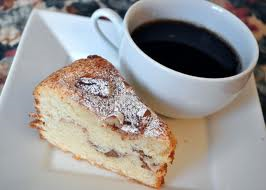
coffee and cake

What inspired you to write your book?

Access All Areas is part of a series of five books set in the same fictional boutique hotel in London, so my story brainstorming had to tie into that setting. Over the course of writing the books, the Lavington Hotel and its staff and guests have developed and now I can almost walk down the luxury hallways in my mind! I loved the idea of having a celebrity stay at the hotel with all the mayhem that could cause, and when I thought around that a bit more I came up with the idea of having a photographer as my heroine, desperate to sneak a photo of the star to sell. The hero is the Head of Security at the hotel, so he’s directly in conflict with her. Unfortunately a paparazzi photographer isn’t the most sympathetic of characters, so instead I made Anna a portrait photographer who urgently needs money to save her house. She normally does school or wedding pictures, and is completely out of her depth, plus the idea of taking unsolicited pictures doesn’t sit well with her conscience, but she’s desperate and has run out of other options

Do you prefer to plot your story or just go with the flow?

I am absolutely a plotter, and the thought of just sitting down with nothing more than an idea to go on fills me with horror! I am in awe of people who can do that. The more books I’ve written, the more I have gravitated to planning rather than going with the flow. In my early books there were moments where I crashed my head on the desk in despair because I’d written myself into a corner or I simply couldn’t see a way forward. On one occasion I had to rewrite the first third of a book because it just didn’t work, and that was a horrible, draining experience. I now spend lots of time on the planning of my books. By the time I start writing I have a full scene list, character charts, biographies, timelines, the list goes on. It isn’t set in stone – sometimes ideas come to me along the way that work better than my original plan, but as a general ballpark guide it works for me. I like the security that it provides and I believe it helps me write faster and better.

What is your writing regime?

I work on my writing Monday to Friday, although I may do bits and pieces over the weekend. Generally my routine is to drop my youngest daughter at school and spend the next two hours on my writing. After that other things have to take over. If I’m writing draft rather than planning or editing I aim for 2k words a day on weekdays, and that’s generally achievable for me in the time I have. I fit in social media wherever I can, often I’ll tweet from the car outside school or check Facebook while I’m cooking dinner. It’s all about juggling, just as it is for everyone with a family or commitments.
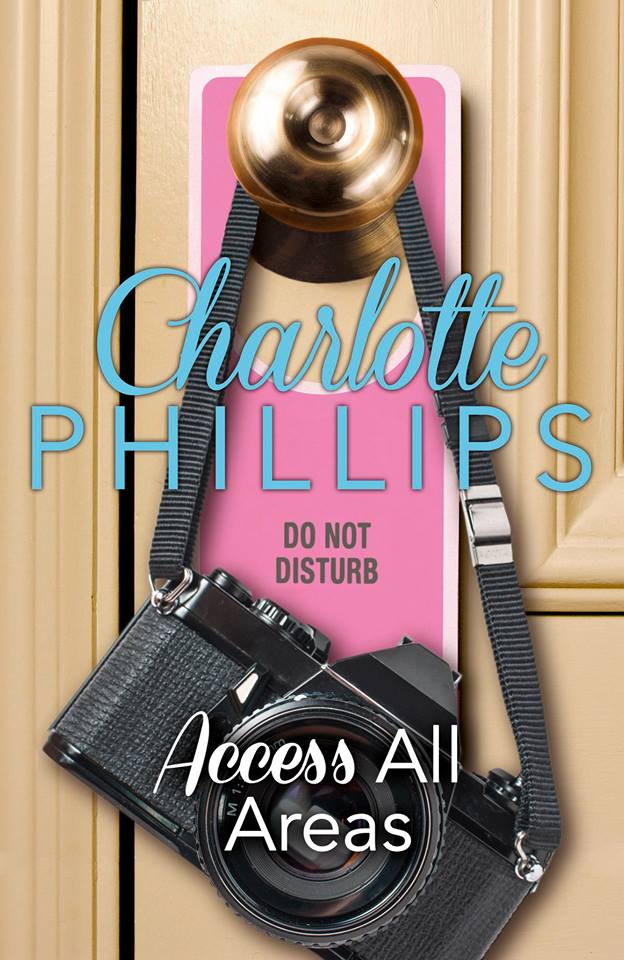
Access all areas

What excites you the most about your book?

The release of Access All Areas, and the final book in the series, Meet Me at the Honeymoon Suite, which comes out next month (June 25th), means my Do Not Disturb series is finally complete. It’s going to be so lovely to have the full set of five books available in time for summer!

Anything else you’d like to share with us?

I’m just starting to write my very first single title. Planning is in full swing and I’m currently buried in post-it notes and character charts. It’s a very exciting move forward for me but also a bit scary. Wish me luck!

***

Blurb- Access All Areas – Do Not Disturb #4

Can you hold onto the past without living in it..?

After losing her elderly parents, portrait photographer Anna will do anything to avoid losing the family home, it’s all she has left of her perfect childhood. A hot tip from a friend raises her hopes – an A-list film star is secretly staying at the Lavington Hotel, London, with her rumoured toyboy lover. A photo of them together could be the answer to all Anna’s money problems.

Unfortunately Anna is the worst paparazzi photographer on the planet and Joe, the hotel’s new head of security, back in England in his first permanent job after years of globetrotting as a bodyguard to the stars, isn’t about to allow a picture on his watch. No matter how cute the photographer might be…

***

Links

Amazon UK – http://amzn.to/1D5pIEb

Amazon US – http://amzn.to/1yJNV6t

iBooks – http://apple.co/1EiWJCV

Barnes & Noble – http://bit.ly/1FZCRPX

Google Play – http://bit.ly/1DsxHdG

***
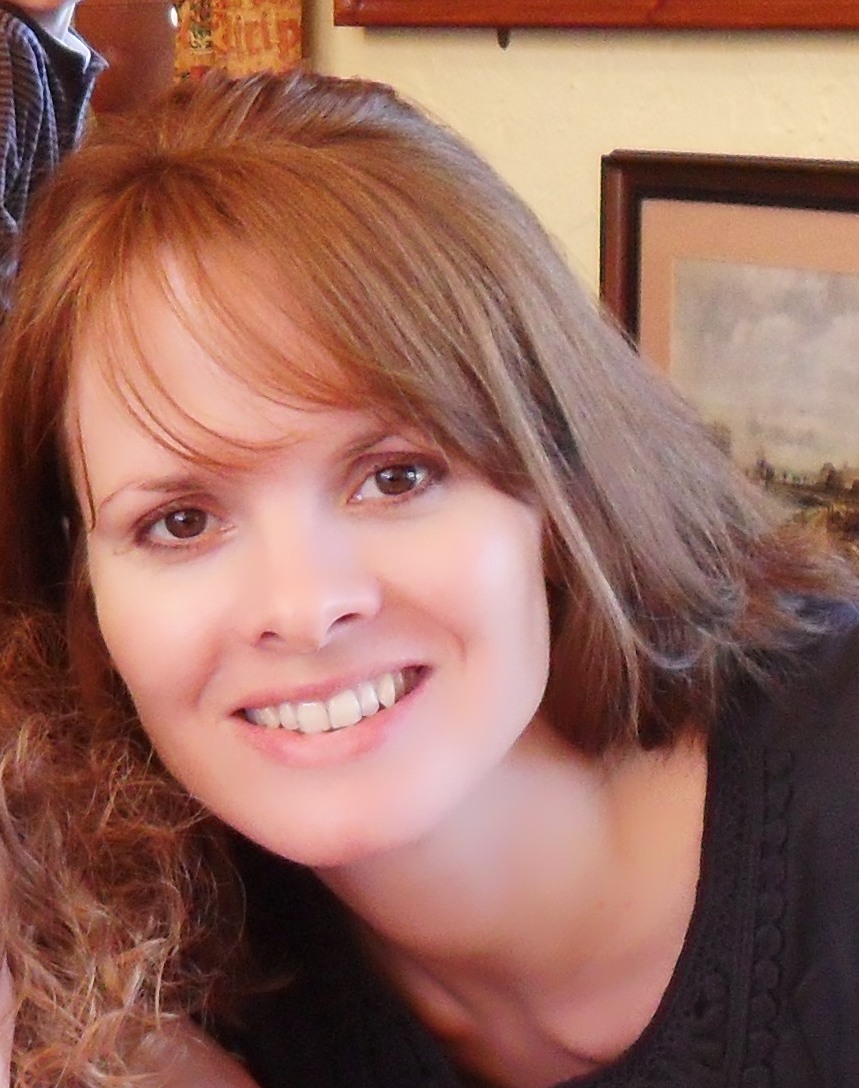
charlotteblogpic

Bio

Charlotte Phillips writes funny, sassy, sexy stories for Harlequin KISS/Mills & BOON ModernTempted and HarperImpulse.

She is also mum to three kids and a mad dachshund and terrible housewife to a heroic husband who doesn’t notice he is living in a hovel. She loves her sofa, her SkyPlus, her Apple TV and her pyjamas.

Twitter: www.twitter.com/CharPhillips_

Facebook: www.twitter.com/charlottephillipsauthor

Website: www.charlotte-phillips.blogspot.com

***

Many thanks for being interviewed for us today Charlotte! Good luck with Access all Areas.

Happy reading,

Jenny x
Novel Progress 7: Paper editing

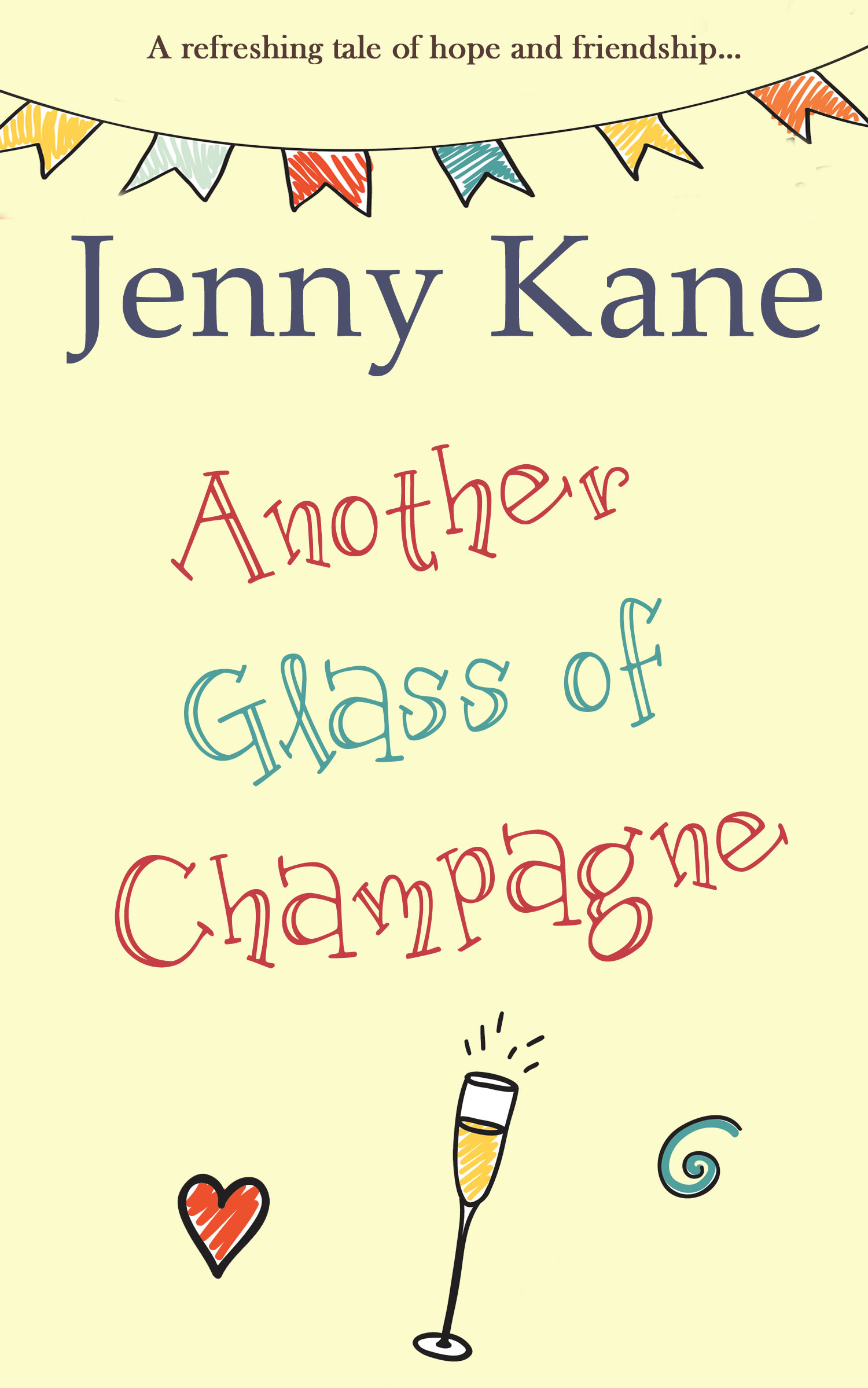
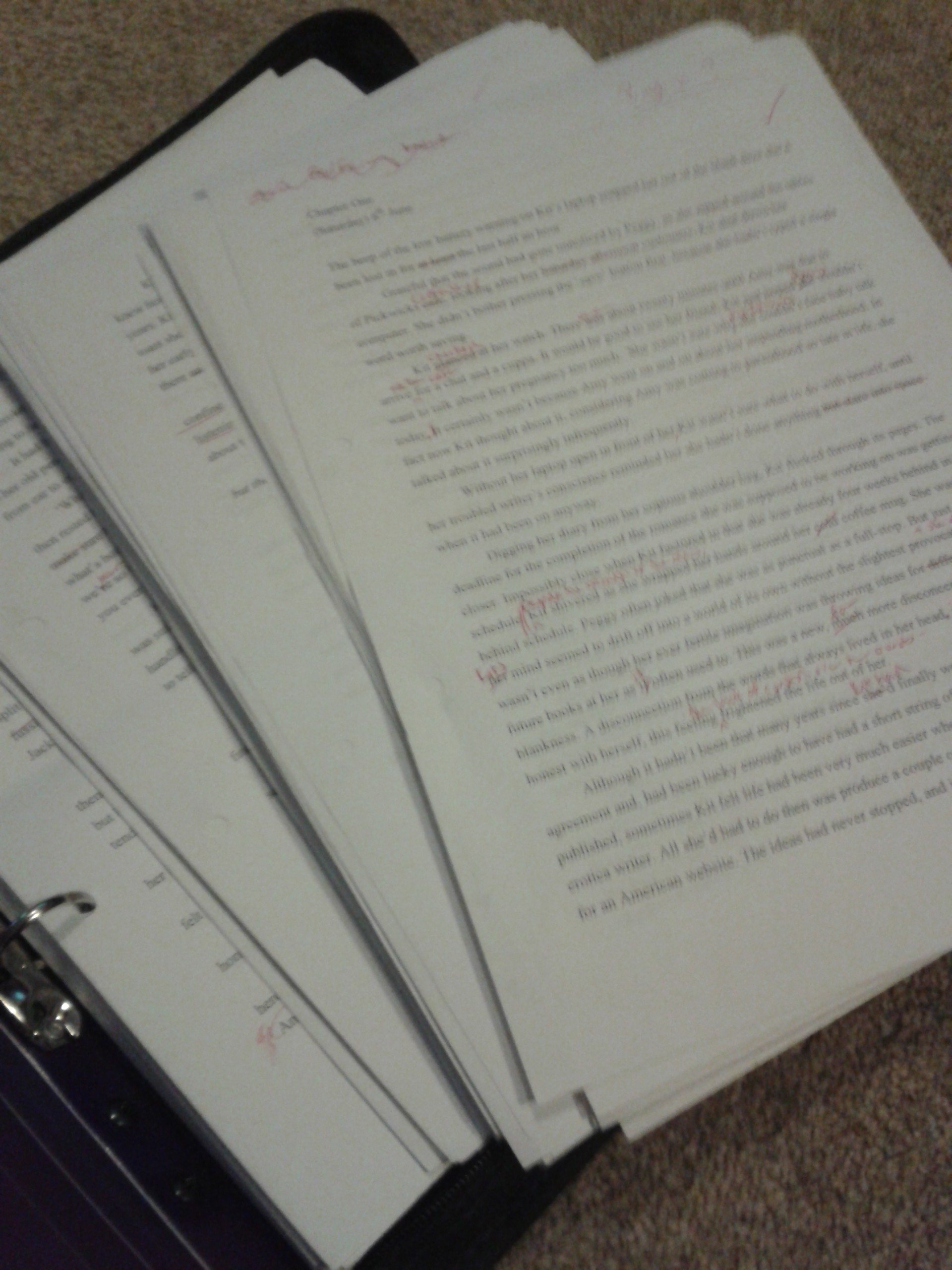
The completion of Another Glass of Champagne – the fourth part of my Another Cup of… series grows nearer!! At the moment I’m deep into the edits. For me editing a novel is a five part process-

1. Read through draft on the computer

2. Print out the draft and edit on paper

3. Type in changes and edit as I type

4. Check that there isn’t word or plot repetition

5. Final read through- out loud

Novel edited

I have just completed part two of the editing process, and I am heading into part three…while helping to run, and take part in, the Tiverton Literary Festival. I am incapable of only doing one thing at once!!

Editing at this stage of novel writing is my favourite part of the process. I just love the feeling of being almost there- of polishing it up- of making it every word count…before time runs out!

Another Glass of Champagne_edited-1

Happy reading everyone!

Jenny xx

Guest Blog from Lorna Peel: Life in Ireland during World War Two

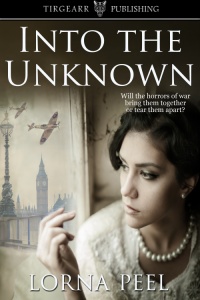
I’m delighted to welcome Lorna Peel to my blog today, as part of the blog tour for her brand new book, Into the Unknown.

Over to you Lorna…

tourbutton_intotheunknown

The Irish Free State remained neutral during ‘The Emergency’, as the Second World War was called in Ireland – the only member of the British Commonwealth to do so. An estimated seventy thousand men and women served in the British armed forces, including almost five thousand members of the Irish Defence Forces who deserted to fight.

Kate’s father, mother and grandmother lived in Co Galway on the west coast of Ireland. Kate’s father was a solicitor and despite having a good job, they couldn’t afford to be extravagant. He had a car but with petrol priced one shilling and sixpence per gallon and rationed, the car was only used to get him to and from work. By 1942, petrol was so scarce that most private cars were off the road.

During The Emergency, every person was issued with a ration book. Goods rationed included tobacco, butter, tea, sugar, flour, soap and clothing. Inside each ration book were several pages of instructions in both Irish and English followed by pages of numbered squares, either marked by the product name (Flour, Tea, etc.) or containing a letter to be used for different purchases. Space was also provided for keeping details of when, where and what was bought.

Kate’s mother had approximately four pounds per weeks for housekeeping. She cooked on a rather antiquated solid fuel range which was powered by a turf (peat) as coal was no longer available for domestic use. Overall, the Sheridans did not fare too badly as, unlike in the United Kingdom, eggs and meat were not rationed as most people had their own animals to provide these necessities. Mrs Sheridan kept chickens to produce eggs and for eating and any surplus eggs would be bartered for other commodities at the local shop, where she also bought flour for baking in eight-stone bags. In January 1941, the tea ration was two ounces per person per week, but by April it was reduced to once ounce. Like in the United Kingdom, rationing continued long after the end of the war.

Censorship of the press was rigid. Critical commentary was not allowed and no weather reports were printed so, apart from letters which were read and censored, the Sheridans would have known relatively little about the war and Kate’s part in it.

Into_The_Unknown_by_Lorna_Peel-200

BOOK GIVEAWAY!

Make sure to follow the whole tour—the more posts you visit throughout, the more chances you’ll get to enter the giveaway. The tour dates are here: http://www.writermarketing.co.uk/prpromotion/blog-tours/currently-on-tour/lorna-peel-2/

a Rafflecopter giveaway

***

Excerpt:

“You don’t know much about my family, do you?” She frowned. “I’ll tell you, seeing as we’re stuck here for the time being. My father is a solicitor in Galway but he met Mummy at a wedding here in London. They live a few miles outside Galway now, beside the sea. Granny Barbara can’t stand him and makes no secret of the fact that she thinks Mummy married beneath her. Daddy and Granny Norah are Catholic but Mummy is Church of England, and when Mummy announced she wanted to marry Daddy there was uproar. Granny Barbara and Granddad Thomas were completely against it, but Mummy and Daddy were completely for it.”

“So what happened?” Charlie asked.

“Granddad Thomas and Daddy came to an arrangement. Mummy could marry Daddy, but any children they had who were born in Ireland would be brought up Church of England, not Catholic. It’s always amazed me that Daddy agreed, but Granddad Thomas was quite frightening, from what very little I remember of him. He died when I was five, a few months after Mummy, Daddy and I were here on a visit.”

“He was,” Charlie smiled, “very Victorian in his outlook. He used to frighten the life out of me. He caught me smoking in the garden once. I was about fifteen and I can remember him bellowing at me, ‘Are you smoking a cigarette, boy? A gentleman smokes a cigar.’ He gave me a cigar and the thing almost gave me bronchitis, so I stayed with cigarettes.” He laughed. “So were you brought up Church of England?”

“I was baptised Church of Ireland, which is Anglican, too. Apparently, Daddy stood outside the church and refused to go in.” She sighed. “They really needn’t have bothered because I’ve no time for religion. Poor Mummy, she tries so hard. She’s on every committee there is, but means well, even if the locals do still call her the ‘blow-in’ after twenty-two years.”

“Why?”

“She sounds exactly like Helen and Granny Barbara—that very posh English accent—and it rubs some people up the wrong way because they think she’s putting it on. Poor Mummy; she’ll never fit in, no matter how hard she tries. Daddy’s only brother, Michael, fought in the Irish War of Independence against the British. He got shot shortly before the Truce in 1921 but didn’t die for a long, long time. Daddy paid for him to be looked after in a nursing home. I was about four when he died. That’s why Daddy is a bit, you know, about Britain. There’s no reasoning with him. Everything is all Britain’s fault, according to him, but he’s not involved in anything. I know you were wondering, Charlie,” she finished softly.

***

Blurb

London on 3 September 1939 is in upheaval. War is inevitable. Into this turmoil steps Kate Sheridan, newly arrived from Ireland to live with her aunt and uncle, and look for work. When she meets Flight Lieutenant Charlie Butler sparks fly, but he is a notorious womaniser. Should she ignore all the warnings and get involved with a ladies man whose life will be in daily danger?

Charlie Butler has no intention of getting involved with a woman. But when he meets Kate his resolve is shattered. Should he allow his heart to rule his head and fall for a nineteen-year-old Irish girl while there is a war to fight?

Private conflicts and personal doubts are soon overshadowed. Will the horrors of war bring Kate and Charlie together or tear them apart?

***

Buy Links

Amazon UK – http://www.amazon.co.uk/dp/B00UAY719Y

Amazon US – http://amzn.com/B00UAY719Y

iBooks UK – https://itunes.apple.com/gb/book/id974054282?mt=11

iBooks US – https://itunes.apple.com/us/book/into-the-unknown/id974054282

Smashwords – https://www.smashwords.com/books/view/525040

Kobo – https://store.kobobooks.com/en-US/ebook/into-the-unknown-10

Nook UK – http://www.nook.com/gb/ebooks/into-the-unknown-by-lorna-peel/2940046616323

Barnes and Noble – http://www.barnesandnoble.com/w/books/1121346684

***

Author Bio and Links

Lorna Peel is an author of contemporary and historical romantic fiction. She has had work published in three Irish magazines – historical articles on The Stone of Scone in ‘Ireland’s Own’, on The Irish Potato Famine in the ‘Leitrim Guardian’ – and Lucy’s Lesson, a contemporary short story in ‘Woman’s Way’.

Her first novel, Only You, a contemporary romance, was published in 2014. Into The Unknown, an historical novel set during WWII, will be published on 5 May 2015.

Lorna was born in England and lived in North Wales until her family moved to Ireland to become farmers, which is a book in itself! She lives in rural Ireland, where she write, researches her family history, and grows fruit and vegetables. She also keeps chickens (and a Guinea Hen who now thinks she’s a chicken!).

http://lornapeel.com

http://twitter.com/PeelLorna

http://www.facebook.com/LornaPeelAuthor

http://pinterest.com/lornapeel

http://www.goodreads.com/LornaPeel

http://www.tsu.co/lornapeelauthor

https://plus.google.com/+LornaPeel

Thank you for hosting me, Jenny!

***

Many thanks for dropping by today Lorna,

Good luck on your blog tour,

Jenny xx

WMS_blogtour


Tiverton Literary Festival: Cupcakes, Crime, Poetry, & Romance at The Oak Room

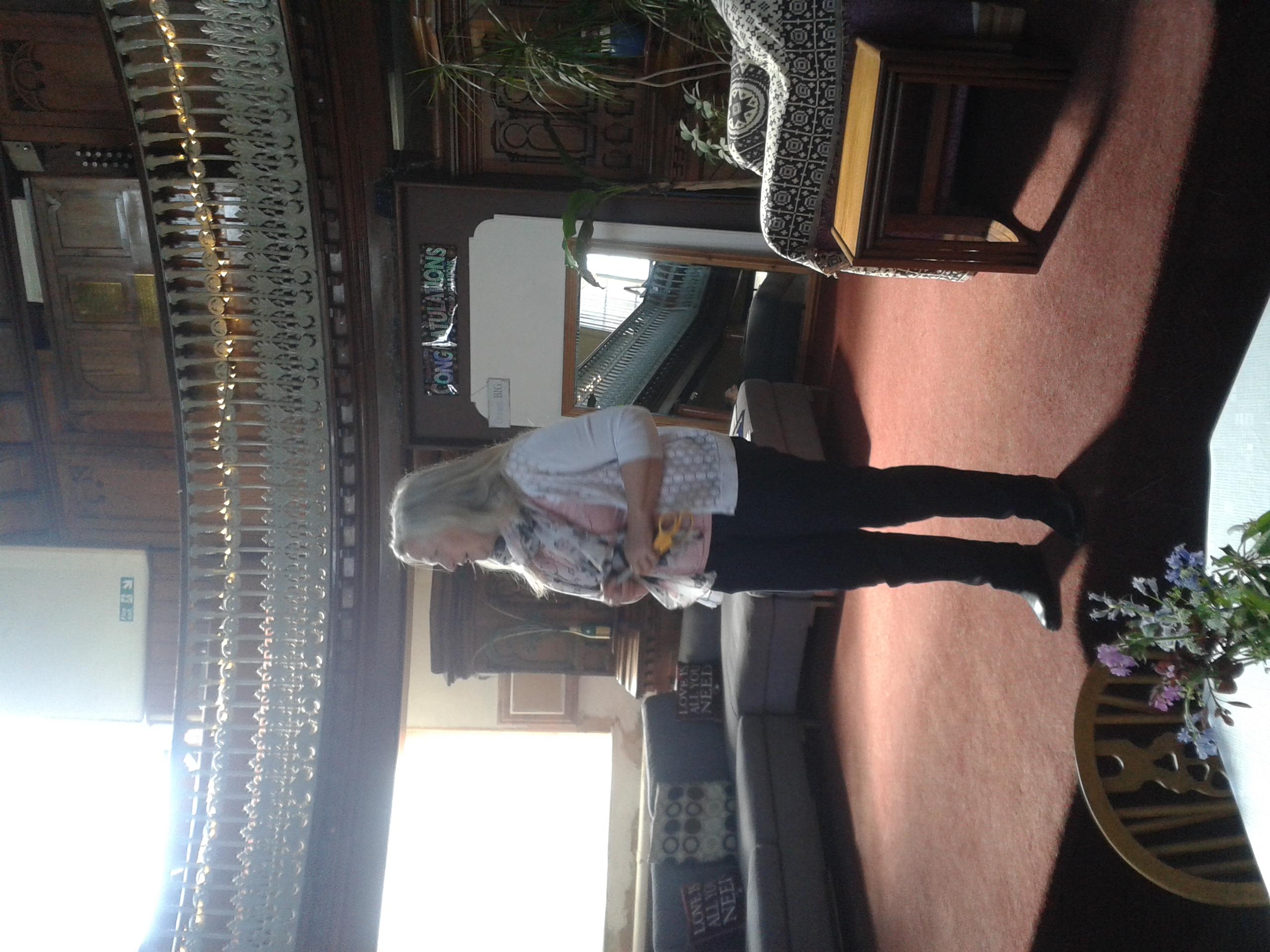
Today I had the great pleasure of attending the official opening of a brand new venue in Tiverton, Devon- The Oak Room – which will be the prime location for the Tiverton Literary Festival. (3rd -7th June)

Oak Room 3

A converted church, there has been a church on the site of The Oak Room since 166o. The current building, made of imposing limestone, was built in 1831. It was used as a United Reformed Church until 2012, when the church was put up for sale. In 2014 Sue Searle, bought the church with a view to converting it into a café, art gallery and events venue- and she has done an amazing job!!

Sue Searle on the Oak Room stage

Sue Searle on the Oak Room stage

Why not come along on 3rd June and join the Cupcakes and Romance panel? With a cupcake to hand, come and listen to bestselling authors Julie Cohen (Where Love Lies), Alison Rose, (Off the Record), and Rachel Brimble (What a Woman Desires), chat to me about their work, their writing, and their inspiration. You’ll have the opportunity to ask questions of your own, and find out just what makes their imaginations spark a heart warming tale.

Julie Cohen

Julie Cohen

Or perhaps you fancy sipping a latte while listening to some of the countries best crime writers?

Simon Hall

Simon Hall

Poet and journalist Paul Mortimer, will be hosting an hour of murder, suspense and dodgy dealings, as bestselling crime writers, Simon Hall (The TV Detective Novels), Nicola Upson (The Josephine Tey novels) and Clare Donoghue (The Watcher), talk about committing crimes via the pen and computer keyboard. There will be a chance to ask your own questions, enjoy refreshments, and purchase some books.

Oak Room 4

Coffee at The Oak Room

Paul Mortimer will also be at the Oak Room for an evening of outstanding and award winning poetry from the Poetry Café and Junction 25 team.

poetry cafe

On Thursday 4th June join award winning and, bestselling author, Michael Jecks, for a light hearted look at the life of a writer. Reflecting on a career spent with one foot in the Fourteenth Century fighting the Hundred Year’s War (often with murderous intent never far behind), and the other foot in Devon, scribbling words at high speed, Michael raises a glass to a life only half lived in reality. With a talk entitled ’20 Writing Questions’ I can guarantee an evening of smiles!!

Michael Jecks

Michael Jecks

There are many many more literary events being held at The Oak Room, and throughout Tiverton town as a whole, between 3rd and 7th June- just checkout the web site for details www.tivlitfest.co.uk

tivvibadge_websiteThe Oak Room

Tickets are available from www.tivlitfest.co.uk , or from Tiverton Library, Reapers Wholefoods on Bampton Street, and Majestic Wines, Tiverton.

Hope to see you there!!

Jenny xx


Guest Post from Jennifer Young: Looking For Charlotte Blog Tour

I’m delighted to be able to welcome Jennifer Young to my site today, as part of her blog tour for her new release, Looking For Charlotte.

Over to you Jennifer…

tourbutton_lookingforcharlotte


About the Journey: Looking For Charlotte

They say there are only seven basic plots. I have a book about that, in fact, but as it’s almost 700 pages long and I’m time-poor I haven’t yet got round to reading it. But everyone who has (well done, by the way) tells me that it’s true and there’s nothing original in this world.

I didn’t deliberately set out to pick one of those seven, though I have done in the past. As it happens, though, my latest book, Looking For Charlotte, fits more closely to an obvious plot device than anything I’ve ever attempted, even the variations-on-a-theme-by-Shakespeare trilogy that I’m working on (the theme is Romeo and Juliet, since you ask).

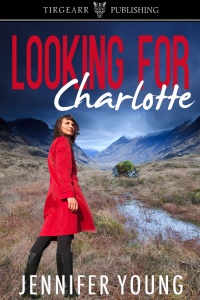
Looking For Charlotte by Jennifer Young

The clue is in the name. Looking For Charlotte is a journey or, as it’s referred to in the book, a quest. ‘Quest’ is a wonderful, evocative word, old-fashioned to the point of medieval, bringing to mind knights on noble steeds undertaking challenges set for them by mistresses or magicians, with the ultimate objective (in which they pretty much always succeed) of winning the hand of a fair lady.

The quest which my very modern heroine, Flora, undertakes isn’t one laid on her by a wicked witch, or even something she has to do to save her relationship, win promotion or achieve fame (all of which are perfectly worthy objectives). It’s much deeper than that, and it’s also entirely self-imposed.

When Flora sees on the news the story of a toddler abducted and almost certainly murdered by her father (who then killed himself) her reaction is to take up the search for the child where the police have given up. No-one makes her do it. No-one forces her to go out looking for a lonely grave, puts the spade in the boot of the car and hands her the key, points a dramatic finger and says to her: ‘Go’.

So why does she go? It’s partly to absolve her own guilt at mistakes she’s made in the past. It’s partly to do good to someone else, a stranger. Personally she has nothing not gain from it but yet she goes, undertaking a journey which is both physical and emotional. And when it ends, on a moor in the wild north-east of Scotland on a wild-weather day to the accompaniment of birdsong, the story ends.

In success, or in failure? That’s for me to know and you, if you wish, to find out. Read on…

Excerpt

They parted just beyond the bridge across the Ness, Grace heading up the pedestrian streets and Flora cutting across to the library, fronted by the long line of cars full of Saturday shoppers manoeuvering towards the car parks. She wasn’t a regular library user, but once the idea had taken her she remembered that there was something she wanted to check.

In the reference section, she stood for a moment before selecting the Ordnance Survey map that covered the area south of Ullapool. She knew it quite well. When the children were young they’d gone walking there regularly, able to reach the open spaces without pushing the slowest (usually Amelia, though Beth was the youngest) too hard. They’d graduated to more difficult walks, then stopped walking altogether. Eventually she had developed a fondness for the slightly less bleak terrain to the south of Inverness, where she went occasionally with Philip and his brother, or with a colleague from work. She hadn’t been out all year, not since before Christmas, in fact, and even then they’d been rained off not very far in and driven back to the comfort of a tea shop in Grantown-on-Spey.

A nostalgic yearning for a good long walk swept over her as she unfolded the map and smoothed it out across one of the desks. She and Danny used to look at maps together plotting their routes. His stubby forefinger, with its bitten nails, had traced the most challenging route to start, sliding along the steep and craggy ridges until he remembered the children and reluctantly redrew, shorter, safer.

She thought she knew the place where Alastair Anderson had left his car, and found it easily enough. Under her fingers the map was a flat web of never-parallel lines, of ugly pock-marking that told of steep, loose rocks and inhospitable terrain, just the type of place they used to walk. Somewhere up here, Charlotte Anderson was buried. Carried there, already dead? Or walked there and then killed? Surely neither was realistic; surely they would have found her, with their dogs and their mountain rescue helicopters scouring the ground for new scars, and all the rest of the equipment they had at their disposal.

Looking at the map had been a mistake. It was obvious now. Besides, she couldn’t see it any more; all she could see was the image of Suzanne Beauchamp, that beautiful face with the cold façade, like a wax death mask from Madame Tussauds. More poignant, of course, since it must hide a struggle, a struggle to conceal or to suppress a deadly mixture of grief and guilt.

‘Go away!’ she said softly to this mirage of a grieving woman, a little afraid of its power. ‘Go away!’ And then, in the only defence left to her, she began to fold the map away…

****

Blurb

Divorced and lonely, Flora Wilson is distraught when she hears news of the death of little Charlotte Anderson. Charlotte’s father killed her and then himself, and although he left a letter with clues to her grave, his two-year-old daughter still hasn’t been found. Convinced that she failed her own children, now grown up and seldom at home, Flora embarks on a quest to find Charlotte’s body to give the child’s mother closure, believing that by doing so she can somehow atone for her own failings.

As she hunts in winter through the remote moors of the Scottish Highlands, her obsession comes to challenge the very fabric of her life — her job, her friendship with her colleague Philip Metcalfe, and her relationships with her three children.

***

GIVEAWAY!

Make sure to follow the whole tour—the more posts you visit throughout, the more chances you’ll get to enter the giveaway. The tour dates are here: http://www.writermarketing.co.uk/prpromotion/blog-tours/currently-on-tour/jennifer-young-2/

a Rafflecopter giveaway

***

Buy Links

Tirgearr Publishing

http://tirgearrpublishing.com/authors/Young_Jennifer/looking-for-charlotte.htm

Amazon UK

http://amzn.to/1D7pNY6

Amazon US

http://amzn.to/1JmAwBR

Smashwords

https://www.smashwords.com/books/view/526032?ref=cw1985

Author bio

I live in Edinburgh and I write romance and contemporary women’s fiction. I’ve been writing all my life and my first book was published in February 2014, though I’ve had short stories published before then. The thing that runs through all my writing is an interest in the world around me. I love travel and geography and the locations of my stories is always important to me. And of course I love reading — anything and everything.

Links

Facebook

https://www.facebook.com/jenniferyoungauthor

Twitter

@JYnovelist

Website

http://www.jenniferyoungauthor.com/

***

Many thanks for visiting today Jennifer. Good luck with the rest of the tour!!

Don’t forget the giveaway folks!!

Happy reading,

Jenny xx

WMS_blogtour


Robin Hood: A Very Mini Medieval and Tudor Ballad History

I admit it- I had a lot of fun writing my latest novel, Romancing Robin Hood. It gave me the chance to take a self indulgent trip down memory lane, and dig out all my PhD notes on the ballad history behind the Robin Hood legend. Although my novel is a modern contemporary romance, it also contains a second story- a medieval mystery which has more than a hint of the Robin Hood’s about it.

The earliest balladeers sang tales of Robin Hood long before they were written down, and audiences through history have all had different ideas of what Robin Hood was like in word, action, and appearance. Every writer, film maker, and poet ever since the first tales were spoken, has adapted the outlaw figure to fit their own imagination.

Lytell Geste

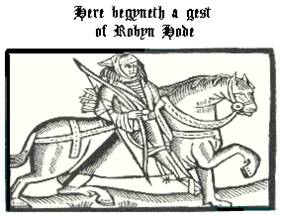
The Lytell Geste of Robyn Hode


The earliest mention found (to date), of the name Robin Hood appears in the poem The Vision of Piers Plowman, which was written by William Langland in c.1377.

A long ballad, Piers Plowman was a protest against the harsh conditions endured by the poor in the Fourteen Century. Not only did it mention Robin Hood, but makes reference to he outlaw gang, the Folvilles, who research suggests were an influence on those whose exploits wrote the Robin Hood ballads.


“And some ryde and to recovere that unrightfully was wonne:

He wised hem wynne it ayein wightnesses of handes,

And fecchen it from false men with Folvyles lawes.”

The Folville family were incredibly dangerous, influential, and had great impact on the Midlands of the UK in the Fourteenth Century. I’ll be introducing this family of brothers to you properly very soon; for they are something of an obsession for historian Dr Grace Harper- the lead character in Romancing Robin Hood.

RH and the monk

Robin Hood and the Monk


In 1450 the earliest single short ballad, Robin Hood and the Monk, was committed to paper, but it wasn’t until 1510 that the original story (Lytell Geste of Robyn Hode), was recorded in its entirety.

With the arrival of the printing press in Tudor and Elizabethan times, all of the most popular stories we recognise today were recorded for prosperity. Some of these stories had medieval roots, but many were were brand new pieces. The Tudor audience was as keen for fresh tales containing their favourite heroes as we are today. These ‘new’ tales included Robin Hood and Gisborne (c.1500) and Robin Hood and the Curtal Friar (c.1550) – who became known as Friar Tuck.

The Tudors loved the stories of Robin Hood. He was more popular then than he is now. Tudor documents are littered with mentions of Robin Hood’s all over Britain. For example-

– in 1497 Roger Marshall called himself Robin Hood, and lead a riot of 200 men in Staffordshire.

– in 1509, ten Robin Hood plays were banned in Exeter by the city council, as they had become a public nuisance.

Robin Hood’s most famous Tudor fan was Henry VIII himself. In fact, apart from hunting, eating, and getting married, Henry’s favourite hobby was acting. Sometimes he dressed up as Robin Hood. The king would wear a mask, and his audience had to pretend they didn’t know it was him, and had to look surprised when he revealed his true identity at the end of the play.

In 1510 Henry VIII and eleven of his nobles dressed as Robin Hood and broke into the Queen’s private rooms, apparently giving her the fright of her life! (Up to that point anyway!)

Thank you for letting me share a little of my Robin Hood passion with you today- be warned, there will be more on the subject very soon….

Romancing Robin Hood is available now on Nook, Kobo, Kindle and in paperback from all good retailers, including-

http://www.amazon.co.uk/Romancing-Robin-Hood-Jenny-Kane-ebook/dp/B00M4838S2/ref=sr_1_1?ie=UTF8&qid=1407428558&sr=8-1&keywords=romancing+robin+hood

Happy reading,

Jenny xx

Another Cup of Coffee Character Profile- Amy Crane

Let’s get the low down on Miss Amy Crane…


Age– 34

Hair– Blonde, long, straight

Eyes – Blue

Employment– was a business growth advisor in Scotland, before leaving her job in search of a new life in England.

Relationship Status – Single- for absolutely ages (one broken heart was enough)

Characteristics– shy, clever, lacking self-confidence, determined, kind, forgiving- some might say, too forgiving…

****

Shrugging off her khaki jacket, Amy bent to pick up the pile of post that lay waiting on her doormat. As her hand reached to retrieve the small brown package half-buried beneath some junk mail, Amy froze. She knew that handwriting. She also had a funny feeling that she knew what was going to be inside.

But why return it now, after all these years?

The poorly-wrapped parcel broke open as her fingers fumbled at the sticky tape, and a music cassette slipped into her hands. The cover was unmarked, just as it had been when he’d taken it from her. Amy stared, disbelieving, the blood draining from her already pale face…

****

cassette

Fifteen years ago Amy Crane was a shy but happy-go-lucky archaeology student.

Fourteen years ago Amy met Jack.

Thirteen years ago Amy ran away. 600 miles away. From England to Scotland.

Now, spurred on by an unexpected arrival in the post, Amy realises she doesn’t want to hide any more.

Fed up with her job, missing her university friends, and disappointed in her own feeble behaviour, Amy finds the courage to face the ghost of her past and forge a future.

Armed with her mantra, New Life, new job, new home- which she repeats to herself over and over again, Amy Crane leaves her job, leaves her rented flat, and with more courage than she’s shown in years, heads south…


Find out more about Amy in Another Cup of Coffee…coming soon…

Jenny xx


Page 72 of 72

Powered by WordPress & Theme by Anders Norén