Jenny Kane: Coffee, cupcakes, chocolate and contemporary fiction / Jennifer Ash: Medieval crime with hints of Ellis Peters and Robin Hood

Tag: writing Page 23 of 27

Interview with Julie Frayn: Mazie Baby

I’m am delighted to welcome a new voice to my blog today today. All the way from Canada, the lovely Julie Frayn is answering questions about her hit novel, Mazie Baby. Julie is also giving you the chance to buy her novel at a bargain price!!

Let’s dive in with the first question!
Mazie_Baby

What inspired you to write your book?

The first inspiration came from a flash of a scene. Just scissors sticking out of a man’s thigh. While I wrote it, the faces of women I know have been abused kept popping into my head, including one woman who was murdered by her husband before he committed suicide. I hadn’t intended to write an abuse victim’s manifesto, but that seems to be how it is being received.

What type of research did you have to do for your book?

So much research! I read true stories of domestic abuse, studied the stages of abuse, and of grief. There was research into the Canadian legal system. My brother is a police officer, so he was a great resource, and a friend introduced me to a Crown Prosecutor who helped me get the trial details right. I am grateful to them, and to the Google Gods as well.

Which Point of View do you prefer to write in and why?

I write in third person deep POV. Deep means you do away with the ‘he thought’ and ‘she wondered’ and just state their thoughts. You are inside their head, but it’s not first person narrative.

Do you prefer to plot your story or just go with the flow?

I’m a pantser. I go along for whatever ride my characters take me on.

What excites you the most about your book?

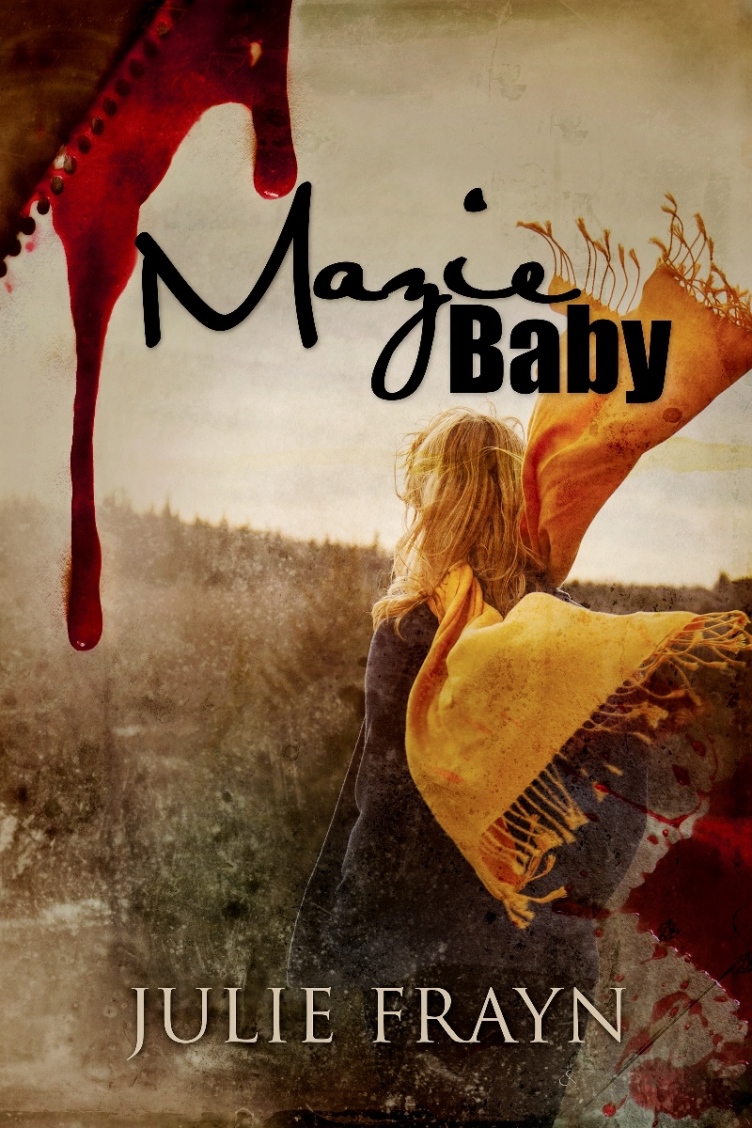
The honesty with which the tale is told – an ‘unflinching eye,’ as another author has termed it. Also, the enthusiasm with which it is being received. And of course, the cover. My sister, Carolyn Frayn, created the cover while undergoing chemotherapy (for the second time). She made the blood from beet juice and corn syrup, and used my daughter as the model for Mazie. It’s a beautiful, and very personal cover.

Anything else you’d like to share with us?

Mazie Baby is on sale from March 5 – 11 for $1.99 (regularly $2.99). I think that translates to about £1.29, normally £1.94. Sending out a huge thanks to UK readers who have really taken a shine to the story.

Links

Amazon US http://www.amazon.com/Mazie-Baby-Julie-Frayn-ebook/dp/B00KGMJ79M

Amazon UK http://www.amazon.co.uk/Mazie-Baby-Julie-Frayn-ebook/dp/B00KGMJ79M
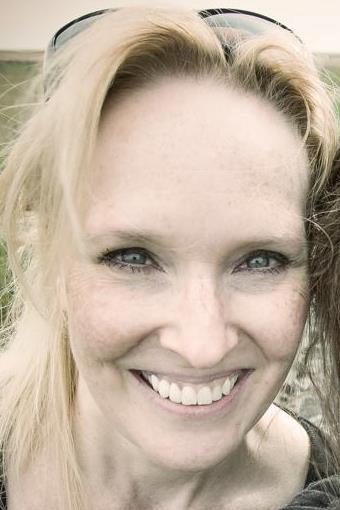
Julie Frayn

Bio

Julie Frayn pens award-winning novels and short stories that pack a punch. And a few stabs. She has published three novels and two short, short story collections. Suicide City, a Love Story won two gold medals in the 2013 Authorsdb cover contest, It Isn’t Cheating if He’s Dead won the Books and Pals 2014 Readers’ Choice award for women’s fiction, and Mazie Baby was named to three Best of 2014 lists by Suspense Magazine, IndieReader.com, and Readfree.ly.

A bean counter by day, Julie revels in the written word. When she is not working or writing, she spends as much time as possible with her two children (grown adults, really), while they still think she’s cool.

Social links:

Website/blog: http://www.juliefrayn.com

Twitter: http://www.twitter.com/JulieFrayn

Facebook:   http://www.facebook.com/juliebirdfrayn

Google+ : https://plus.google.com/+JulieFrayn

Pinterest: https://www.pinterest.com/juliefrayn/

Amazon: http://www.amazon.com/author/juliefrayn

***

Many thanks for coming by today Julie! Great interview. Don’t forget to grab your BARGAIN priced copy of Mazie Baby folks!

Happy reading,

Jenny xx
 

Pondering my female influences: International Women’s Day

Recently I was asked this question- one I honestly hadn’t considered in much depth before…

How have the women in your life affected your identity or style as a writer, and in what ways?

As it is International Women’s Day, I thought now as a good time to think about an answer!

Officially, I have been a writer for the past ten years. Deep down however, I suspect I have always been a writer; I have certainly always been a creative person. How could I not be, when I was influenced from childhood by both of my grandmothers who were both physically incapable of doing nothing, and had imaginations that would have made Roald Dahl proud?

From a very early age I remember watching my maternal Nan performing plays, poems, and comedy sketches on stage for the WI, all of which she’d written herself.

I vividly recall sitting in the audience of one charity production where my Nan’s poem, ‘Hats’ was performed to shrieks of laughter and delight. I was only ten years old, and as I sat and laughed alongside the rest thinking how wonderful it would be to be able to make people happy like that- if only I wasn’t so shy…

hats

My paternal Nan on the other hand, was a knitter extraordinaire. There was literally nothing she couldn’t produce out of wool with just the aid of a pair of needles and a decent drama to watch on the TV at the same time. I never saw her glance at what she was knitting, and I certainly never saw a pattern. The jumpers, gloves, toys, or whatever she was making, seemed to magically appear at a speed that would be the envy of any conjurer.

Both my grandmothers loved to read, but neither of them had any time for books that contained waffle. If a story didn’t grab them instantly it was jammed back onto the library shelf before the second page got so much as dabbed with a damp finger.

knitting

Standing in Princes Risborough, getting restless while book after book was dismissed with the words “If you ever write a book, make sure you get to the point faster than this lot!” ringing in my ears became a regular feature of my grandparental visits. This advice stayed with me, and I have always made an effort to grab my reader’s attention before the end of the first chapter. I have to confess, that as a reader, I’m now just as picky as my Nan’s were. I am notoriously hard to please!

A love of words, crosswords, and word puzzles in general- usually completed at a coffee shop table with my Nan- was something that was very much part of my childhood. This love of words and puzzles was inherited by my Mum, and has been passed on to me as well. It is perhaps not surprising then, that as I spent a great deal of my childhood (and indeed my adulthood) playing with words in cafes, I ended up writing a series of stories set in the fictional Pickwicks Coffee Shop. (Another Cup of Coffee, Another Cup of Christmas, Christmas in the Cotswolds, and Another Glass of Champagne)

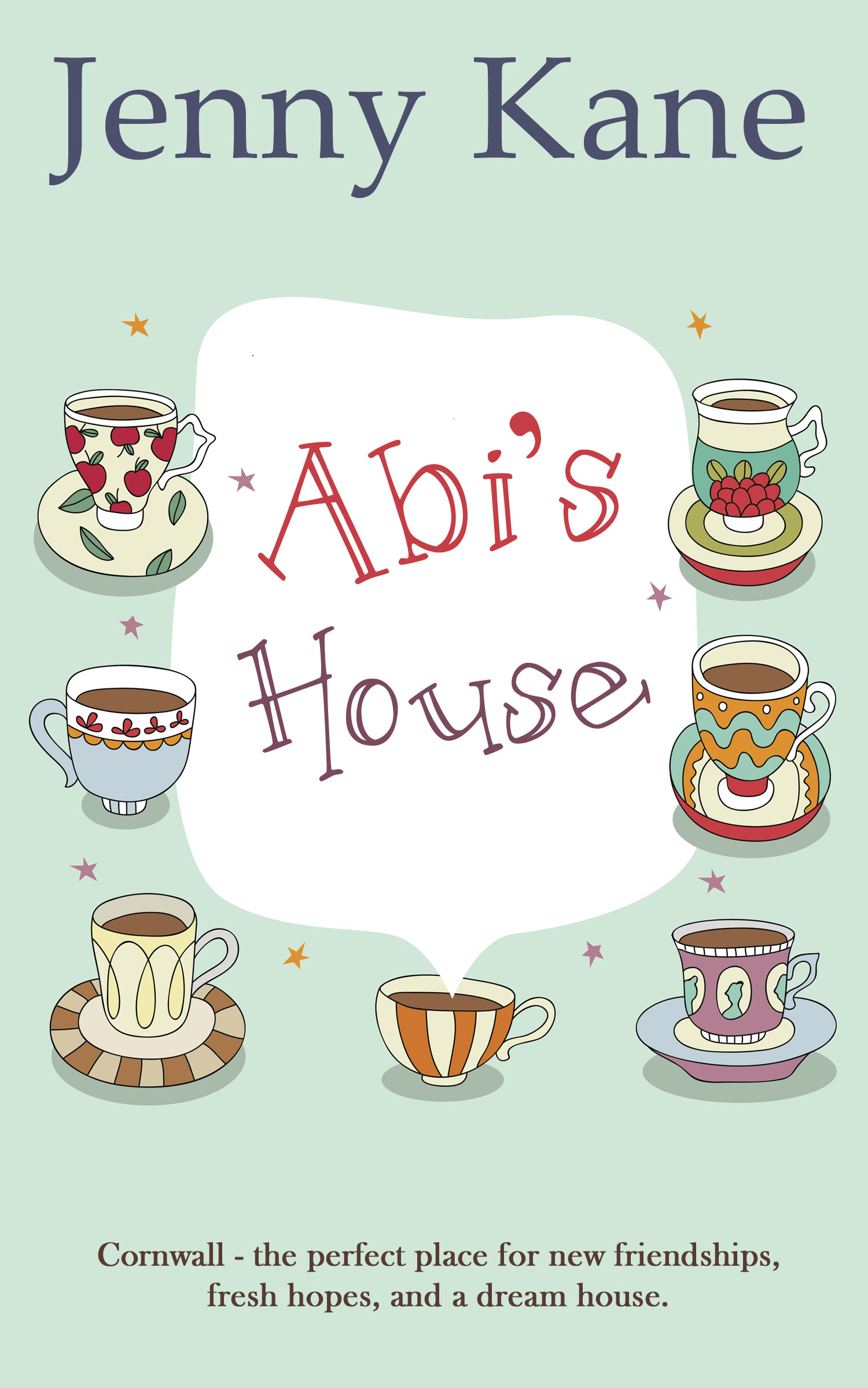
My latest novel, Abi’s House (pub. Accent Press, June 2015), was written in dedication to my grandparents. Set in the Sennen Cove area of Cornwall, Abi (recently arrived from London), creates a new life for herself not far from Penzance, where my paternal grandparents lived.

Abi's House_edited-1

On Abi’s arrival in Cornwall, she meets Beth, a young woman who has recently inherited her grandfather’s cobblers shop. My maternal grandmother’s family owns Wainwright’s Shoe Shops in Buckinghamshire, where I spent many hours with both my Nan and my Grandad, who was the company’s chief cobbler!

Both of my grandmothers influenced my writing, and the way I approach the production of my stories, more than they ever knew. Their creativity and encouragement (my maternal Nan was forever telling me I’m make my mark on the world with words, long before I even contemplated trying my hand as a writer), has carried on into the next generation, with my Mum, an excellent artist and needlewoman, cheering me on.

And now, proving that the creative gene is strong on the female side of my family, my daughters have picked up the baton, and both had poetry of their own published before either of them reached their teens.

Happy reading,

Jenny xx


Novel Progress 4: Halfway House!

The workers and customers of the Pickwicks Coffee Shop in Richmond, are once again grabbing life by the throat, and banding together- or not- to tackle what fate had thrown in their way.

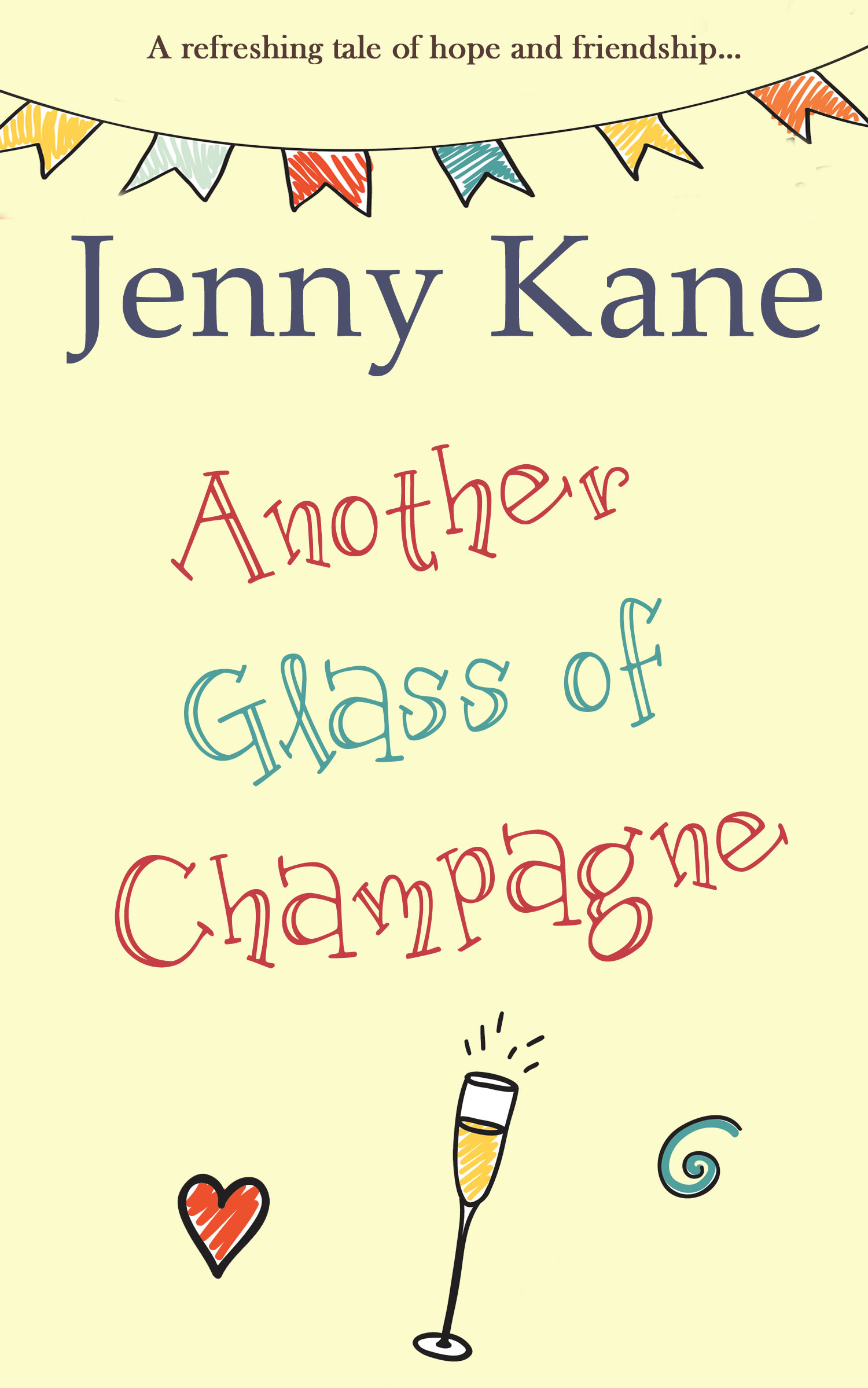
Another Glass of Champagne_edited-1

I’m 50k into my latest novel, Another Glass of Champagne, and everyone involved is literally in mid-saga. Of course, I am not about to give you even the slightest spoiler- but I think I won’t be ruining anything by telling you that at this point in the proceedings, Amy, Kit Jack, Peggy and Scott are all running true to form- especially Jack!

When I finished writing Another Cup of Coffee I was surprised that it was Jack, more than any of the other characters, that my readers wanted me to write more about. I’ve had numerous requests in the past, concerning other novels, for sequel stories about various female characters- wanting me to give them their own happy ever afters- but I had never had any requests for that for a male character- until Jack.

Another Cup of Coffee - New cover 2015

In Another Glass of Champagne, I’ve given Jack a little more time in the limelight… but I’m not telling you why or how… and at this moment in time, I have no idea if he’ll get his happy ending or not! I only ever plan the first half of a novel- after that, I like the characters to lead the way. I like to be as surprised by what happens as any of my potential readership.

With only the last half of the draft to go, I find the words are coming faster, the sentences are flowing, and the clock is ticking…I need to have the draft complete by the beginning of April if I’m to remain on target.

So, if you’ll excuse me, it’s time to put the coffee machine on and hit the next chapter…

Happy reading,

Jenny xx


Guest Post from Gilli Allan: Art and Writing

Today I have another wonderful guest blog for you. Please welcome the brilliant Gilli Allan…

Art and Writing

At primary school, when asked “What do you want to be when you grow up,” I know I amused my teacher by responding “A commercial artist”. I was only 6 and she was probably expecting “ballet dancer” or “princess”. My father was a commercial artist, and from my earliest childhood I was encouraged to draw, and told I was good at art. So, to me, my answer to Miss Lawrence’s question was entirely unremarkable.

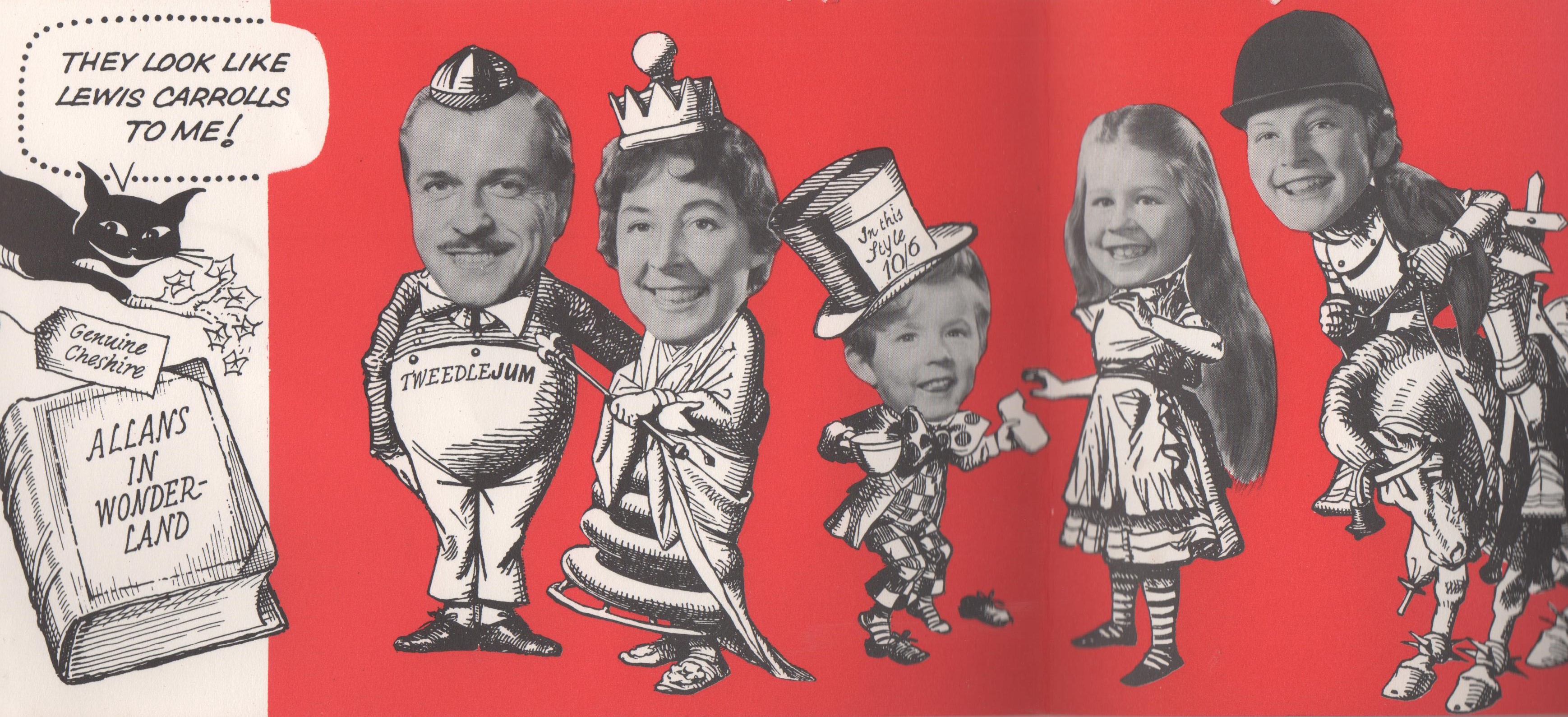
In those days, in the advertising industry, it was common to design your own Christmas card. As art director of an Ad Agency, and with his honour to maintain, my father felt he needed to step up to the plate in this regard. But his was a very high pressure and stressful job, and the extra work the production of the family Christmas card entailed was an annual nightmare. Aged 16, and just enrolled at art school, I offered to unburden him. I have done it ever since.

G Allen- Lewis Carroll

It wasn’t just the extra work, it was dreaming up the idea every year, which gave my dad the headache. “Six jolly Christmas carols to greet you” is the message on the front. Inside – in this cropped version of the complete card – I am Alice (aged around 7 or 8).

Early in the New Year my sister asked me if I’d based the Father Christmas in my 2014 card on our late father who, in his mature years, sported a white beard. I know what she means. There is a resemblance. But, no, I hadn’t based my Father Christmas on anyone. I don’t have a fully formed image in my mind when I start drawing. I may have a general idea – the joke I am planning to illustrate – but the execution of the design is organic. I put pencil to paper and just start. The result sometimes surprises me as much as it surprises other people.

G Allen- A Likely Story

My 2014 card, with a Father Christmas who, entirely accidentally, looks like my old dad

As I was rambling on to my sister, it occurred to me that this is exactly how I approach writing a novel. I can’t force it. I’m incapable, before I launch myself into it, of plotting the story. I know people who will have worked out a detailed synopsis, with character studies, chapter diagrams and turning points, plus flow charts of the dramatic highs and lows of emotion. I am in awe of this business-like approach. It makes sense. I just can’t do it. For me, writing a novel is like a stuttering journey, with halts and starts, spurts and lulls, and revelations popping up when and if they fancy.

I will already have thought a lot about my characters and will have developed the headlines of their back-stories in advance. And I will also know the scenario which brings them together. But that is just about all. And nothing is written down at this stage. It is only after I start – putting metaphorical pen to metaphorical paper – that the magic happens. The story begins to come to life of its own volition, and scenes float up out of the fog of my imagination – like photographic negatives – and begin to clarify before my inner eye.   Nothing, not even the looks or personalities (and sometimes names) of my characters, comes into sharp focus until I’ve started writing, and even then, not necessarily immediately. I may be many chapters in, but I am still continuously zipping back and forth through the chapters already written, editing, refining and expanding on the details I have only just understood.

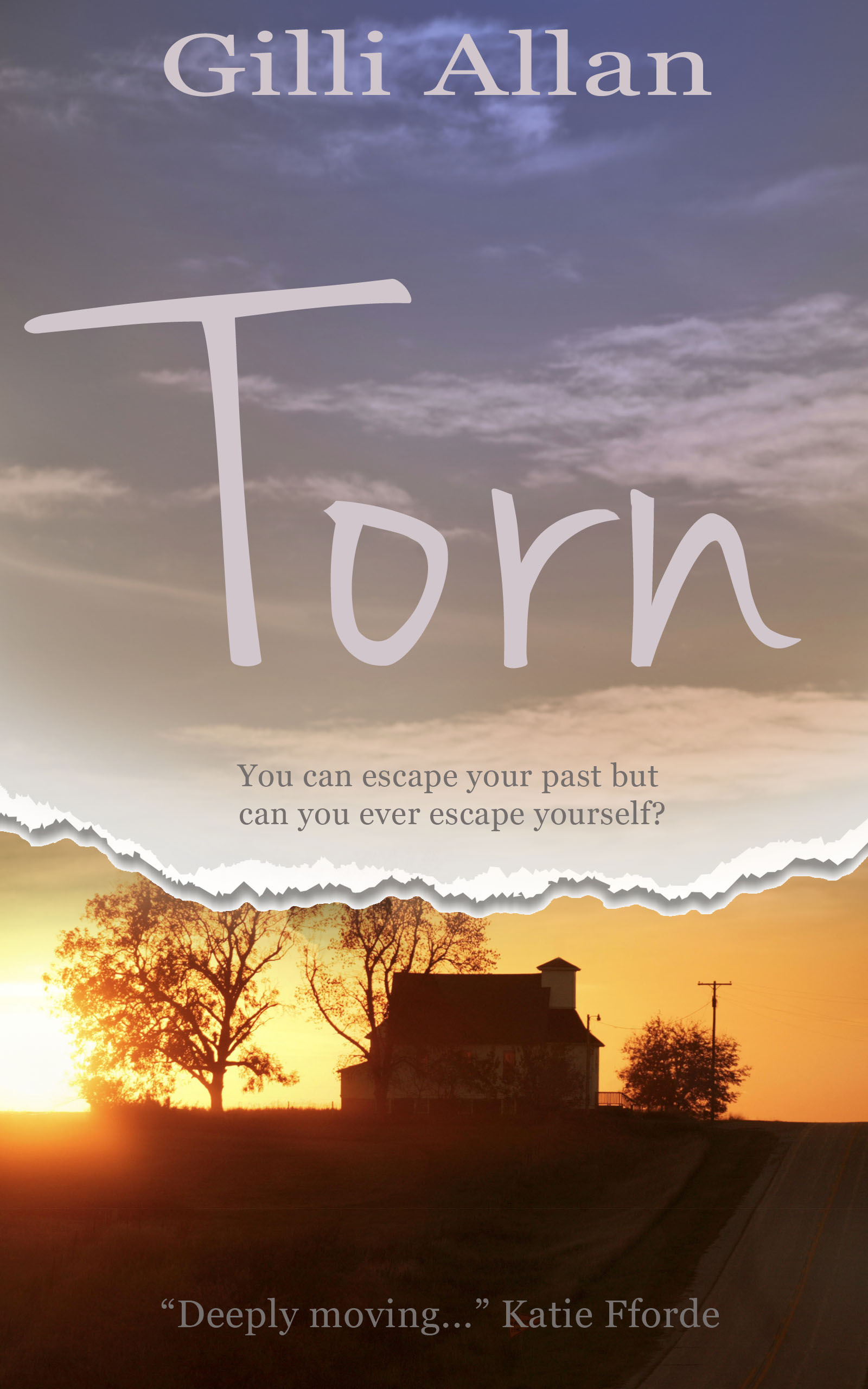
G Allen Torn

So writing a story is more like a process of discovery – uncovering something that already exists – a slow and painstaking unearthing of detail that does not immediately make sense. And, once found, the story has its own trajectory which, ultimately, cannot be moulded and pushed in a prescribed direction.  Even the final destination is not necessarily what or where I expect. I have said this before, but it’s worth saying again. I didn’t know how TORN was going to resolve until I was within 2 chapters of the end. I hope it keeps the story fresh and the reader guessing.

So far, it has always felt like a kind of magic. What will I do if the magic doesn’t happen next time?

***

Gilli Allen

Biography

Gilli Allan started to write in childhood, a hobby only abandoned when real life supplanted the fiction. Gilli didn’t go to Oxford or Cambridge but, after just enough exam passes to squeak in, she attended Croydon Art College.

She didn’t work on any of the broadsheets, in publishing or television. Instead she was a shop assistant, a beauty consultant and a barmaid before landing her dream job as an illustrator in advertising. It was only when she was at home with her young son that Gilli began writing seriously. Her first two novels were quickly published but when her publisher ceased to trade, Gilli went independent.

Over the years, Gilli has been a school governor, a contributor to local newspapers, and a driving force behind the community shop in her Gloucestershire village. Still a keen artist, she designs Christmas cards and has begun book illustration. Gilli is particularly delighted to have recently gained a new mainstream publisher – Accent Press. TORN is the first book to be published in the three book deal.

Links

myBook.to/gilliallansTORN (universal link)

http://www.amazon.co.uk/Torn-Gilli-Allan-ebook/dp/B00R1FQ1QE/)

Paperback link

http://www.amazon.co.uk/Torn-Gilli-Allan/dp/1783756918/

Connect to Gilli

http://twitter.com/gilliallan (@gilliallan)

https://www.facebook.com/GilliAllan.AUTHOR

http://gilliallan.blogspot.co.uk/


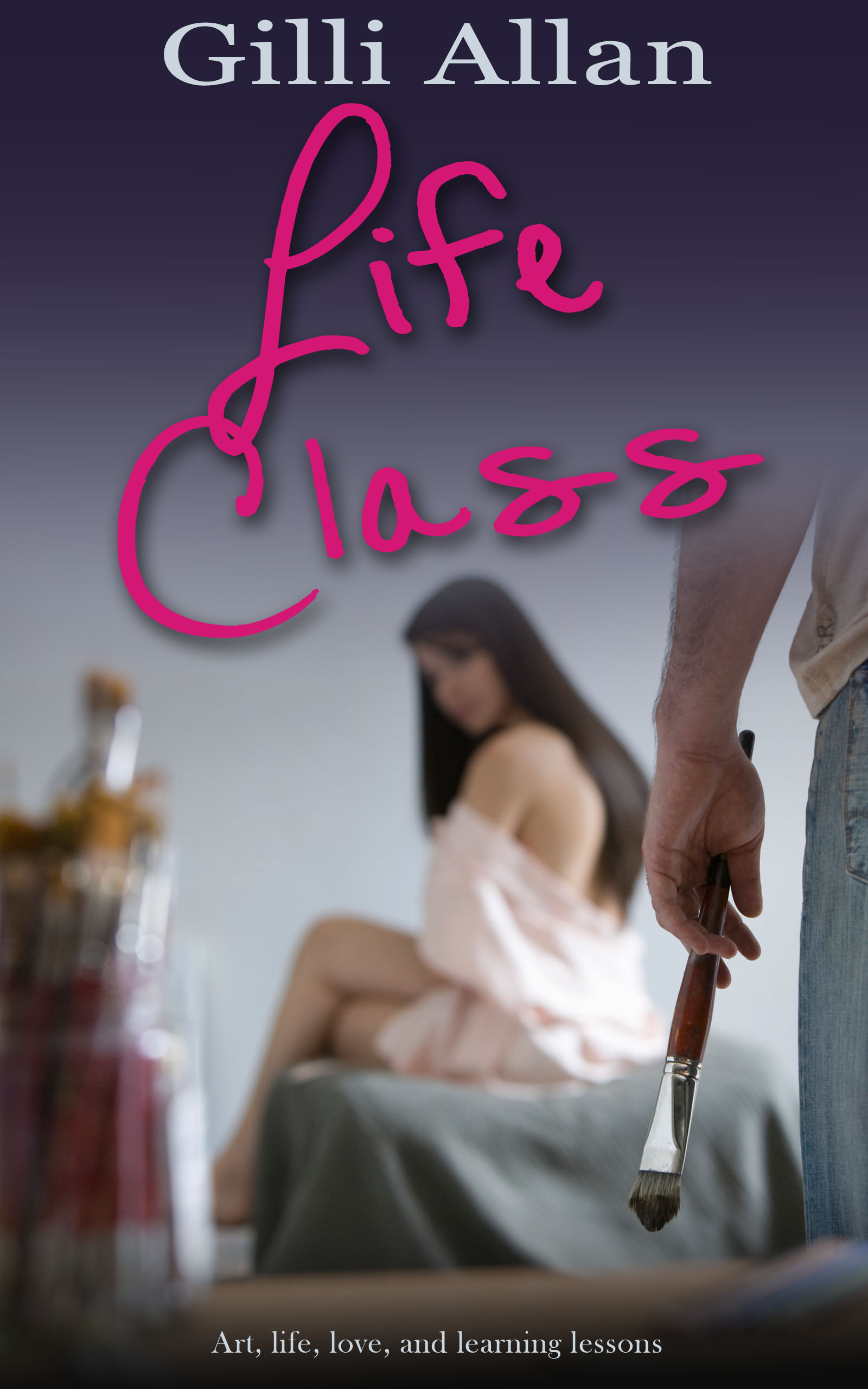
Life Class- Coming Soon from Gilli Allen

Life Class- Coming Soon from Gilli Allen

Thank you ever so much Gilli- what a fabulous blog. I am always in awe of anyone who can draw and paint. Bless you for sharing your Christmas cards with us!

I too am always worrying about the magic running out- scary stuff!

Happy reading everyone,

Jenny x

Guest Post from Jenny Harper: A writer’s path is littered with obstacles

I’m pleased to welcome fellow author, Jenny Harper, to my site today, with an excellent blog about the perils of being a writer.

Over to you Jenny…

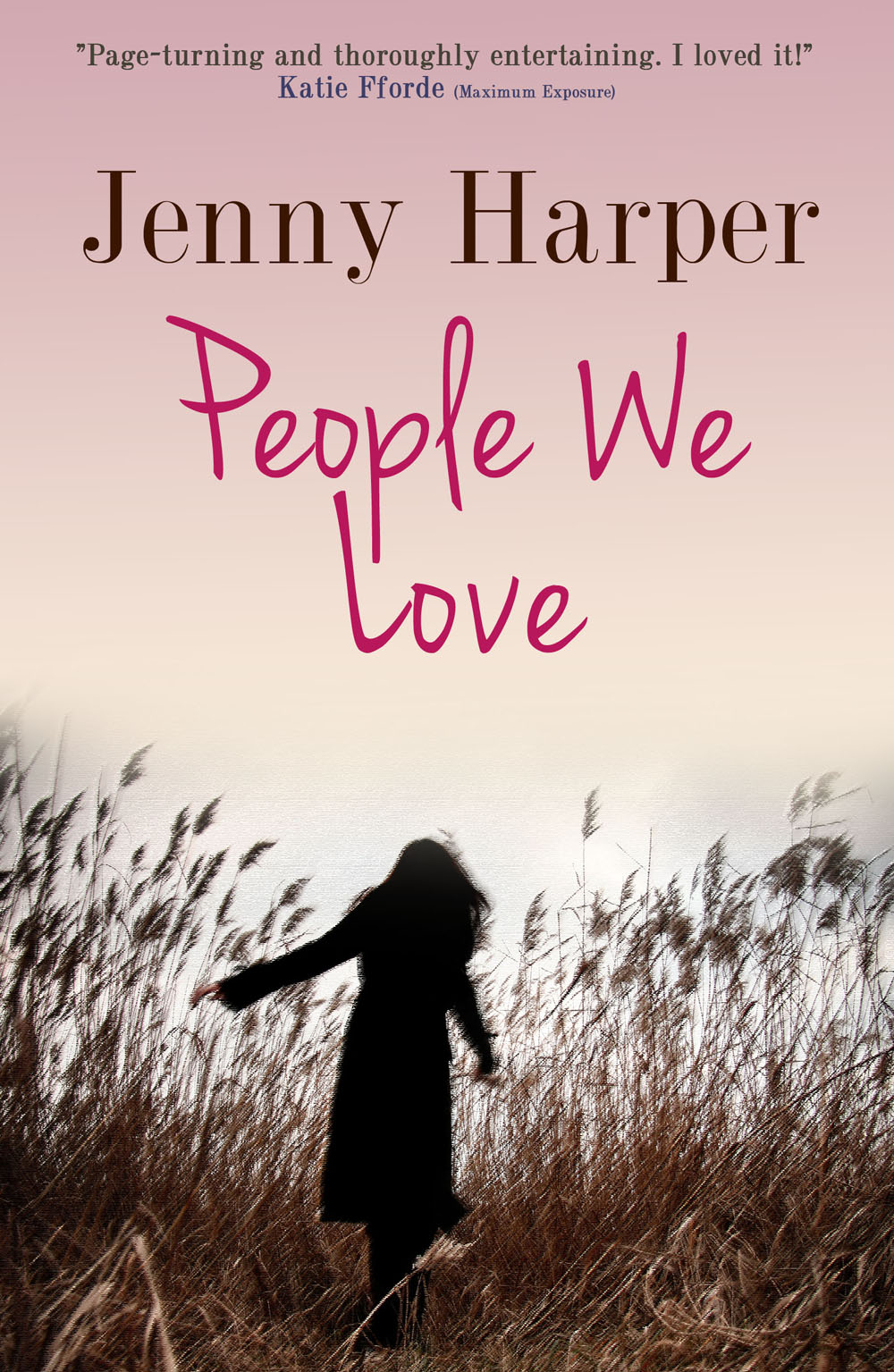
Jenny Harper PWL_FC

A writer’s path is littered with obstacles

Have you ever gone on a writing course? Read a book about plots, characterisation or dialogue? Done a degree in Creative Writing?

I have. I’ve done all of those things, except the last one – but my first degree was in English Literature, and it put me off creative writing for decades. I knew I could never be Tolstoy or Dickens, or even Monica Dickens, come to that. And all that close analysis of texts made me so self conscious about structure, words, imagery, metaphor and the rest that I was like a rabbit staring into headlights – frozen.

So I wandered through a career in publishing (I was a non fiction editor for Collins and Cassells), magazine editing, journalism and finally corporate publishing (I produced magazines and newspapers for corporate giants such as BP, Total, Clydesdale Bank, Bank of Scotland and a number of insurance companies, as well as local authorities and government departments). Only when retirement was looming did I finally pluck up the courage to look at creative writing again.

After floundering around a bit with scraps of ideas and miserable efforts to ‘write a novel’ (everyone can write, right?), I spotted a course that sounded just great. It was in a castle in the Scottish Highlands. The tutor was best-selling novelist Anita Burgh, and I could use a week away from work.

So I went on the course and became a novelist, didn’t I?

Wrong.

I certainly learnt a lot, met new friends (including author Jo Thomas whose career has just gone stellar), and had a great time – but all I learned was how much I didn’t know.

I went on more courses, including a wonderful week in Corfu with Katie Fforde and a week in the fabulous Chez Castillon in France with Veronica Henry.

I read books on writing.

I became increasingly confused.

After all, celebrities seem to be able to knock out a best seller the first time they set pen to paper, so why couldn’t I?

I became bogged down in scene lists, three-act structures, beats, conflict, points of view, themes – all the technical bits and pieces that underpin a novel.

Finally, I learned that it takes most novelists an average of nine novels before they find a publisher. I threw the lot away. I listened to my inner voice and simply wrote. All the advice and lessons I had had over the years must have sunk in, because the things I had found so hard began to flow naturally. I gained confidence. I drew on the support of fellow writers. I joined a lot of social networks. I networked in the real world. I became a writer!

Here are my top tips for anyone on a similar journey:

1)    Tell the story you want to tell (and make sure you know which character’s story it is).

2)    Focus, by asking yourself what your story is really about ­(not a synopsis of the plot). Try to capture it one word, then in two sentences.

3)    Dig deeper. Get right inside your characters.

4)    Persevere.

5)    Don’t be afraid to get help – from writing buddies, mentors, beta readers or editorial agencies.

And finally – please tell me I’m not the only one who has been on this journey!

Jenny CC 2 web

Bio:

I live in Edinburgh, Scotland, but I was born in India and grew up in England. I’ve been a non-fiction editor, a journalist and a businesswoman and I’ve written a children’s novel and several books about Scotland. Nowadays I write contemporary women’s fiction with bite – complex characters facing serious issues.

Face the Wind and Fly is about a woman wind farm engineer with a marriage in trouble and a controversial project to handle. 

Loving Susie is about a female politician with a complicated family history and at odds with the world.

Maximum Exposure, is about a newspaper photographer with job to save and some growing up to do.

My latest novel People We Love is about an artist who is struggling to support her family after her brother’s death. She needs friends, and reasons to be happy, and her journey is a strange one.

Links:
People We Love UK: http://amzn.to/1CUmBTV
Maximum Exposure UK: http://amzn.to/1vRUqRD
Loving Susie UK: http://amzn.to/1qfSorq
Face the Wind and Fly UK: http://amzn.to/1xf3IJf

***

Thanks ever so much for such a great blog Jenny. My writing journey has also been littered with potholes, fits, and starts! I’ve never done a creative writing course either- I’ve always been wary of them- they always seem to add pressure rather than make you feel more capable- or maybe that is just me!!

Happy reading everyone,

Jenny xx

CLIC Charity Sargent Get in Character Auction- Bid to name one of my characters!

Get In Character

I am delighted to announce that I have been asked to donate one of the characters from my forthcoming novel- Abi’s House– to the CLIC Sargent charity auction.

And what company I’m in!! Katie Fforde, Lisa Jewell, Milly Johnson, Rovbrt Thorogood, Lee Child and many more!!

So for your chance to pick a name for the characters in some amazing books- just check out the information below…

CLIC logo

BE A NAMED CHARACTER IN MY NEXT NOVEL

As part of CLIC Sargent’s yearly eBay Get in Character auction, I’ll be offering the highest bidder the chance to appear as a named character in a forthcoming novel along with 60 other best-selling authors.

We’re all taking part to help raise vital funds for children and young people with cancer so please get bidding from 8pm 26th Feb! http://ow.ly/IoQdC

***

Abi's House_edited-1

Good luck- happy bidding!!

Jenny xx


New Novel Stage 3- End of Part One

Any of you who’ve read Another Cup of Coffee will know, I split the first novel in the Another Cup of… series into monthly sections.

Inside Another Cup of Coffee


Another Glass of Champagne will also follow this format- this time over three summer months- June, July and August.

This week I finished writing the action that takes place in June- and therefore I’ve now drafted the first part of my novel! And let me tell you- June for the Pickwicks guys has been one eventful month!

“Oh Jack!! How could you?… “

Now “June” is over- on paper at least-that means I’ve now written a third of my novel! Yeah!! 35k down- approx. 60k to go!!

I’ll be off to hit “July” then…

Another Glass of Champagne_edited-1

Happy reading,

Jenny xx


Guest Post from Lisa Tenzin-Dolma – Lainey’s Lot

Happy Valentine’s Day!!

I have another fantastic guest visiting today. I am delighted to welcome Lisa Tenzin-Dolma (a.k.a Lisa Ryan), to talk about her YA book, Lainey’s Lot.

Over to you Lisa…

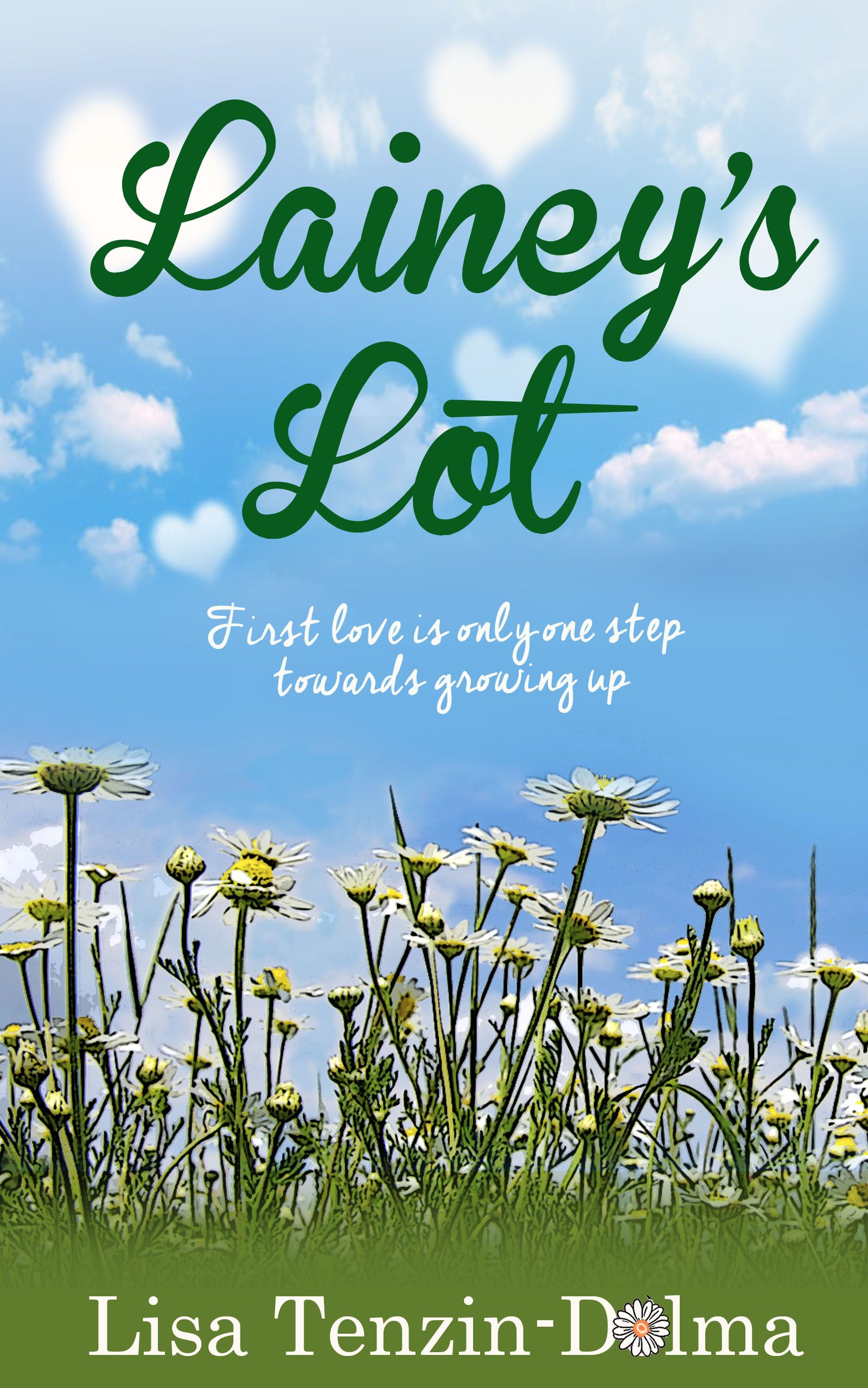
Lisa-Lainey cover

Thanks very much for inviting me as a guest on your blog, Jenny!

Last autumn Accent Press published my Young Adult book, Lainey’s Lot, on Kindle and in paperback. The Swan Lake, under my contemporary women’s fiction name, Lisa Ryan, has just been published by Accent on Kindle and is about to come out in paperback. Both books were a lot of fun to write, though the styles are very different.

In Lainey’s Lot the central character, Lainey Morgan, is a fourteen year old girl whose life is turned upside down at the worst possible time. She’s just met Kieran, the Boy of her Dreams, and is diving deep into the exhilarating waters of first love in Bath, Somerset, when her eccentric mother decides to up sticks and take Lainey to live in an isolated commune in deepest Nottinghamshire. Lainey has a truly horrible time there, and her trials and tribulations are intensified when Kieran’s band wins a TV talent show and he suddenly becomes famous. The story follows the ups and downs of their relationship under the spotlight of the paparazzi, further undermined by the vindictive Dorm Demons, the young people in the commune. Lainey’s lot is not an easy one, but I really enjoyed shifting into her sparky character while I was writing the book.

My daughter, Amber, was a teenager when I first started writing Lainey’s Lot, and although I have to say, hand on heart, that Lainey is not modelled on her (and I’m definitely not like Lainey’s mother, thank goodness!), Amber reminded me of how it felt to be a teenager – the sheer emotional intensity, the agonising insecurity and uncertainty that comes with groping blindly through the uncharted territory of burgeoning hormones, first love, friendships and betrayal, and that feeling of powerlessness when subjected to the unwise decisions of adults. It was very easy to revisit how I felt at that age and see how Lainey’s character would negotiate the challenges in her life.

The Swan Lake cover Lisa Ryan

The Swan Lake begins in England but is set in County Clare, Ireland. The landscape and the lake in the story are loosely based on the area in East Clare where I lived for 18 months; a magical place that was steeped in myths, legends and superstition. Astarte Weaver, the central character, has spent all her life seeking security after growing up reluctantly roaming the world with her hippy parents, Rainbow and Leaf. As the story opens she thinks she has the life she always dreamed of, but the abrupt ending to her long-term relationship prompts her to take a vow to never have another relationship and to start afresh in a new place. She moves to Ireland, buys a pile of stones, formerly a cottage, and rebuilds this with the help of Flynn, the attractive local builder. To his chagrin, Astarte views Flynn solely as a working partner, and tongues start wagging when Eden, a rock star in the throes of a nervous breakdown, returns home to the Swan Lake and Astarte helps him through the recovery period.

As Astarte settles into her new home she becomes deeply involved in the small, close-knit community. Flynn and Eden; John and Siobhan, the estate agent and his wife; Seamus and Mairie, pensioners who are determined to carry on the neighbourly war that has carried on between their families for five generations; Ned, her closest neighbour, who hates incomers and tries to drive Astarte away; and Jamie and Sinead, teenagers in the throes of first love. When tragedy strikes the community and drives a wedge between old friends, Astarte is forced to confront the demons of her past and find a new way to live her life.

Although none of the characters are based on real people, the story emerged from a boozy evening with a friend who was an Intensive Care nurse. We were playing a “What if?” game in which she, a city person, moved to the depths of the country. I woke the next morning with a slight hangover and the entire story in my mind, and couldn’t stop writing until it was all on paper. Ireland holds a special place in my heart, and it was a joy to set the story there.

****

Amazon link to Lainey’s Lot: http://www.amazon.co.uk/Laineys-Lot-Lisa-Tenzin-Dolma/dp/1783753528/ref=sr_1_11?s=books&ie=UTF8&qid=1422638241&sr=1-11&keywords=lisa+tenzin-dolma

Amazon link to The Swan Lake: http://www.amazon.co.uk/Swan-Lake-Lisa-Ryan-ebook/dp/B00SLD5BMU/ref=sr_1_1_twi_1?s=books&ie=UTF8&qid=1422638320&sr=1-1&keywords=lisa+ryan

Lisa Charlie Skye by Kerry

Facebook page for The Swan Lake: https://www.facebook.com/TheSwanLakeBook

Lisa’s website: http://www.tenzindolma.co.uk

Author bio: Lisa Tenzin-Dolma has had 22 books published, fiction and non-fiction, about a variety of subjects. She’s also a qualified canine psychologist and is principal of The International School for Canine Practitioners.

***

Many thanks for a lovely blog Lisa,

Happy reading everyone,

Jenny x


Guest Post by Tom Williams: “Oh I Never Read Historical Novels…”

I have an excellent blog for you today from my fellow Accent author, Tom Williams.

Over to you Tom…

I write historical novels. So, I hate it when people say “Oh, I never read Historical Novels.” Why not? “Because they are all too romantic.” But I don’t write Historical Romance. No matter: the conversation has moved on.

Or perhaps they don’t read Historical Novels because they’re not interested in the Tudors, or knights in armour? But my stories are set in the 19th century. It makes no difference: they don’t read Historical Novels and that’s that.

TW1

It’s annoying, but don’t we all have these gaps in our reading experience? For me, it’s Historical Romance. I can’t face it. I’ve tried – I’ve really tried, but I just can’t make it through to the end. She notices his well-turned calf, the sweat glistens on the muscles of his arm or her heart beats at the thought of his tender yet manly kiss and I give in and read no further. And the awful thing is that the author may not even have used any of these clichés, but there’s something about this particular genre that has me imagining them whether or not they are there on page. I admitted this in public and was taken to task by a Historical Romance writer who pointed out that her stories are well researched, nicely written and featured often quite complex characters in interesting social situations. She was right and I’m wrong. I am going to give her books another go, but I suspect that, once again, I will give up.

Why do we all have genres that we just don’t read? The obvious suggestion is that it has something to do with “books for men” and “books for women”. In my case, though, this is far from being the case – I love contemporary Chick Lit. I’ve even been known to tackle a book by that Jenny Kane. Perhaps it’s the background to the stories? But I write historical novels myself and I read other people’s historical novels set in all sorts of periods. So why this mental block with Historical Romance?

The problem does seem to be with the genre and not the book. This is particularly clear with people who sniffily announce that they would never read, for example, Harry Potter because “I don’t read books for children.” Publishers responded by putting an “adult” cover on the Harry Potter series and, lo and behold! adults were suddenly happy to read them. The same result can be achieved more subtly: my wife, for example, doesn’t read Science Fiction, unless “it’s someone like Ursula Le Guin, who’s writing really good books – not really just Science Fiction.” Well, yes, Lord Copper – up to a point. What, I think, the most honest of us will eventually decide is that if the book is a “good” book but placed in a genre that we don’t read, will simply reclassify it. So Bridget Jones is not Chick Lit, it’s Social Comedy; John Grisham doesn’t write rubbishy Crime Stories, he writes the altogether superior Legal Thrillers.

Part of the reason that we are so strict about what genres we will and won’t allow ourselves to enjoy is, I think, that the books that we will admit to reading – proudly displayed on our bookshelves, unlike that rubbishy thing consigned to the bedside table – say something about us. In a world where mass entertainment is, arguably, increasingly democratised, books are still one of the great class markers. I have a friend who runs an online group where people can discuss their reading matter. Apparently all these people read massively more James Joyce, Chekhov,  Peter Ackroyd, HE Bates, Guy De Maupassant, and Albert Camus than they do Agatha Christie or Dan Brown. (I swear I’m not making this up and nor are members of the group all graduates from an English Department.) Admitting to liking a particular genre makes you a member of a particular club. The genre is far more important than the book. We see the same applied to individual writers. “Oh Dickens is such a wonderful author.” Well, many of his books certainly are fine examples of English literature. It doesn’t take a particularly critical reader, though, to see that some of them are definitely better than others. But to explain that you consider this or that book to be deserving of critical approval and another one to show signs of having been written to a deadline on a bad day, calls for more discussion and analysis than we can tolerate when deciding whether people do or don’t fit into our social group. What we want in social markers is a straightforward way of deciding whether we are in or out of the Magic Circle of social acceptability.

As an author, Jenny provides an interesting (and surprisingly common) example of the importance of keeping our genres separate. Jenny Kane writes Contemporary Romance – Chick Lit if you will – where we follow a young woman through the unfolding of her relationship until we reach, hopefully, a happy conclusion. But Jenny has a dark side. She also writes about young women whose romantic journey is accompanied by whips and chains and practices that we do not discuss in polite society. So important is it to keep these two genres completely separate that she produces the more lively novels under a different name. Mills and Boon, faced with the same problem, put their – actually rather well-written – erotica under a completely different imprint. After all, when my maiden aunt tells me that she really enjoys Mills and Boon, it’s important that I know exactly what sort of Mills and Boon she is into.

I suspect, then, that this is at least part of the answer of why we will respond warmly to some genres and reject others out of hand. Like so many things in England, it’s a matter of class. And now I am aware of that, I hope that I will try to restrain my prejudices. If I’m faced with a Historical Romance in which credible characters form realistic relationships against an authentic historical background, I will persevere. I might even come to love it. Perhaps we should all try to read things outside the genres that we are comfortable to say that we like. Reading, after all, should be about broadening the mind. So let’s try to broaden our own minds.

Perhaps I should try something by that Kay Jaybee

***

Tom Williams

Bio:

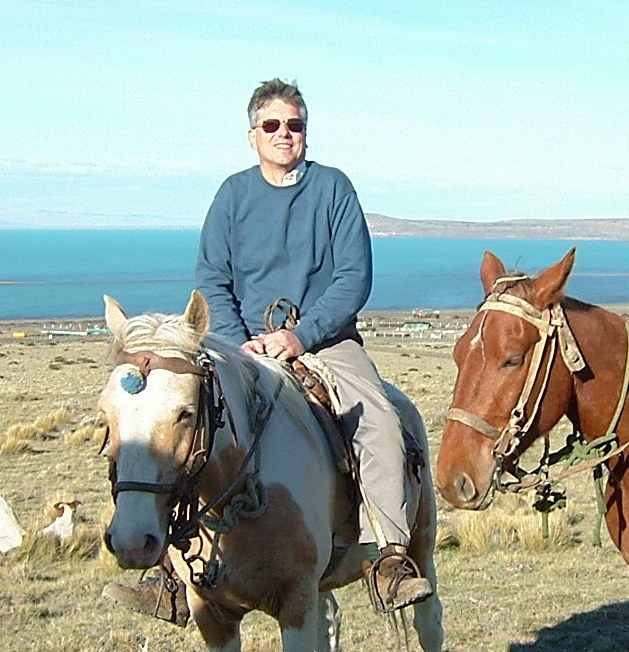
Have you ever noticed how many authors are described as ‘reclusive’? I have a lot of sympathy for them. My feeling is that authors generally like to hide at home with their laptops or their quill pens and write stuff. If they enjoyed being in the public eye, they’d be stand-up comics or pop stars. Nowadays, though, writers are told that their audiences want to be able to relate to them as people. I’m not entirely sure about that. If you knew me, you might not want to relate to me at all. But here in hyperspace I apparently have to tell you that I’m young and good looking and live somewhere exciting with a beautiful partner, a son who is a brain surgeon and a daughter who is a swimwear model. Then you’ll buy my book.

Unfortunately, that’s not quite true. I’m older than you can possibly imagine. (Certainly older than I ever imagined until I suddenly woke up and realised that age had snuck up on me.) I live in Richmond, which is nice and on the outskirts of London which is a truly amazing city to live in. My wife is beautiful but, more importantly, she’s a lawyer, which is handy because a household with a writer in it always needs someone who can earn decent money. My son has left home and we never got round to the daughter.

I street skate and ski and can dance a mean Argentine tango. I’ve spent a lot of my life writing about very dull things for money (unless you’re in Customer Care, in which case ‘Dealing With Customer Complaints’ is really, really interesting). Now I’m writing for fun. If you all buy my books, I’ll be able to finish the next ones and I’ll never have to work for the insurance industry again and that will be a good thing, yes? So you’ll not only get to read a brilliant novel but your karmic balance will move rapidly into credit.

Can I go back to being reclusive now?

***

Many thanks Tom- what a fantastic blog! If you do try some of that Jaybees work, make sure you have a cool drink to hand…

You can find Tom’s latest novel, here-

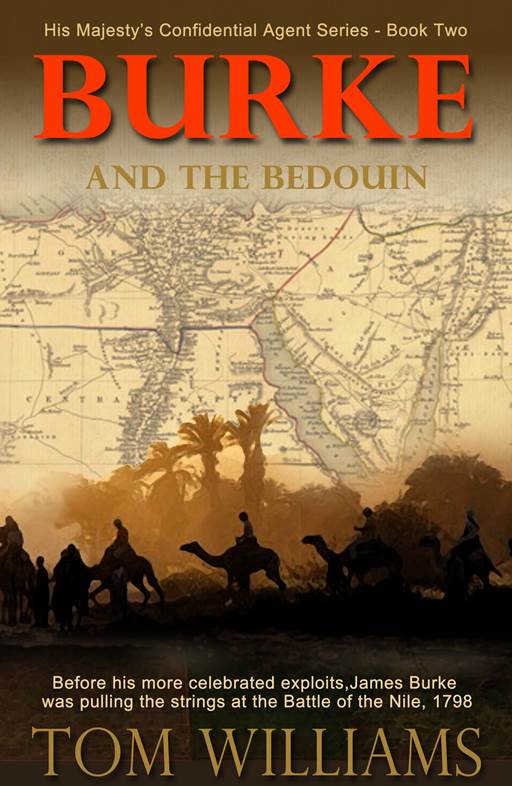
http://www.amazon.co.uk/Burke-Bedouin-Majestys-Confidential-Agent-ebook/dp/B00OIYY8U2  http://www.amazon.com/Burke-Bedouin-Majestys-Confidential-Agent-ebook/dp/B00OIYY8U2.

Happy reading,

Jenny xx

Guest Post from Sophie Croft: Indigo’s Dragon

I’m pleased to welcome another first time blogger to my site today! The wonderful Sophie Croft is here to tell us about her debut novel, Indigo’s Dragon.

Over to you Sophie…

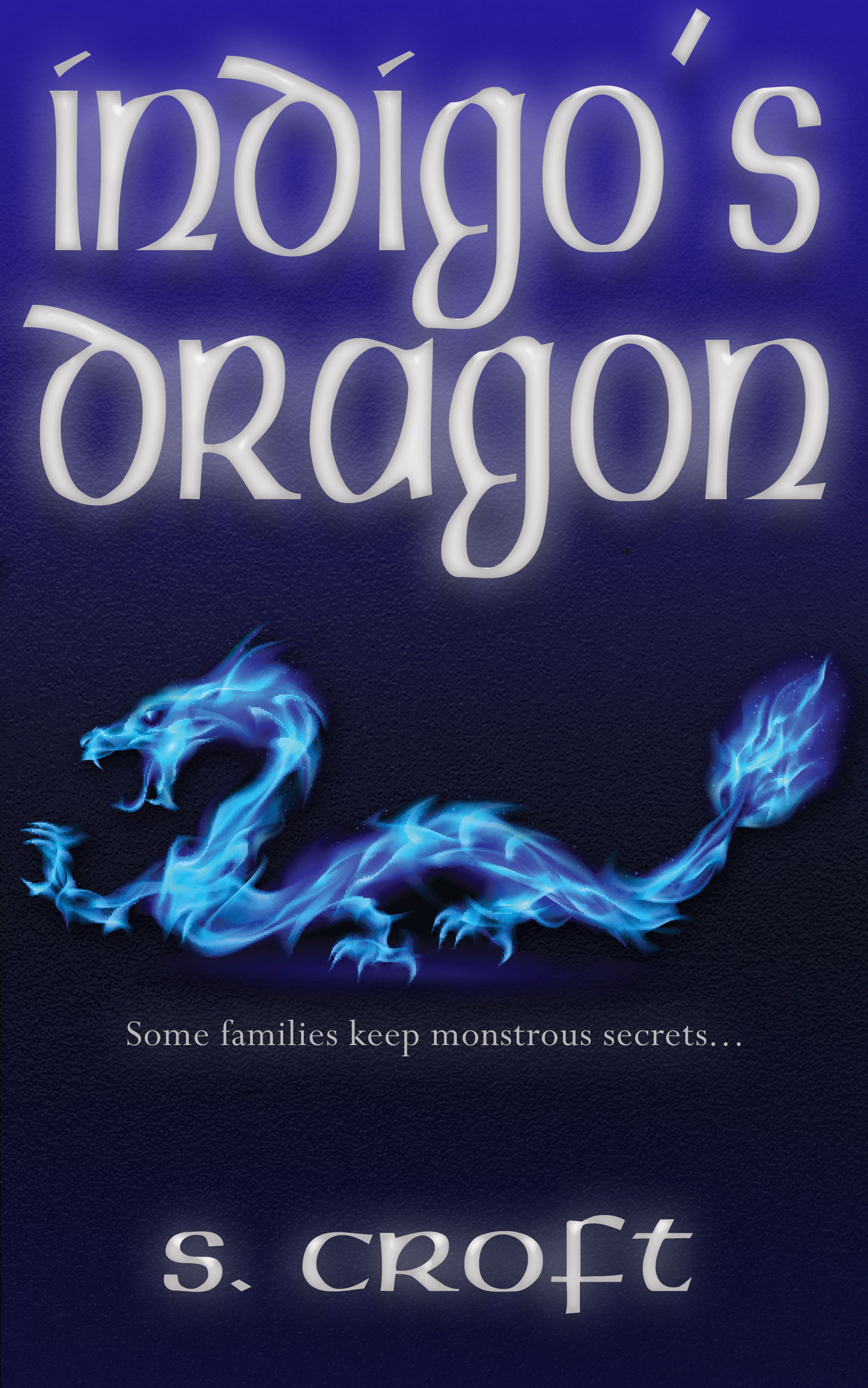
Indigo Dragon

Thank you, Jenny, for hosting my first ever blog. I am delighted to be here, talking about my debut novel Indigo’s Dragon.

I thought I would start by answering the five questions I have most frequently been asked since the publication of Indigo’s Dragon.

What age range is the book for?

I don’t like this question! When asked it, I generally do one of two things:

  1. Plunge into a ramble about the evils of the age banding of books (I just did, and had to delete it before it filled the whole of my first blog with that one topic).
  2. Say ‘around 9-14’, and then suggest the book might be enjoyed by both younger and older readers too. After all, I think people of all ages can appreciate the delights of getting lost in a fantasy adventure with a few dragons and monsters …

What’s the book about?

Monsters, dragons … a boy called Indigo who goes on a journey and discovers some truths about his family that change him forever.

What inspired you to write it?

Lots of different things. In particular …

  • Fairy tales. Especially Polish ones, and especially the Dragon of Krakow.
  • Walking with my children in the beautiful valley in the Lake District where we live; telling stories along the way, finding evidence of monsters, and dragon lairs.
  • My son’s love of even the most deadly creatures. For example, on reading about the cockatrice and its death darting gaze, he said it was ‘cute’ and that he would like one as a pet.

How do you find the time to write?

It is difficult. I have two young children who I home educate, and I also work from home as a tutor. Basically, I write whenever I can! I take ten minutes here … an hour there. Some of the early drafts of Indigo were written in pencil, in a notebook, by the side of the river while my children splashed in the water. I write when the children are playing contentedly, when they are watching a movie, or sleeping. Some days I get nothing done, other days I do. But I keep trying, because I love to write.

A Lake District dragon, hiding in one of my favourite writing spots.

(I must credit www.seenicksphotography.co.uk for this beautiful photograph)

How did you get published?

I sent Indigo’s Dragon to three carefully selected agents listed in the Writers and Artists Yearbook. Although one of them had some very positive feedback, they all eventually said something along the lines of ‘after careful consideration we are not able to offer you representation’. By the time the third rejection arrived I was already deeply involved in writing another book, and I shelved Indigo and almost forgot about it.

Then I heard Accent Press were starting a brand new YA imprint (YA Café) so I sent Indigo off, and a few days later I received a wonderful e-mail which began ‘Hi Sophie, I’ve read Indigo’s Dragon and I really enjoyed it!’

***

Having answered the questions I am most frequently asked, I would like to finish off by answering five questions I would much rather be asked:

Do you believe in dragons and monsters?

Yes, absolutely. Don’t you? Scientists estimate that over 80% of species are still undiscovered, and that is just on this planet …

Have you ever seen a dragon or a monster?

I saw them more often when I was younger, and my children see them more than me.

Are there many dragons in the Lake District?

Yes, several, although there are more in the Polish mountains.

Doesn’t the world have enough stories about dragons?

No. There can never be enough stories about dragons.

What are you writing now?

The third Indigo book. I finished writing the sequel, Indigo’s Demons, just before Christmas (hopefully it will also be published soon!) and have just started a third book, which might be called Indigo’s Ocean or Indigo’s Depths and will contain a sea monster or two. Writing it is proving to be a great way to relive some of the scuba dives I did in my youth. And on that note, I shall get back to work …

Indigo’s Dragon Synopsis:

Fans of How to Train your Dragon, Harry Potter, and Percy Jackson will love the debut novel Indigo’s Dragon, a tale of adventure, mystery, and a legendary trip where he encounters a monster or two …  Indigo lives in the Lake District, and spends his time exploring the mountains he loves. An unexpected parcel arrives containing a first aid kit inside his grandfather’s satchel. Indigo’s curiosity is raised as he looks through his grandfather’s notebook to discover drawings of mythical creatures.  Strange things begin to happen and Indigo finds himself treating an injured magpie-cat, curing a cockatrice of its death-darting gaze, and defending a dragon. Indigo realises he must uncover the secrets his family have kept hidden, and travels alone to the Polish mountains to search for his grandfather and the truth.  Danger looms as events spiral out of control, and Indigo needs to make choices that change him, his world, and his future forever…

 Sophie Croft

Sophie Croft’s Biography:

  1. Croft was born in Swansea, and spent much of her youth exploring the beaches on the Gower peninsula, looking for evidence of sea monsters.  At Liverpool University she studied prehistoric monsters, amongst other things, and learned to Scuba Dive (so she could continue searching for sea monsters under the waves).  She worked as a Geologist (investigating underground monsters), before becoming a Science Teacher (to seek out and educate young monsters).  She now lives in the Lake District with her family, where she walks the fells and canoes the lakes, searching for monsters and other wildlife.

Links:

Indigo’s Dragon on Amazon:

http://www.amazon.co.uk/Indigos-Dragon-S-Croft-ebook/dp/B00PG0JZWI/ref=sr_1_1?ie=UTF8&qid=1415789684&sr=8-1&keywords=indigos+dragon

Sophie Croft on Facebook:

https://www.facebook.com/Author.S.Croft

Sophie Croft on Pinterest:

http://www.pinterest.com/0ecqplpit8red42/

//www.pinterest.com/0ecqplpit8red42/

****

Many thanks Sophie- what a fantastic blog! I firmly believe in dragons!

Happy reading,

Jenny xx
Page 23 of 27

Powered by WordPress & Theme by Anders Norén